

 Travel Essentials
 Travel Essentials

Explore Dhaka beyond tourist attractions by connecting with locals, sampling authentic cuisine, and navigating cultural neighborhoods with genuine cultural immersion.
 Travel Essentials
Dhaka, the capital of Bangladesh, presents a paradox for visitors: it is simultaneously overwhelming and captivating, chaotic yet deeply welcoming. The city’s densely packed streets, teeming with millions of residents, can feel disorienting to first-time travelers, yet this same vitality pulses with authentic cultural experiences unavailable in more sanitized tourist destinations. To truly understand Dhaka requires moving beyond guidebook recommendations and scheduled attractions, instead embracing the rhythms that govern the daily lives of its residents. This approach transforms a visit from a series of checkboxes into a genuine cultural dialogue.
The foundation of experiencing Dhaka authentically begins with understanding how locals navigate and perceive their city. Residents of Dhaka have developed sophisticated coping mechanisms for managing urban density, traffic congestion, and limited resources. What might appear chaotic to outsiders operates according to unwritten codes and social norms deeply embedded in Bangladeshi culture. Locals demonstrate remarkable patience, humor, and resourcefulness in addressing daily challenges.
When interacting with Dhaka residents, authenticity emerges through genuine curiosity rather than performative interest. Asking thoughtful questions about how people spend their time, what neighborhoods they prefer, and which establishments they frequent yields far richer insights than consulting tourist reviews. Many locals take genuine pleasure in sharing their city with visitors who demonstrate sincere respect for Bangladeshi culture and traditions.
Rather than confining yourself to predetermined tourist zones, authentic Dhaka discovery involves selecting neighborhoods that reflect different facets of city life:
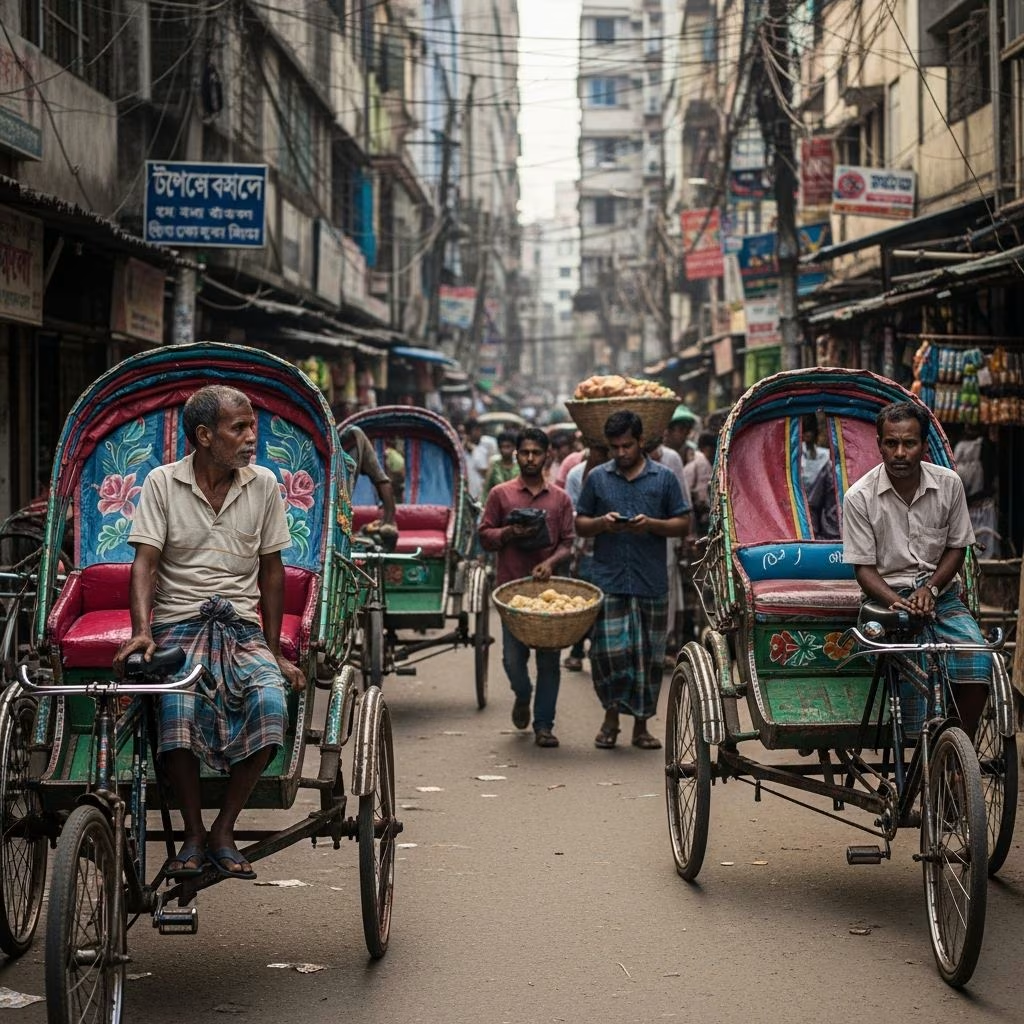
How you move through Dhaka shapes your entire experience of the city. Rather than isolating yourself in air-conditioned taxis or ride-sharing vehicles, utilizing local transportation methods connects you directly with millions of residents engaged in daily commutes. Rickshaws, the three-wheeled auto-rickshaws that dominate city streets, operate as mobile windows into local life. Rickshaw journeys involve negotiating fares, interacting with drivers who often possess encyclopedic knowledge of city neighborhoods, and experiencing traffic patterns that define Dhaka’s temporal rhythms.
Public buses, though challenging for first-time users, offer unparalleled proximity to genuine urban experience. The choreography of boarding crowded buses, finding unexpected pockets of space, and observing how passengers interact reveals social hierarchies, generational attitudes, and community values. Many locals navigate buses with remarkable efficiency, and observing their techniques demystifies what initially appears impossibly crowded.
Walking, despite Dhaka’s congestion, provides irreplaceable neighborhood intimacy. Street-level perspectives reveal shop fronts, street vendors, informal economies, and everyday interactions invisible from vehicle windows. Walking also establishes you as a participant rather than observer, increasing opportunities for spontaneous conversations and discoveries.
Authentic Dhaka gastronomy exists primarily in spaces catering to local palates rather than international expectations. Street food vendors operating from modest stalls prepare dishes refined through generations of family recipes and customer feedback. Sampling items like pani puri, jhalokha, and various regional specialties from established vendors provides nutritional sustenance alongside cultural education.
Local restaurants, often family-operated establishments without English signage or online presence, prepare meals reflecting authentic regional cuisines from across Bangladesh. These spaces attract workers, students, families, and community members during specific meal hours, creating social environments where food consumption involves genuine interaction rather than transactional exchange. Sitting in such establishments, you witness how locals socialize, negotiate prices, and engage with proprietors they’ve known for years.
| Food Experience Type | Authenticity Level | Cultural Insight | Physical Comfort |
|---|---|---|---|
| Street vendor specialties | Very High | Traditional recipes, local preferences | Standing or minimal seating |
| Family-run restaurants | High | Regional diversity, social patterns | Basic but functional |
| University area cafeterias | High | Youth culture, contemporary trends | Casual dining environment |
| Market-adjacent eateries | High | Commercial dynamics, vendor culture | Informal, often crowded |
| Upscale local restaurants | Moderate | Middle-class preferences, hospitality standards | Comfortable, organized |
Universities and cultural centers in Dhaka serve functions extending far beyond their primary missions. These institutions operate as community hubs where intellectual discourse, artistic expression, and social development intersect. Visiting university campuses during academic hours reveals where younger generations formulate ideas about Bangladesh’s future, discuss contemporary challenges, and balance traditional values with modern influences.
Cultural centers, libraries, and arts venues host exhibitions, performances, and discussions reflecting current artistic movements and intellectual concerns. These spaces welcome visitors interested in genuine cultural engagement, offering opportunities to encounter creative expressions shaped by Bangladeshi contexts rather than designed for international consumption.
Educational institutions also facilitate connections with students and faculty willing to share perspectives on city life, national development, and personal experiences. Such conversations provide nuanced understanding of how Bangladeshis navigate contemporary challenges and envision future possibilities.
Dhaka’s temporal dynamics profoundly affect which experiences you access and how those experiences unfold. Early morning hours reveal neighborhoods before commercial activity accelerates, offering quieter spaces for reflection and observation. Many residents begin days with routines involving exercise, prayer, or market visits, and participating in these early hours connects you with foundational daily patterns.
Midday periods, characterized by intense heat and business activity, represent peak commercial functioning when vendors establish stalls, offices reach maximum occupancy, and transactional energy dominates public spaces. Evening hours bring residential populations outdoors, creating social opportunities as families, friends, and neighbors gather in open spaces.
Understanding how different neighborhoods function across various times maximizes your ability to encounter diverse Dhaka experiences. A neighborhood’s character differs dramatically between morning, midday, and evening presentations.
Authentic Dhaka experience culminates in connections with actual residents who share perspectives, guide explorations, and offer hospitality extending beyond commercial transactions. Such connections emerge through genuine interest, respectful curiosity, and willingness to engage beyond superficial interactions.
Learning basic Bengali phrases demonstrates respect and commitment to genuine engagement. Even imperfect attempts at the local language facilitate warmer interactions than assuming English suffices. Many Bangladeshis appreciate efforts to communicate in their native tongue, regardless of proficiency levels.
Participating in community spaces where locals congregate naturally—tea stalls, parks, market areas—creates environments for organic interaction. Rather than approaching individuals with explicit requests for cultural education, allowing conversations to develop organically often yields richer exchanges.
Authentic Dhaka experiences involve engaging with the city’s genuine complexities rather than sanitized versions. Poverty, pollution, traffic congestion, and infrastructure limitations exist as real aspects of urban life. Authentic engagement requires acknowledging these realities respectfully without exploitation or performative sympathy.
Safety concerns deserve serious consideration without permitting fear to dictate excessive isolation. Consulting with residents about which areas suit your comfort levels, traveling in groups during late hours, and maintaining awareness of surroundings represent reasonable precautions compatible with authentic exploration.
Language barriers, unfamiliar customs, and cultural differences may create confusion or miscommunication. Approaching such moments with humor, flexibility, and openness typically transforms potential frustrations into memorable learning opportunities.
Winter months (November through February) provide more comfortable weather for extensive walking and street exploration. However, each season presents distinct local activities and cultural observances. Shoulder seasons attract fewer international tourists, allowing more authentic neighborhood interactions.
Walk through residential and commercial neighborhoods during meal times, observing where locals gather. Ask hotel staff, university students, or transportation drivers for recommendations. Markets and business districts typically host numerous authentic eateries catering exclusively to local customers.
Millions of residents use public transportation daily without incident. Remaining aware of surroundings, keeping valuables secured, and observing how locals navigate buses and other transit options supports safe experiences. Many solo travelers successfully integrate into public transportation with minor precautions.
Remove shoes when entering homes or religious spaces. Dress modestly, particularly when visiting religious sites. Ask permission before photographing individuals. Respect prayer times and religious observances. Accept hospitality graciously, even if it strains local resources.
Support local vendors and small businesses rather than international chains. Hire local guides and transportation providers. Purchase handicrafts directly from artisans. Engage respectfully with residents without extractive approaches to cultural learning.
Experiencing Dhaka authentically transcends tourist activities and checklist completion. True local immersion involves accepting the city in its complete complexity—embracing its intensity, respecting its residents, and allowing genuine connections to reshape initial impressions. The overwhelm many visitors initially experience often transforms into appreciation as familiarity increases and cultural understanding deepens. Dhaka rewards those willing to venture beyond comfortable spaces, communicate across language barriers, and recognize their presence within a dynamic community rather than atop a static backdrop.
