

 Travel Essentials
 Travel Essentials

Discover hassle-free ways to get around Belfast: buses, trains, bikes, taxis, and airport transfers in this comprehensive guide to public transport and more.
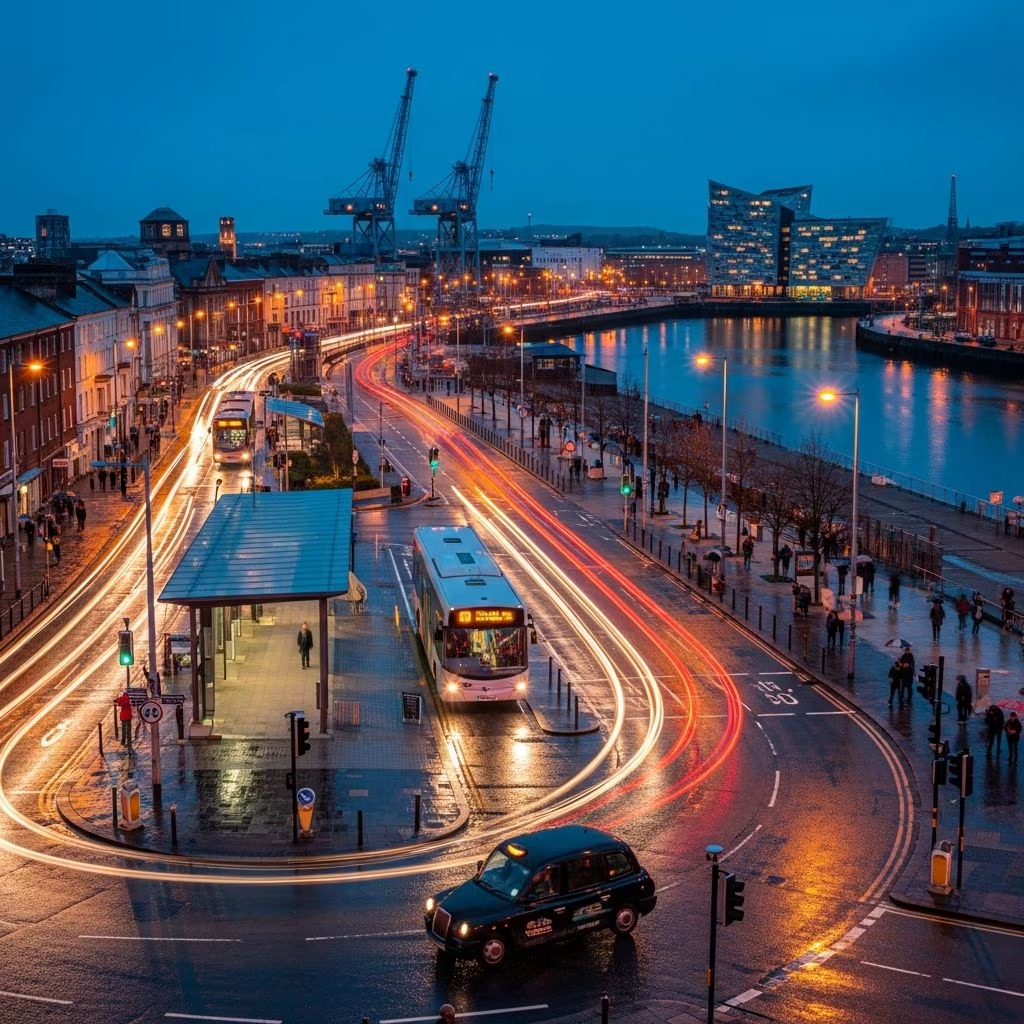 Travel Essentials
Belfast offers a compact, pedestrian-friendly layout combined with a robust public transport system, making it simple for visitors to explore its vibrant neighborhoods, historic sites, and waterfront attractions without a car.
The city’s flat terrain and central concentration of key sights like the Titanic Quarter, Cathedral Quarter, and City Hall mean most popular areas are reachable on foot in under 30 minutes. For longer journeys, Translink’s integrated network of buses, trains, and coaches provides affordable, frequent options. Cycling infrastructure and bike-sharing add eco-friendly flexibility, while taxis offer convenience for late nights or groups.
Translink operates Belfast’s primary bus network, including the recognizable pink Metro buses that cover over 50 routes across the city and suburbs. These services run from early morning until late evening, with frequent departures during peak hours. Fares start at £2.50 for a single trip, but multi-journey Smartlink cards or day passes (£4-£5) offer better value for tourists hopping between sights.
The standout Glider service, launched in 2018, functions like a bus-tram hybrid with bendy, low-floor vehicles and dedicated lanes for reliable travel. Routes G1 and G2 link the city center to the east and west, passing through key stops like Grand Central Station and the University area. Services operate every 10-20 minutes, ideal for quick trips to areas like the Lisburn Road or Knock Road. Extensions to northern and southern suburbs are under development, enhancing connectivity further.
Northern Ireland Railways (NIR), part of Translink, connects Belfast to towns like Derry-Londonderry, Bangor, and Larne. Within the city, two major stations serve commuters and visitors: the expansive Belfast Grand Central Station, a modern hub for regional and Enterprise services, and Lanyon Place Station, convenient for east-side attractions like St George’s Market.
The iconic Enterprise train links Belfast to Dublin in about 2 hours, operated jointly by Translink and Irish Rail. It’s a comfortable option for day trips south, with scenic views along Lough Neagh. Tickets range from £25-£40 one-way; book ahead for peak times.
| Route | Duration | Frequency | Key Stops |
|---|---|---|---|
| Belfast to Derry | 2.5 hours | 8 daily | Coleraine, Portrush |
| Belfast to Dublin (Enterprise) | 2 hours | 9 daily | Newry, Dundalk |
| Belfast to Bangor | 30 minutes | Every 15-30 min | Holywood, Bangor |
Belfast’s growing network of cycle lanes makes biking a joyful way to navigate its hilly edges and flat center. The Belfast Bikes scheme offers over 30 docking stations citywide, with casual hires from £5 for annual access or free for the first 30 minutes per trip. Pick up a bike near libraries, stations, or tourist hubs, and return it at any station. Helmets aren’t provided, so consider bringing your own.
Popular routes include the Comber Greenway to the east and paths along the River Lagan. For safety, stick to marked lanes, especially in traffic-heavy areas like the Ormeau Road. Renting personal e-bikes from local shops expands options for longer outings to parks like Botanic Gardens.
For door-to-door service, Belfast’s black taxis and app-based firms like Value Cabs and FonaCAB dominate. Value Cabs, one of the largest operators, offers wheelchair-accessible vehicles, seven-seaters, and card payments via their app (+44 28 9080 9080). Fares are metered; expect £5-£10 for city center trips, £20-£30 to airports.
Black taxis provide unique sightseeing tours of murals and political history sites, bookable on the spot or via apps. Avoid unregulated cabs; stick to licensed providers for safety.
Belfast handles arrivals at two airports. Belfast City Airport (BHD), just 10 minutes from downtown, connects via the Airport Express 600 bus (£2.60, frequent) or quick taxi rides. Belfast International (BFS), 30 minutes northwest, uses the Airport Express 300 bus (£8-£11.50 return) with direct city center drop-offs. Both services integrate with Translink tickets.
Car rentals are available at both, but public options are cheaper and less stressful amid city parking limits. Trains from BFS via Antrim add a scenic alternative.
Belfast’s core is highly walkable: stroll from City Hall to the Big Fish sculpture in 15 minutes, or loop the Cathedral Quarter’s pubs and street art. Guided walking tours cover peace walls, Titanic history, and food scenes. For accessibility, most Translink buses and Gliders are low-floor with ramps; audio announcements aid visually impaired travelers. Contact Translink for mobility assistance.
Smartlink cards (£1 deposit) allow pay-as-you-go contactless top-ups across Translink services. Day Explorer passes (£5 city, £13 regional) cap daily spending. Apps like MyCiti and Translink Journey Planner optimize routes. Groups save with family tickets; students and seniors qualify for concessions.
Belfast serves as a gateway for Northern Ireland adventures. Goldline coaches reach Derry in 3 hours or Giant’s Causeway via tours. Trains to Portrush offer coastal vibes. Book combined rail-bus tickets for efficiency.
Take the Airport Express 600 bus for a 10-minute ride at £2.60, or a taxi for £6-£8.
Yes, Metro, Glider, and most Ulsterbus services feature low floors and ramps.
Glider G2 or Metro buses drop nearby; walking from the city center takes 20 minutes.
Yes, space is reserved on most services, free of charge.
Metro/Glider until midnight; some night services and 24/7 taxis available.
Word count: 1678 (excluding metadata, FAQs, tables, and references)
