

 Travel Essentials
 Travel Essentials

Explore efficient ways to travel Chile by bus, metro, plane, car, ferry, and more. Tips for budgets, safety, and key routes to make your trip unforgettable.
 Travel Essentials
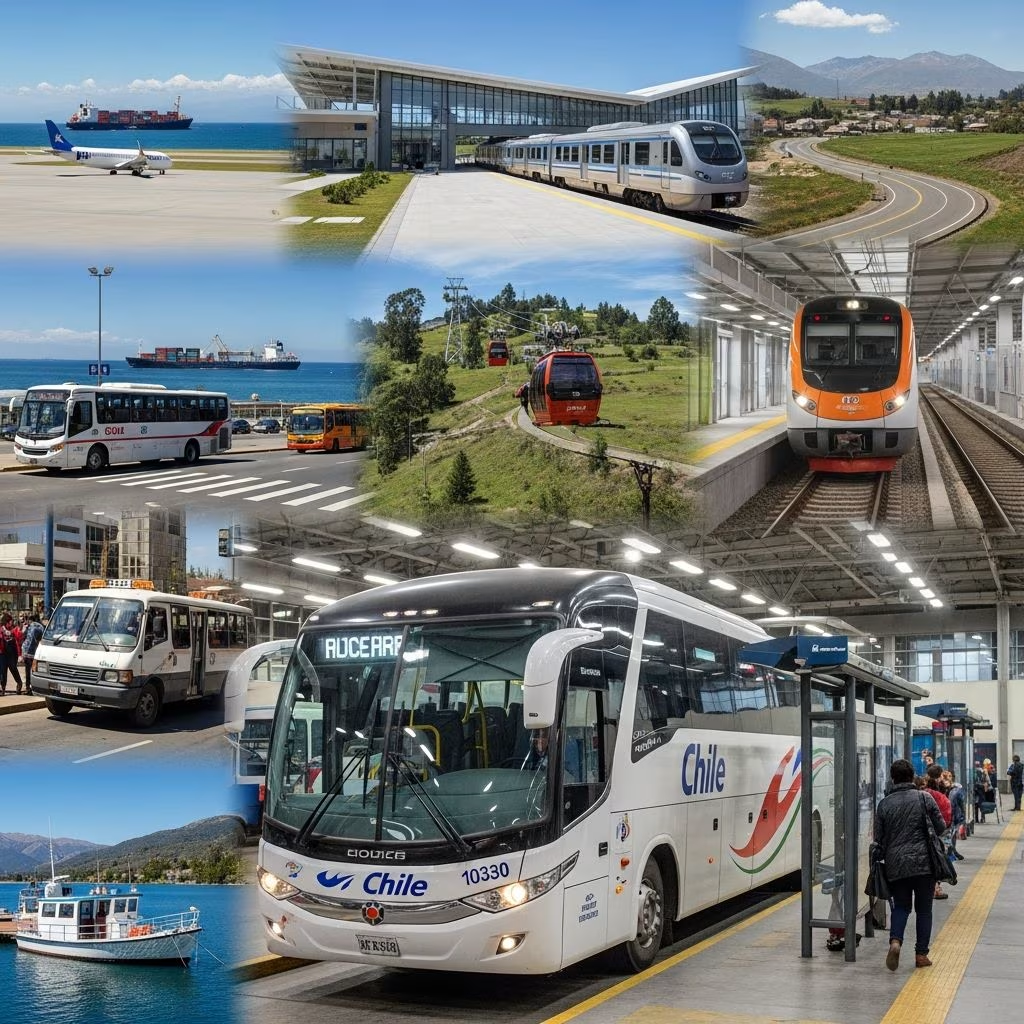
Chile’s elongated geography spanning deserts, mountains, and fjords demands versatile transportation strategies. From budget-friendly buses crisscrossing the nation to swift domestic flights and scenic ferries, understanding local options ensures smooth travel. This guide details public transit, driving, air travel, and more, helping you choose based on time, cost, and adventure level.
Buses dominate Chile’s intercity and local transport, offering reliability and affordability for most journeys. Long-distance services connect major cities like Santiago, Valparaíso, and Punta Arenas with frequent departures and varying comfort levels.
For urban areas, local buses or micros shuttle passengers along fixed routes, ideal for short hops at low fares around 300 Chilean pesos (CLP) per ride. In Santiago, the RED bus system links communes efficiently, requiring a reloadable Bip! card for access.
Smaller operators serve remote spots like surf beaches, providing flexibility for offbeat itineraries. Buses excel for budget travelers but plan for traffic delays on highways.
Santiago’s metro stands out as Latin America’s most efficient urban networks, with expanding lines reaching key sights (excluding the airport). Trains run frequently, costing 520-620 CLP per trip based on peak hours; use the Bip! card for seamless metro-bus integration.
| City | System | Key Features | Fare (CLP) |
|---|---|---|---|
| Santiago | Metro | 7+ lines, air-conditioned, 24/7 extensions | 520-800 |
| Valparaíso/Viña | Commuter Rail | Limache-Puerto line to suburbs | ~500 |
| Concepción | Biotrén | Regional electric trains | Variable |
Outside Santiago, commuter rails supplement buses in Valparaíso and Concepción. No other metros exist, but these rails offer scenic coastal rides. Peak hours bring crowds; travel off-peak for comfort.
Chile’s 4,300 km length makes flights essential for time-sensitive travel. Airlines like LATAM, Sky Airline, and JetSmart operate from Santiago’s Arturo Merino Benítez Airport to hubs like Puerto Montt, Arica, and Punta Arenas.
Regional airports serve remote areas, but southern extremes rely on air over roads. Flights cut multi-day bus trips to hours, ideal for combining north-south itineraries.
Chile’s modern highways, including the toll-laden Pan-American route, make self-driving viable outside Patagonia. Rent from Santiago airports via Hertz or local firms; international permits recommended.
Pros include flexibility for wine valleys or Atacama loops; cons: tolls every 30km on Ruta 5, single-lane risks elsewhere, and Patagonia perils like gravel roads and weather.
Ride-sharing apps like Uber and Cabify thrive in cities, safer than street hailing.
Taxis offer convenience in cities: flag from streets or apps, ~700 CLP/km, but verify meters and routes. Collectivos—shared taxis on fixed paths—cost less for short urban jaunts, though crowded.
Apps (Uber, Cabify) provide tracked, cashless rides, perfect for nights or families. In smaller towns, negotiate fares upfront.
Patagonia’s fjords demand ferries. Navimag’s Puerto Montt-Chacabuco route (24 hours weekly) mixes adventure with comfort. Petrohué-Peulla crosses Lago Todos Los Santos daily (5 hours).
These aren’t just transport—they’re highlights, with glacier views and wildlife. Book ahead; year-round but weather-dependent.
Trains lag behind buses but persist in the Central Valley. EFE’s Santiago-Chillán line (4h40m) stops at Rancagua/Talca, with tourist excursions to coasts or vineyards.
Regional lines like Biotrén (Concepción) or Talca-Constitución add heritage appeal. Comfortable for families, less flexible than buses.
Bike-friendly paths grace Santiago and Valparaíso; rentals abound for urban or wine tours. Long-distance cycling suits fit adventurers on Carretera Austral. E-bikes enhance Patagonian explorations.
Safety: Chile ranks high in South America; stick to licensed services, avoid night buses in remote areas.
Costs overview (2026 estimates):
| Mode | Avg. Cost (CLP) | Best Use |
|---|---|---|
| Bus (local) | 300-800 | Cities |
| Bus (long-distance) | 10k-60k | Countrywide |
| Metro | 520-800 | Santiago |
| Flight | 20k+ | Long hauls |
Apps/Tools: Bip! for transit, Moovit for routes, Recorrido for buses. Carry CLP cash; cards widespread in cities.
For families: Metro/buses accommodate strollers; opt for trains/ferries for space. Patagonia favors transfers over self-drive.
Buses: reliable, extensive network at low prices.
Yes, with good lighting/policing; lines extend late.
No—use buses/transfers due to harsh conditions.
Via terminals or sites like PullmanBus.com.
Yes for time savings over 20+ hour bus rides.
