

 Travel Essentials
 Travel Essentials

Comprehensive guide to navigating Dallas without a car, covering light rail, bus networks, streetcars, and connections between Dallas and Fort Worth.
 Travel Essentials
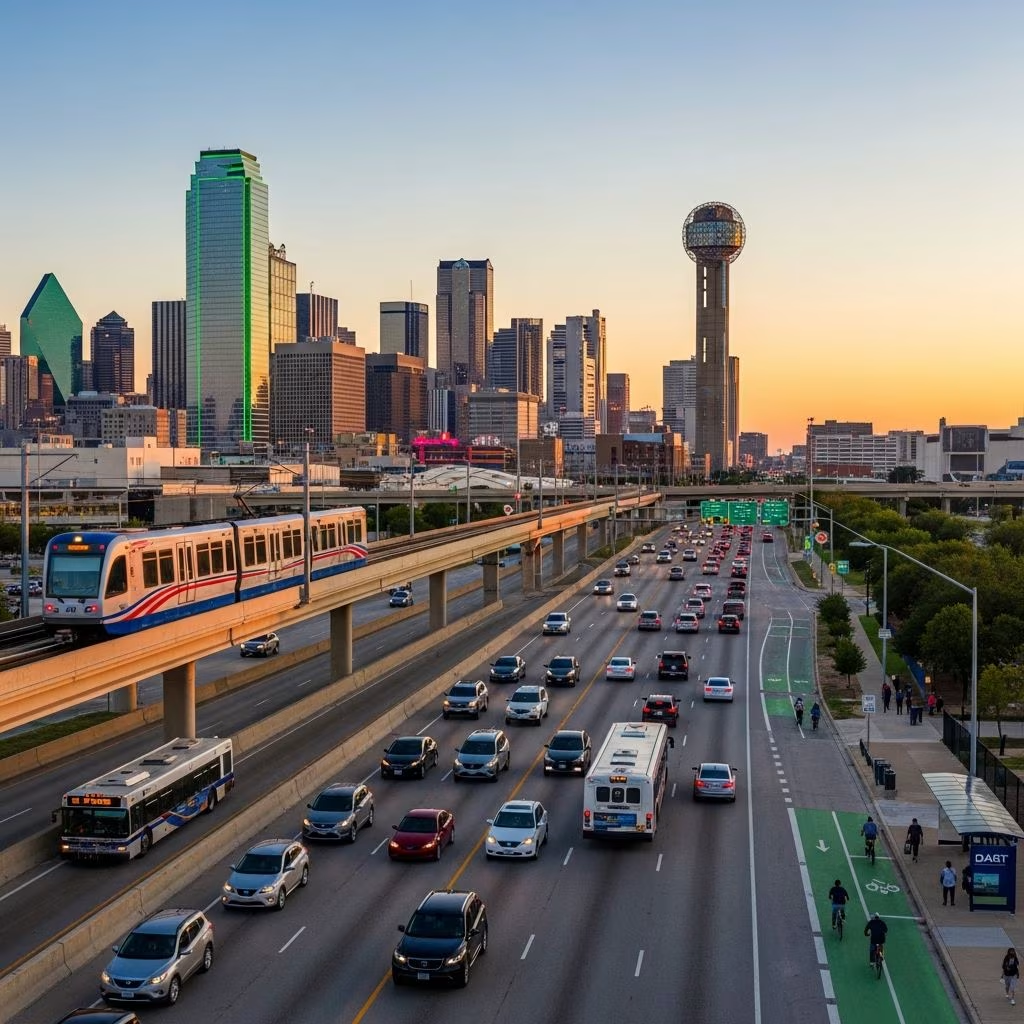
Dallas, despite its reputation as a car-centric metropolis with extensive highway systems, offers robust public transportation infrastructure that allows visitors and residents to explore the city comfortably without relying on a rental vehicle. The metropolitan region combines multiple transit operators and services that work together to create a comprehensive mobility network. Understanding these systems and how to utilize them effectively can transform your Dallas experience, saving both money and time while allowing you to focus on enjoying the city’s attractions.
The Dallas-Fort Worth metropolitan area operates through three primary transportation entities that coordinate to serve different geographic areas and passenger needs. The Dallas Area Rapid Transit (DART) system represents the largest provider, operating extensive light rail, bus, and streetcar services throughout Dallas and its surrounding suburbs. For connections between Dallas and Fort Worth, the Trinity Railway Express (TRE) provides commuter rail service, while Trinity Metro operates bus routes and demand-responsive services in the Fort Worth area. The TEXRail commuter rail line additionally connects Dallas-Fort Worth International Airport to downtown Fort Worth, passing through communities like Grapevine and North Richland Hills.
This multi-operator approach means that understanding which agency serves your specific route is essential. However, the systems are designed to integrate seamlessly, with coordinated schedules and regional pass options that allow travelers to move between operators without purchasing separate tickets.
DART’s rail system represents one of the longest light rail networks in the United States, featuring four color-coded lines that radiate outward from downtown Dallas in a spoke pattern. The Red Line, Blue Line, Green Line, and Orange Line collectively cover 93 miles, connecting downtown stations with prominent intersections and neighborhoods throughout the metropolitan area. While the system lacks the frequency and express service found in some major cities’ rapid transit systems, it provides reliable coverage for trips between downtown and outlying areas.
Service operates from approximately 4:30 AM to 1 AM, with slightly adjusted schedules on weekdays compared to weekends. The light rail proves particularly valuable for travelers arriving at either DFW International Airport or Dallas Love Field, as both facilities maintain direct rail connections. For those arriving at DFW, the Orange Line departs from DFW Airport Station and travels directly into downtown Dallas, making stops in Irving and Las Colinas before reaching downtown destinations. Love Field visitors can access the DART Love Link 524 shuttle bus, which connects to the Inwood/Love Field Station, enabling transfer to the broader rail network.
DART operates the most comprehensive transit option within the system, with over 90 fixed routes utilizing approximately 692 buses serving 13 cities across the Dallas-Fort Worth metropolitan area. The bus network addresses geographic areas not directly served by light rail, making it essential for comprehensive city exploration. Routes range from high-frequency urban lines operating multiple times per hour to weekday-only commuter express services connecting downtown Dallas to outlying suburbs including Plano and Addison.
Bus frequency varies significantly based on route classification, with vehicles arriving anywhere from every 15 to 60 minutes depending on the specific line. It’s important to note that DART buses maintain a reputation for schedule variability, arriving either ahead of or behind posted times with similar likelihood. To minimize frustration, arrive at your stop approximately 10 minutes before the scheduled departure time, providing flexibility for minor delays or early arrivals. The distinctive yellow and white buses make them easily recognizable throughout the city, and the extensive stop network with 6,878 total stops ensures convenient access regardless of your destination.
For visitors interested in exploring specific neighborhoods, Dallas operates two specialty transit services that provide unique transportation experiences while serving practical commuting purposes. The Dallas Streetcar operates a 2.45-mile route connecting EBJ Union Station in downtown Dallas with the historic Bishop Arts District. This modern streetcar system features six stops along this scenic corridor, making it ideal for visitors seeking to experience both downtown’s business district and the Arts District’s creative community, galleries, and dining establishments.
The M-Line Trolley, operated by the McKinney Avenue Transit Authority rather than DART, offers free service connecting the Dallas Arts District to the trendy shops and restaurants located in Uptown. This vintage trolley operates seven days per week, making it a cost-effective option for exploring these popular neighborhoods. The trolley’s charming character and free fare combine to make it a popular choice for both tourists and local residents seeking recreational transit experiences.
The Trinity Railway Express provides the primary connection between downtown Dallas and downtown Fort Worth, with service operating on weekdays and Saturdays. Trains depart from T&P Station in Fort Worth and Dallas’s Union Station, with several intermediate stops including connections to DFW Airport. For travelers interested in exploring both cities within the metropolitan region, the TRE eliminates the need for a rental car or expensive taxi service, though service frequency is limited compared to urban transit systems.
The TEXRail commuter rail line serves an additional connectivity function, linking DFW International Airport directly to downtown Fort Worth with stops at intermediate communities. This service proves particularly valuable for business travelers or visitors planning to spend time in both Fort Worth and Dallas, as it provides an airport connection without requiring downtown Dallas transit first.
DART pricing emphasizes affordability while offering flexibility for different travel patterns. Following a transition in spring 2025, the system eliminated traditional single-ride passes, though one-way fares remain available for streetcar and TRE services. For light rail and bus services, travelers now purchase time-based passes rather than individual rides. Three-hour passes cost $3, while local day passes range from $6 to $12 depending on coverage area. For those frequently traveling between Dallas and Fort Worth, a regional day pass priced at $12 permits unlimited rides across DART, TEXRail, and Trinity Metro services, representing the best value for exploring the broader metropolitan region.
The GoPass app simplifies fare payment and planning, allowing visitors to purchase passes digitally and receive real-time transit information. For travelers preferring physical fare cards, retailers throughout the city offer ticket sales and card reloading services. Monthly passes and additional fare options are available for residents or extended visitors, with pricing designed to encourage transit use over automobile travel.
DART provides multiple tools to facilitate trip planning and navigation. The DART Trip Planner enables visitors to enter their origin and destination, receiving detailed instructions on which trains, buses, streetcars, or trolleys comprise the optimal route. System maps with color-coded route lines help visualize coverage, while individual route maps and schedules provide specific service details. Real-time information apps supplement fixed schedules, allowing travelers to receive current arrival predictions rather than relying solely on published timetables.
For visitors unfamiliar with the transit system, DART offers downloadable “How to Ride” guides available in multiple languages, demystifying the boarding process and fare payment procedures. Downtown Dallas websites and tourism organizations also provide transportation guidance for both visitors and residents navigating the urban core.
While public transit forms the foundation for car-free Dallas exploration, the city offers complementary transportation methods that enhance overall mobility. Rideshare services provide flexibility for trips not well-served by fixed-route transit, though these generally cost more than public transportation. Biking infrastructure continues expanding throughout Dallas, with dedicated lanes and bike-sharing options available in some neighborhoods. Walking remains viable for downtown exploration and neighborhood-specific destinations, particularly in the Arts District and Uptown areas where pedestrian infrastructure is most developed.
Several strategies optimize the Dallas transit experience:
The DART Orange Line operates direct service from DFW Airport Station to downtown Dallas, making stops in Irving and Las Colinas. This provides the most economical and convenient option for airport transfers without requiring a taxi, rental car, or rideshare service.
DART light rail service operates until approximately 1 AM, though service begins as early as 4:30 AM. Bus and streetcar schedules vary by specific route, with most services concluding by midnight. It’s advisable to plan major transit trips before these evening cutoff times.
Yes, three-hour passes priced at $3 accommodate travelers making single trips or limited explorations, while day passes ranging from $6 to $12 suit visitors planning multiple journeys within a 24-hour period. The regional day pass at $12 extends coverage to Fort Worth transit systems.
Bus frequency ranges from 15 minutes on high-traffic urban routes to 60 minutes on suburban or express services. Exact frequencies vary by specific route, and information is available through the DART Trip Planner or route-specific schedules.
The Dallas Streetcar operates on a fixed 2.45-mile route between downtown and the Bishop Arts District with only six stops, making it ideal for accessing these specific neighborhoods. Unlike buses, streetcars cannot deviate from their tracks, creating a more predictable but less flexible transportation option.
Dallas transit systems accommodate passengers with mobility challenges through accessible vehicles and stations. DART buses feature wheelchair lifts and designated seating areas, while light rail stations include elevators and accessible platforms. Specialized transportation services address needs beyond fixed-route transit capabilities, ensuring that visitors and residents with different mobility requirements can navigate the city effectively.
Dallas’s public transportation system, while designed primarily for suburban commuters rather than intensive urban transit, provides sufficient coverage for visitors and residents to explore the city without automobile reliance. The combination of DART light rail, extensive bus networks, specialty streetcars, and regional rail connections creates a multifaceted mobility ecosystem. By understanding how these systems operate and their respective strengths and limitations, travelers can navigate Dallas efficiently while experiencing the city’s diverse neighborhoods, cultural institutions, and attractions. Strategic use of passes, digital planning tools, and complementary transportation options maximizes the effectiveness of any car-free Dallas visit.
