

 Travel Essentials
 Travel Essentials

Discover efficient ways to explore Italy by high-speed rail, scenic buses, rental cars, and local metros. Essential tips for tickets, routes, and city navigation.
 Travel Essentials
Italy’s transport infrastructure stands out for its efficiency and variety, linking bustling cities like Rome and Milan with remote villages and coastal gems. Whether prioritizing speed, scenery, or savings, travelers have options from high-velocity trains to winding coastal drives. This guide breaks down each mode, with practical advice drawn from official networks and expert insights.
Trains dominate intercity travel in Italy, offering speed, comfort, and views of rolling hills and vineyards. The network spans the peninsula, connecting nearly every notable destination.
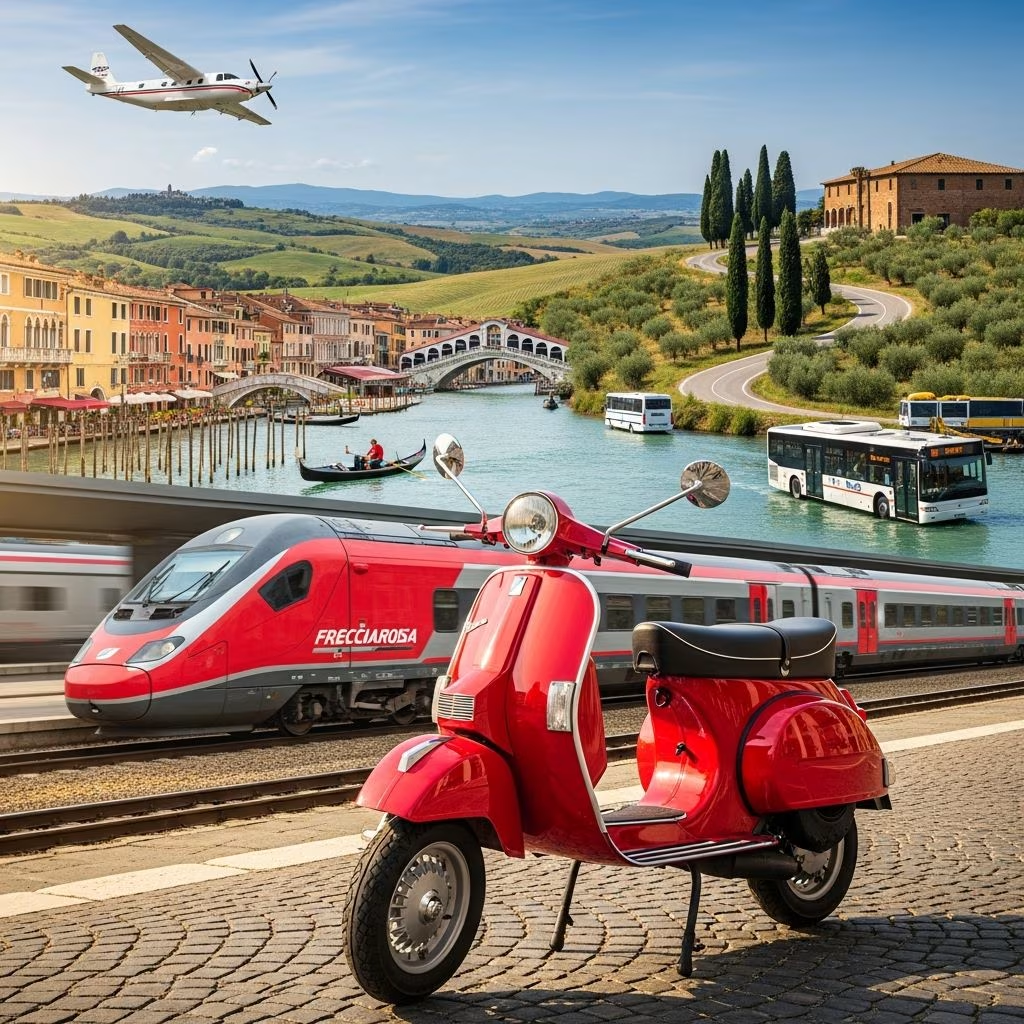
Two primary operators handle most services: state-run Trenitalia and private Italo. Trenitalia’s Frecciarossa (red arrow) trains hit speeds up to 300km/h on key routes like Turin-Milan-Bologna-Florence-Rome-Naples-Salerno, or Venice-Florence-Rome-Naples. Italo focuses on major hubs with similar high-velocity options.
Train categories include:
Platforms like Omio compare schedules and prices across operators, storing e-tickets in apps for paperless travel. Eurail/Interrail passes suit multi-stop itineraries.
| Popular Route | Operator Example | Duration | Starting Fare |
|---|---|---|---|
| Rome to Florence | Frecciarossa/Italo | 1.5 hours | €16-€50 |
| Milan to Venice | Frecciarossa | 2.5 hours | €20-€60 |
| Naples to Salerno | Regionale/IC | 30-45 min | €5-€15 |
Stations like Roma Termini or Milano Centrale bustle with amenities; arrive 20-30 minutes early for peak times.
Beyond high-speed lines, regional trains access spots like Cinque Terre, Lake Garda, or Sorrento. These slower services fill gaps in the AV network, with frequent departures.
Key lines include Venice-Padua-Bologna-Florence-Rome and Milan-Brescia-Verona-Padua-Venice. For Sicily, ferries link to rail extensions.
Buses complement trains for budget travel or underserved routes. No national operator exists, but companies like FlixBus cover intercity paths cheaply, often undercutting trains for long hauls.
Regional networks, run by local firms, connect Tuscany’s hill towns or Puglia’s villages. Schedules may not be online; check stops directly. Tickets cost under €2 locally, bought at tobacconists (T-sign shops) or newsstands—validate before boarding to avoid fines.
Long-distance options like Itabus or Marinobus serve coasts; book online. Services run daily, with night routes in big cities, though weekends see reductions.
Cities feature robust public systems. Milan, Rome, Naples, Turin, Brescia, Genoa, and Catania have metros running weekdays until late, with weekend adjustments.
Buses and trams link centers to suburbs; buy tickets pre-boarding (€1-€2). Venice swaps roads for vaporetti (ferries), gondolas, and water taxis—practical passes save money.
Apps like Google Maps or Moovit plot routes seamlessly.
For flexibility, rent cars via highways marked by green signs. The Autostrada del Sole (A1) unites north-south (Milan to Naples), while A14 hugs the Adriatic.
EU licenses suffice; non-EU need International Driving Permits. Tolls apply (pay at exits); use Viacash for ease. Speed limits: 50km/h urban, 90km/h rural, 130km/h motorways. ZTL zones restrict city centers—watch signs or risk fines.
Rentals start at €30/day; book with major firms for insurance. Park outside historic cores.
Ferries ply to Sicily, Sardinia, and Amalfi from Naples or Bari. Seasonal speeds vary; book ahead for cars.
Domestic flights (Ryanair, ITA) shortcut extremes like Milan-Palermo (1.5 hours), but factor airport hassles.
Use Rome2Rio or Google Maps for multimodal options. Prioritize trains/buses for low emissions.
High-speed trains booked early (€16+) beat buses (3+ hours).
Trains/buses work for cities; cars unlock vineyards.
Yes, especially AV; delays rare on main lines.
Pre-board at shops; validate onboard.
Vaporetti passes cover canals efficiently.
