

 Travel Essentials
 Travel Essentials

Comprehensive guide to Mexico City's public transit: metro lines, Metrobús routes, Cablebús rides, Ecobici bikes, taxis, and airport transfers with fares, hours, and safety advice.
 Travel Essentials
Mexico City boasts one of the most extensive public transportation networks in Latin America, making it accessible and affordable to explore its vibrant neighborhoods, historic sites, and modern attractions. From the sprawling metro system to innovative cable cars and bike-sharing, visitors can move efficiently without relying heavily on private vehicles.
Arriving at Mexico City International Airport (AICM) sets the tone for your trip. Budget travelers can hop on Metro Line 5, which links directly to the city center for a mere 5 pesos per ride. Alternatively, Metrobús Line 4 offers a swift connection from both terminals to key downtown spots.
For comfort, authorized airport taxis provide prepaid services inside terminals, ensuring safe and fixed-rate travel. Ride-hailing apps like Uber, Didi, and Cabify operate with designated pick-up zones on the sidewalk, avoiding illegal curbside operators. Expect fares around 200-400 pesos to central areas, depending on traffic.
The Mexico City Metro stands as a global marvel, featuring 12 color-coded lines, 195 stations, and over 200 kilometers of track. It serves approximately 5.5 million passengers daily, connecting neighborhoods like Roma, Condesa, and the Historic Center to landmarks such as Chapultepec Park and UNAM university.
Fares remain a flat 5 pesos per unlimited ride within the system, purchased via single tickets or the rechargeable Tarjeta de Movilidad Integrada (MI card) for 15 pesos plus top-ups. This card unlocks seamless travel across metro, Metrobús, trolleys, and more. Stations use intuitive pictograms, aiding non-Spanish speakers.
| Line | Color | Key Destinations |
|---|---|---|
| 1 | Pink | Historic Center to Pantitlán |
| 2 | Blue | Cuatro Caminos to Tasqueña |
| 3 | Olive Green | Indios Verdes to Universidad |
| 4 | Teal | Martin Carrera to Santa Anita |
| 5 | Yellow | Politécnico to Pantitlán (Airport link) |
Operating hours: Weekdays 5am-midnight, Saturdays 6am-midnight, Sundays/holidays 7am-midnight. Avoid rush hours (7-9am, 5-7pm) when crowds peak; women and children have dedicated cars for safety.
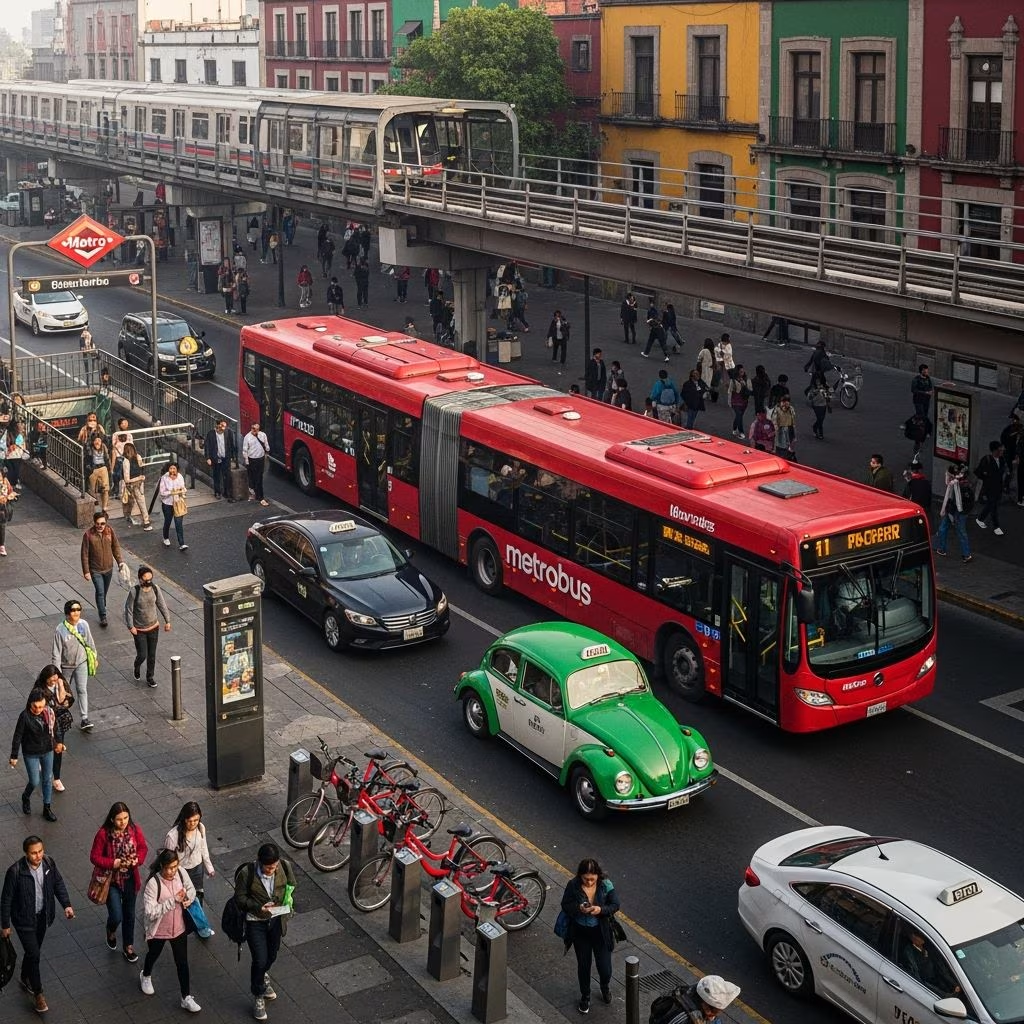
Complementing the metro, the Metrobús system spans 7 lines with over 280 stations, using bus rapid transit (BRT) for reliable speeds. Red buses, some double-deckers, glide through dedicated lanes, tapping MI cards for 6-peso fares. Line 7 along Paseo de la Reforma offers panoramic views of icons like the Angel of Independence and Anthropology Museum.
Services run 5am-midnight, with pink front sections reserved for women and children. Less prone to metro-level crowds but watch for pickpockets in busy stations.
Mexico City’s Cablebús elevates transit literally, linking hilly peripheries like Iztapalapa and Gustavo A. Madero to metro hubs via scenic gondolas. Affordable at 6-12 pesos per ride (MI card required), it cuts commute times dramatically while showcasing panoramic vistas.
Lines like C1 and C2 operate daily, providing eco-friendly access to underserved areas. Perfect for tourists seeking unique perspectives without traffic hassles.
Electric trolleys (Trolebús) on 8 lines offer quiet, sustainable rides across the city, from the Historic Center southward. Swipe your MI card for 6 pesos; cashless and often less crowded.
RTP buses supplement with routes to farther spots, maintaining the integrated system’s affordability. Night owls appreciate extended hours until 11:30pm on select paths.
Ecobici’s 6,800 bikes across 500+ stations promote green commuting. Unlock via MI card or app for 30-minute free rides (escalating fees beyond). Helmets recommended; stations cluster in trendy areas like Reforma and Roma.
Sundays feature Ciclovía, closing Reforma to cars for car-free cycling—rentals abound.
Uber, Didi, and Cabify dominate for door-to-door service, safer than street hails. Fares start at 40-60 pesos base, surging in peaks. Peseros (shared vans) ply fixed routes cheaply but require Spanish savvy.
Official taxis use meters or apps; avoid unmarked ones, especially post-dark.
Stay vigilant: Use dedicated women/children areas, secure valuables, and travel in groups at night. Apps like CDMX Mobility aid real-time tracking. Public systems are wheelchair-accessible in key spots.
| Mode | Fare (Pesos) | Payment | Hours |
|---|---|---|---|
| Metro | 5 | MI Card/Ticket | 5am-Midnight |
| Metrobús | 6 | MI Card | 5am-Midnight |
| Cablebús | 6-12 | MI Card | Varies |
| Ecobici | Free/30min | MI Card/App | 24/7 Stations |
| Uber (avg 5km) | 100-200 | App | 24/7 |
Get your MI card day one—15 pesos initial, rechargeable at stations. Saves time and money across systems.
For Xochimilco’s trajineras or Tlalpan, combine metro with Uber. Central bus terminals like TAPO serve nearby states efficiently.
Metro Line 5 or Metrobús Line 4 at 5-6 pesos.
Single tickets yes, but MI card preferred for multiples.
Pictograms and colors guide universally; apps help.
Yes, modern and scenic with strong security.
Ciclovía on Reforma—rent Ecobici easily.
