

 Travel Essentials
 Travel Essentials

Discover essential strategies for getting around Mongolia, including vehicle rentals, public transport, animal rides, and flight options for an unforgettable journey through its remote wilderness.
 Travel Essentials
Mongolia’s immense territory, characterized by endless steppes, towering mountains, and sprawling deserts, demands thoughtful planning for transportation. Unlike more developed destinations, much of the country lacks paved roads, making reliable mobility key to accessing its natural wonders and cultural sites. This guide explores diverse options, from modern vehicles to time-honored animal transport, ensuring travelers can venture beyond Ulaanbaatar with confidence.
Ulaanbaatar serves as the primary entry point for most visitors, connecting via international flights from hubs like Beijing and Seoul, or the iconic Trans-Siberian Railway for a scenic overland approach. The capital’s Chinggis Khaan International Airport handles domestic departures, while the central train station facilitates onward journeys. Upon arrival, stock up on essentials at markets like the Black Market for gear suited to off-road exploits.
From here, transitions to rural areas begin, often requiring pre-arranged vehicles due to limited infrastructure. Peak summer months (June to August) see heightened demand, so reservations are crucial as snow can blanket routes by September.
For delving into Mongolia’s untouched interiors, renting a four-wheel-drive (4WD) vehicle stands out as the premier choice. Essential beyond paved highways linking Ulaanbaatar to spots like Khövsgöl Nuur National Park, these rugged machines handle rutted tracks and river crossings with ease.
Tour operators typically bundle 4WD vans or jeeps with English-speaking guides and drivers, ideal for small groups or families. Budget tours favor sturdy vans that withstand bumpy rides, while luxury options provide cushioned jeeps. Self-driving appeals to seasoned adventurers, but demands familiarity with local conditions—vast distances, unpredictable weather, and no cell coverage in remote zones.
| Vehicle Type | Best For | Pros | Cons |
|---|---|---|---|
| 4WD Van (Group Tours) | Budget travelers, 4-8 people | Affordable, spacious for gear | Rough ride on potholes |
| Jeep (Private) | Couples, families | Comfortable, customizable | Higher cost |
| Self-Drive 4WD | Experienced drivers | Flexibility, independence | Requires navigation skills, fuel planning |
Hire from Ulaanbaatar guesthouses or agencies for the latest road intel; aimag (provincial) centers offer fewer options. Fuel stations are sparse outside main routes, so carry extra and a jerry can.
Domestic flights from Ulaanbaatar’s airport link to 20+ aimags, shrinking vast distances. Airlines like Hunnu Air and MIAT Mongolian Airlines operate small propeller planes to outposts like Khövsgöl, Gobi hubs, or western provinces. Journeys that take days by road convert to hours aloft, perfect for multi-destination itineraries.
Tickets book online or at counters, but confirm schedules as weather delays are common. Small airstrips demand light packing—20kg baggage limits apply. This mode suits time-constrained visitors targeting eagle hunter festivals or desert oases.
For cost-effective travel between major centers, public buses depart from Ulaanbaatar’s Dragon Center Bus Station. Routes fan to aimag capitals like Murun (Khövsgöl) or Dalanzadgad (Gobi), with online booking available though in-person verification is wiser.
Minibuses (micros) or khüükhen jeeps offer flexible, shared rides to tourist hubs like Terelj National Park. Expect 8-12 hour hauls on dusty roads; comfort varies from padded seats to standing room. Not ideal for off-grid spots—buses stick to the single major highway.
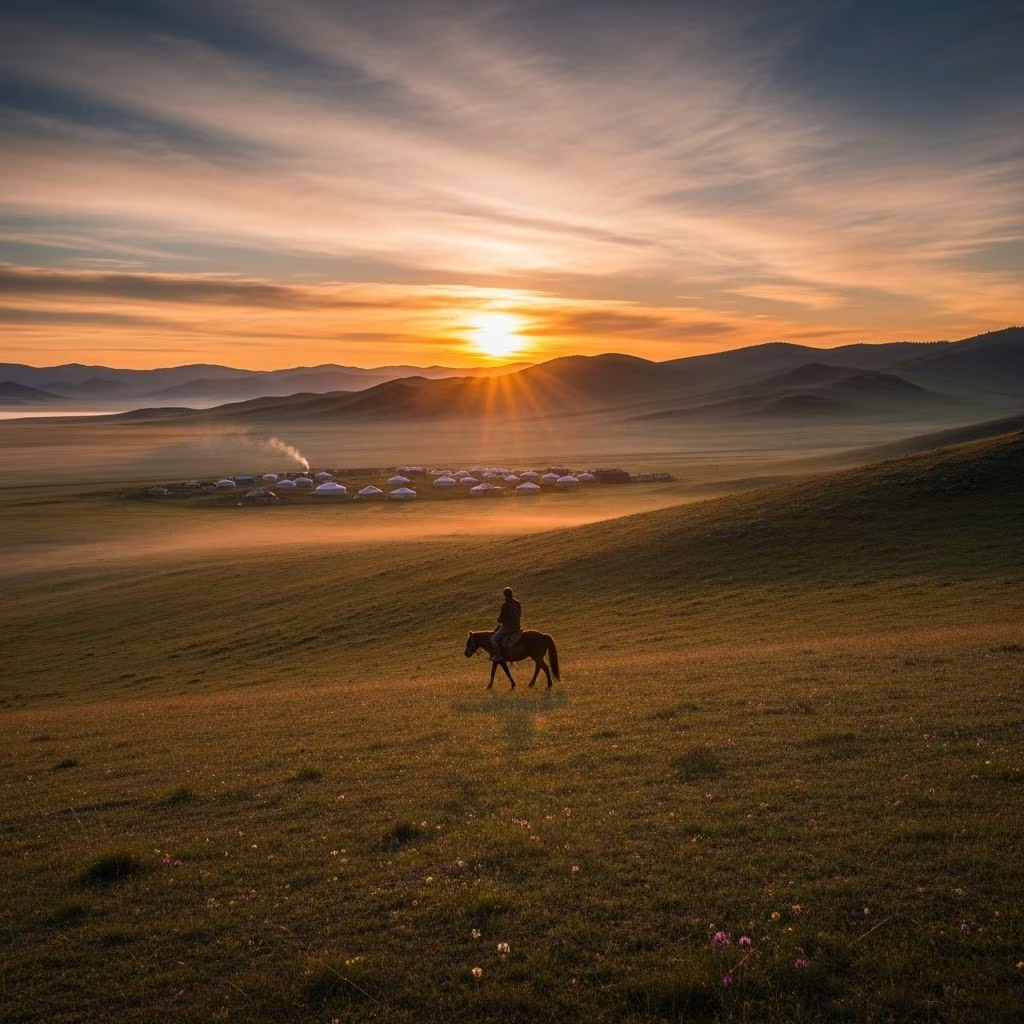
Mongolia’s nomadic roots shine through horse, camel, and yak treks, immersing travelers in pastoral life. Horses, symbols of the Mongol Empire, power multi-day expeditions in Arkhangai, Khentii, or Khövsgöl provinces.
Operators arrange guided rides with local herders providing mounts and camps. Iconic routes span 300km from Terkhiin Tsagaan Nuur to Khövsgöl Nuur over two weeks, tracing river valleys. In the Gobi, Bactrian camels navigate Khongoryn Els dunes, while yaks haul gear in northern taiga.
Specialists like those offering pack-camel caravans enable slow-paced nomad simulations. Winter adds dog sledding in Terelj or reindeer rides up north. Physical fitness and weather prep are vital; guides handle logistics.
The Trans-Siberian Railway’s Ulaanbaatar stop invites extended stays for steppe forays. Domestic trains chug to northern borders, though infrequent. Primarily useful for arrivals, they evoke historic romance amid modern comforts.
Summer peaks with green steppes and festivals, but book early. Shoulder seasons (May, September) offer solitude; winter (-30°C) limits roads but enables unique pursuits like eagle hunting.
Expect $100-200/day for 4WD with driver/guide; flights $50-150 one-way. Bargain at guesthouses for independents; tours streamline visas and permits.
Carry water purifiers, satellite phones, and offline maps. Road conditions evolve—consult locals. Respect nomad customs; tip guides generously.
| Duration | Focus | Transport Mix | Highlights |
|---|---|---|---|
| 7 Days | Central Mongolia | 4WD + Horse Trek | Terelj Park, nomadic stays, horseback archery |
| 10 Days | Gobi Desert | Flight + Camel Trek | Dalanzadgad flight, sand dunes, Ongiin Khiid ruins |
| 14 Days | North & West | Bus/Flight + Reindeer | Khövsgöl Lake, eagle hunters, taiga adventures |
Yes, via Ulaanbaatar-based rentals and buses, but challenging without Russian/Mongolian skills and 4WD experience.
June-August for accessibility; prepare for rain.
Highly recommended for language, navigation, and cultural insights.
Weather-dependent but efficient for long hauls.
Absolutely—many tours hybridize for variety.
Mastering Mongolia’s transport unlocks its soul—from thundering across plains in a 4WD to swaying atop a camel at dusk. With preparation, every journey becomes a tale of resilience and wonder.
