

 Travel Essentials
 Travel Essentials

Discover efficient ways to navigate Oaxaca City using taxis, buses, colectivos, cycling, and organized tours. Affordable options connect the historic center to ruins and nearby villages.
 Travel Essentials
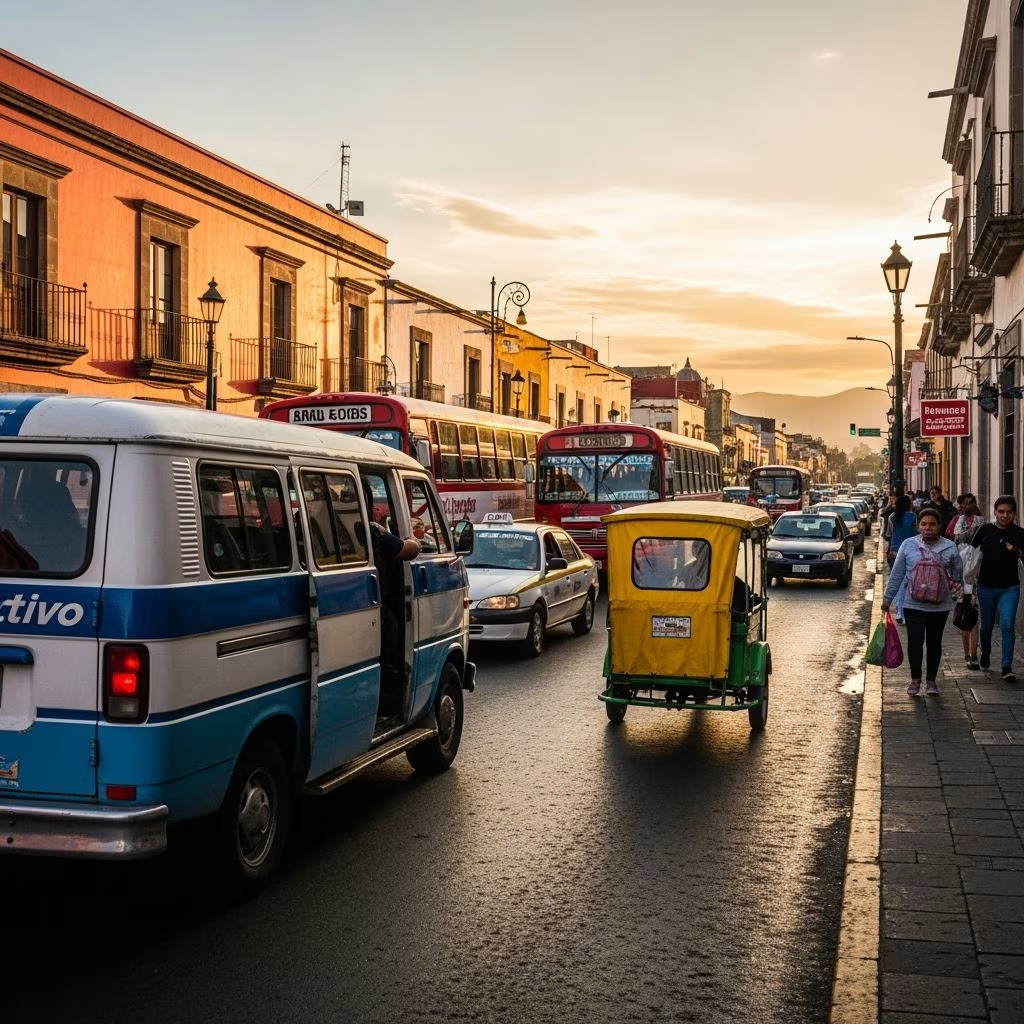
Oaxaca City offers a variety of affordable and reliable transportation choices that make it easy to explore its colonial streets, markets, and surrounding cultural sites. From hailing taxis to pedaling through bike lanes, visitors can navigate the city and its outskirts without hassle.
Taxis provide a quick and convenient way to move around Oaxaca City, especially for short trips in the central historic zone. Street hailing is common and generally safe, with fares typically ranging from M$40 to M$60 (about US$2 to $3) for rides within the downtown area. Look for official yellow taxis, which are plentiful near major landmarks like the Zócalo.
For added convenience, app-based services like Didi operate through partnerships with local taxi fleets. These rides maintain reasonable pricing similar to street cabs while offering tracking and cashless payments. Always confirm the fare upfront to avoid surprises, particularly for longer journeys to outskirts like the bus stations.
Shared options such as colectivos—fixed-route taxis packed with passengers—cut costs further. These maroon-and-white sedans gather near the second-class bus station and display destinations on windshields. Popular routes head to sites like El Tule, Teotitlán del Valle, or Mitla from spots east of the Vasconcelos baseball stadium. Expect tight seating, making them ideal for budget travelers comfortable with group rides.
Oaxaca’s public bus system stands out for its dirt-cheap fares of around M$8 (US$0.40) and extensive coverage across neighborhoods and nearby towns. Vehicles run frequently, and drivers handle change, allowing pickups from nearly any corner. Key lines include “Juárez” buses from the first-class station avenue, dropping off three blocks east of the Zócalo, and “Tinoco y Palacios” routes west of the main square.
The modern CityBus network enhances connectivity with routes slicing through the historic center along Avenida de la Independencia toward the first-class station. For excursions, Autobuses Turísticos at Mina 501 offers hourly departures to Monte Albán’s impressive Zapotec ruins in the mornings and early afternoons.
Oaxaca features two primary bus terminals: the first-class station 2km northeast of the Zócalo for deluxe services to major cities like Mexico City via ADO, UNO, or OCC, and the second-class station 1km west for local and coastal routes to places like Puerto Escondido. Advance tickets via sites like Ticketbus ensure seats for longer trips.
| Bus Terminal | Location | Main Services |
|---|---|---|
| First-Class | 2km NE of Zócalo (Calz Niños de Chapultepec 1036) | Deluxe to Mexico City, Puebla; ADO, OCC |
| Second-Class | 1km W of Zócalo | Local villages, coast (Puerto Escondido) |
Oaxaca is embracing cycling with an expanding network of dedicated bike lanes, enhancing safety amid 1,200 historic monuments downtown. Riders must stay vigilant around erratic drivers, but the flat terrain and cobbled streets reward adventurers.
Rental shops like Mundo Ceiba provide bikes and lead group rides, including the popular Paseo Nocturno. This 90-minute, 8km (5-mile) social outing starts at 9pm from Templo de Santo Domingo on Wednesdays, Fridays, Saturdays, and Sundays, weaving through illuminated colonial lanes. It’s a relaxed way to experience the city’s evening vibe.
Colectivos and minibuses connect Oaxaca City to artisan villages efficiently. These shared vans or cars follow set paths, dropping passengers at central pueblo spots for MXN 20-50 fares depending on distance. From the second-class station’s northeast side, they serve valleys and ruins.
In rural areas, mototaxis (tuk-tuks) offer nimble last-mile rides. Super affordable, they navigate narrow pueblo roads where colectivos stop at hubs. Locals use them to reach homes, making them perfect for tourists exploring beyond main squares. Combine with pre-planned walks, as GPS can glitch in the city center.
For hassle-free access to highlights like Monte Albán or Hierve el Agua, join guided tours from central operators. These bypass navigation woes, including transport to mezcal distilleries and weaving villages. Shared vans to coastal hubs like Huatulco fill quickly, so book ahead.
Walking remains best for Centro’s core attractions, reachable in 5-15 minutes from most hotels. Plot routes offline due to spotty GPS.
| Option | Cost (MXN) | Best For | Travel Time (Centro) |
|---|---|---|---|
| Taxi | 40-60 | Short hops, night | 5-10 min |
| Colectivo | 20-50 | Villages | 15-30 min |
| Bus | 8 | Neighborhoods | 10-20 min |
| Bike | Rental 100/day | Sightseeing | 15-30 min |
| Mototaxi | 20-40 | Pueblos | 5-10 min |
Yes, street hailing is generally safe in central areas; use official yellow cabs or Didi for reliability.
Take CityBus or Autobuses Turísticos from Mina 501; hourly in mornings.
Public buses at M$8 cover most spots efficiently.
Yes, Mundo Ceiba offers rentals and guided night rides.
No Uber, but Didi partners with local taxis.
Start days near the Zócalo with walks or bikes, then bus to markets. Afternoon colectivos hit ruins; evenings taxi back. This flow maximizes Oaxaca’s mix of urban charm and rural escapes.
With buses linking to regional hubs like Huatulco and Puerto Escondido terminals, Oaxaca serves as a gateway. First-class ADO buses to Mexico City (7 hours, 20+ daily) showcase mountain views.
