

 Travel Essentials
 Travel Essentials

Discover frequent passenger blunders at TSA checkpoints that cause delays, from liquids mishaps to document fumbles, and get practical tips to speed up your journey.
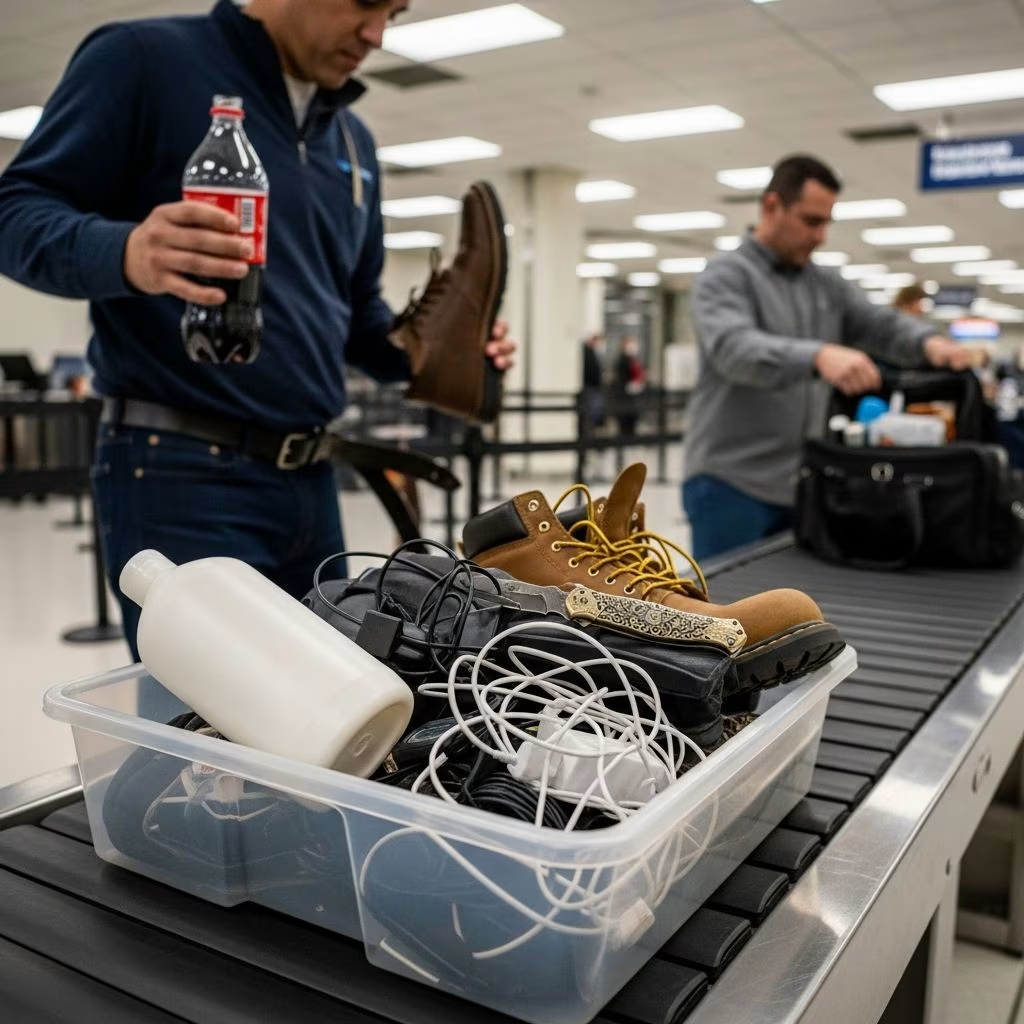 Travel Essentials
Airport security lines can transform a smooth travel day into a frustrating wait, but most delays stem from preventable errors by passengers. Understanding TSA protocols empowers you to move swiftly through checkpoints, minimizing stress and maximizing time for enjoying your trip.
The cornerstone of carry-on restrictions is the 3-1-1 rule, mandating liquids, gels, and aerosols in containers no larger than 3.4 ounces (100 milliliters), all fitting into one quart-sized clear plastic bag per passenger. Items like toothpaste, shampoo, and lotion must comply, yet violations remain rampant, triggering bag inspections that halt entire lines.
During peak periods, such as holidays, a single non-compliant item leads to manual searches, item confiscation, and backups affecting dozens behind you. To comply effortlessly:
Proactive preparation turns a potential 10-minute delay into seconds at the scanner.
Your outfit significantly influences screening speed. Loose fabrics, tight materials, or metallic elements often confuse millimeter wave scanners or metal detectors, necessitating pat-downs that divert agents and create queues.
Millimeter wave technology detects concealed threats without contact but struggles with dense clothing or accessories. Opt for streamlined attire:
| Problem Item | Why It Delays | Better Alternative |
|---|---|---|
| Belt with large buckle | Sets off metal detectors | Elastic waist pants |
| Heavy jewelry | Triggers alarms | Minimal studs or none |
| Boots or laced shoes | Hard to remove quickly | Slip-on loafers |
| Layered hoodies | Obscures body scanner | Light zip-up jacket |
Choosing wisely reduces personal screening time by up to 50% and keeps lines flowing.
A lesser-known pitfall involves products already on your skin. Thick lotions, sunscreens, or moisturizers applied shortly before screening can react with trace-detection swabs, flagging false positives for explosives and prompting pat-downs.
Pat-downs resolve alarms from technology or swabs but consume precious agent time. Prevention is straightforward:
This subtle habit prevents unexpected halts even for compliant bags.
TSA requires all electronics larger than a cell phone—laptops, tablets, cameras—to exit carry-ons and enter bins alone for X-ray scrutiny. Forgetting this invites bag pulls and rescreens, a top delay source.
Streamline by designating a dedicated pouch for devices, easily unzipped at checkpoints. Place nothing atop or beneath them to avoid rescans. Frequent flyers swear by this for consistent 30-second clears.
Nothing frustrates agents more than rummaging passengers at ID verification. Have your government-issued photo ID and boarding pass digitized or in hand immediately—delays here compound as lines build.
TSOs verify identity and flight details but cannot assist with check-ins or changes; misplaced docs force line exits. Tips include:
Readiness shaves minutes off group processing.
Beyond personal prep, line choice matters. Scan for shortest queues, family lanes (often slower), or PreCheck options if eligible. TSA policies vary by airport for unpredictability, so observe signage.
Avoid peak confrontation: stay compliant, polite, and patient. Questioning procedures mid-line escalates times. Instead, note concerns for post-screening feedback.
For repeat travelers, expedited programs revolutionize security. TSA PreCheck allows keeping shoes, belts, and laptops in bags, with 99% of members waiting under 10 minutes.
CLEAR uses biometrics for ID verification, pairing with PreCheck for elite speed. Enrollment costs $70-100 for 5 years, accessible via tsa.gov/precheck.
Minimize carry-on clutter by reserving checked luggage for non-essentials. Carry-ons should hold only checkpoint-ready items: one personal bag plus liquids bag.
Prohibited carry-ons include sharp objects, large liquids, and sporting goods—ship ahead or check them. This reduces bin congestion and personal inspections.
Holidays amplify mistakes’ impact. Arrive 3 hours early, use apps like MiFlight for real-time wait estimates, and dine pre-security to avoid post-check hangry rushes.
TSA advises against prohibited foods like spreads; solid snacks pass easier than gels.
3.4-ounce containers, 1 quart bag, 1 per passenger for liquids/gels/aerosols.
Not always, but metal ones may alarm—opt for silicone.
Yes for PreCheck; empty front pockets otherwise.
Agents direct to freeze points for retrieval—don’t re-enter line.
Absolutely for 2+ annual flights; saves hours yearly.
Implementing these strategies transforms TSA from obstacle to formality. Practice on domestic trips to perfect for international jaunts, where rules intensify. Safe travels await the prepared passenger.
