

 Travel Essentials
 Travel Essentials

Get your car road-trip ready with a practical checklist for inspections, tires, emergency gear, and route planning to avoid breakdowns.
 Travel Essentials
Embarking on a road trip promises freedom, scenic views, and memorable experiences, but only if your vehicle is ready for the journey. Proper preparation minimizes breakdowns, enhances safety, and maximizes enjoyment. This guide outlines critical steps to get your car road-trip ready, drawing from reliable automotive advice.
Start with a comprehensive under-the-hood and overall vehicle check to identify potential issues early. Professional mechanics recommend annual battery tests for vehicles over two years old, focusing on tight connections and corrosion-free terminals. Clean connectors with a wire brush if needed, but consult experts for safety.
Examine belts and hoses for cracks, frays, or leaks, as these components power essential systems like cooling, steering, and electricity. Secure belts should have minimal slack; replace per your owner’s manual, often around 60,000 miles.
Schedule a pre-trip service at a certified center for peace of mind, especially for high-mileage cars.
Tires are your connection to the road, directly impacting handling, fuel efficiency, and safety. Check pressure when tires are cold, using the manufacturer’s recommended PSI from the door jamb sticker or manual. Inflate the spare tire too.
Use the penny test: insert a penny into the tread with Lincoln’s head upside down; if you see the top of his head, replace the tire due to insufficient tread depth. Rotate tires if uneven wear appears and align wheels for straight tracking.
| Tire Check Item | Frequency | Action if Issue Found |
|---|---|---|
| Pressure | Weekly/Before Trip | Inflate to spec; check spare |
| Tread Depth | Monthly | Penny test; replace if needed |
| Sidewall Damage | Visual Pre-Trip | Professional inspection/repair |
A portable tire inflator compatible with your engine size is invaluable for minor leaks or adjustments on the go.
Visibility and signaling are non-negotiable. Test headlights, taillights, brake lights, turn signals, and interior lights; replace burnt bulbs promptly. Honk the horn and run the AC/heat to confirm operation, servicing AC if it blows warm.
Replace wiper blades every six months if they streak or fail to clear water effectively. Check the battery’s charge and secure hold-downs; AAA offers free tests for members.
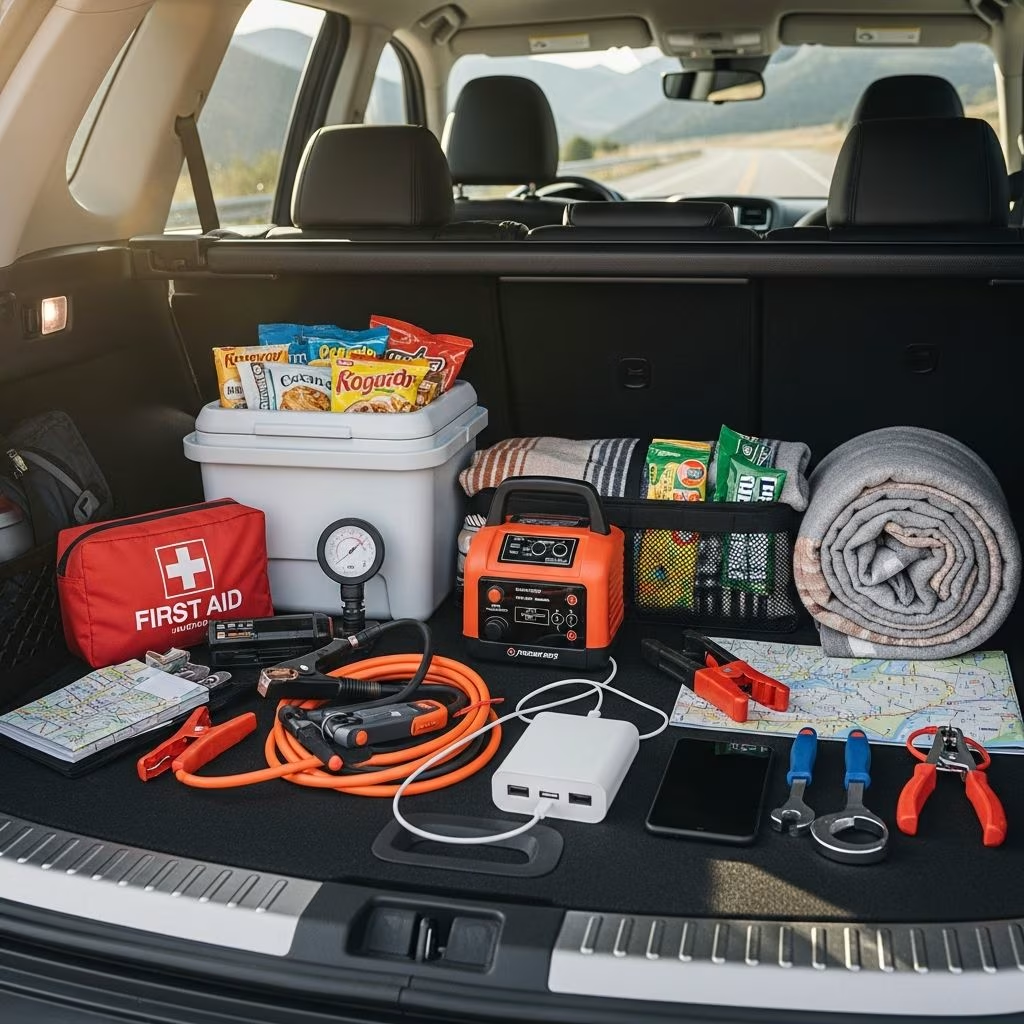
An stocked kit handles surprises like flats, dead batteries, or minor injuries. Keep it accessible in the trunk.
Customize for family trips with pet food, medications, or child essentials. Refresh perishables regularly.
Start with a full tank and map fuel stops using apps, prioritizing remote stretches. Monitor efficiency to stretch range.
Download offline maps and charge devices. Plan stops for rest, food, and sights to combat fatigue—drive no more than 8 hours daily.
Organize luggage to balance weight: heavy items low and centered. Secure loose items to prevent shifting.
Clean the car interior pre-departure for a fresh start.
For summer, service AC and check cooling systems against heat. Winter trips demand antifreeze checks and tire chains. Always pack season-specific gear like ice scrapers or sunshades.
Update registration, license, and insurance proofs. Consider roadside assistance like AAA. Inform someone of your itinerary.
Ideally 1-2 weeks to allow service time.
Basic ones yes, but pros for complex tasks like alignments.
Flat tires or dead batteries—prevent with checks.
Yes: battery range, charging stations, tire pressure critical.
Daily if hot or towing.
Thorough prep transforms potential headaches into seamless travels. Regular maintenance extends vehicle life too. Hit the road confidently!
