

Food & Culture Stays Travel Essentials Travel Guides Trip Ideas
Categories
From the Blog
Remy’s Ratatouille Adventure at EPCOT: Ride Review, Tips & 2D Update
Travel Essentials

How to Grocery Shop in Italy: Stores, Markets, and Tips

Discover how to shop for groceries like a true Italian: from bustling markets and supermarkets to weighing produce and payment tips. Save money and enjoy fresh local foods.
Travel Essentials

Italy’s grocery shopping scene blends tradition with convenience, offering everything from neighborhood corner stores to sprawling hypermarkets and lively open-air markets. Whether you’re a visitor renting an apartment or settling in long-term, understanding the local system helps you access fresh, affordable ingredients while immersing in daily Italian life. This guide covers store types, practical tips, regional variations, and digital alternatives to make your shopping efficient and enjoyable.

Understanding Italy’s Retail Landscape

Italian food shopping revolves around freshness, seasonality, and community. Unlike large one-stop shops in other countries, many Italians visit multiple vendors daily or weekly for peak-quality produce. Neighborhood shops foster personal relationships with owners, while supermarkets provide bulk buys. Markets pulse with energy, delivering farm-fresh goods directly to consumers.

Key distinctions include size and focus: small shops prioritize quality over quantity, supermarkets emphasize variety, and markets excel in ultra-fresh items. Prices vary—budget chains undercut mid-tier ones, but premium spots justify costs with superior taste.

Types of Grocery Venues

Italy boasts diverse outlets tailored to different needs. Here’s a breakdown:

  • Alimentari (Neighborhood Grocers): These family-run corner stores stock essentials like bread, pasta, cheeses, and household goods. Ideal for quick grabs, they often double as delis with hot lunches. Quality trumps volume, and chatting with owners builds rapport for perks like free samples.
  • Supermercati (Supermarkets): Medium-sized chains in urban areas offer one-stop convenience. Expect in-house bakeries, butchers, and produce sections. Freshness lags slightly behind specialists, yet they’re reliable for packaged goods.
  • Ipermercati (Hypermarkets): Massive stores on city outskirts mimic big-box retailers, stocking groceries plus electronics and clothing. Best for families stocking up monthly.
  • Discount Chains: Lidl and Eurospin lead for rock-bottom prices on basics. Limited selection but unbeatable for staples like milk and cereals.

Popular Supermarket Chains Comparison

ChainStrengthsBest ForPrice Level
Lidl/EurospinLow costs, basicsBudget shoppersLowest
CoopQuality balance, loyalty programsEveryday needsAffordable
ConadWide availability, fresh sectionsUrban dwellersModerate
EsselungaPremium produce, appsQuality seekersHigher
CarrefourInternational options, large sizesExpatsModerate-High

This table highlights top chains based on price-to-quality ratios. Coop and Esselunga often edge out for member discounts.

Vibrant Markets: Heart of Fresh Produce

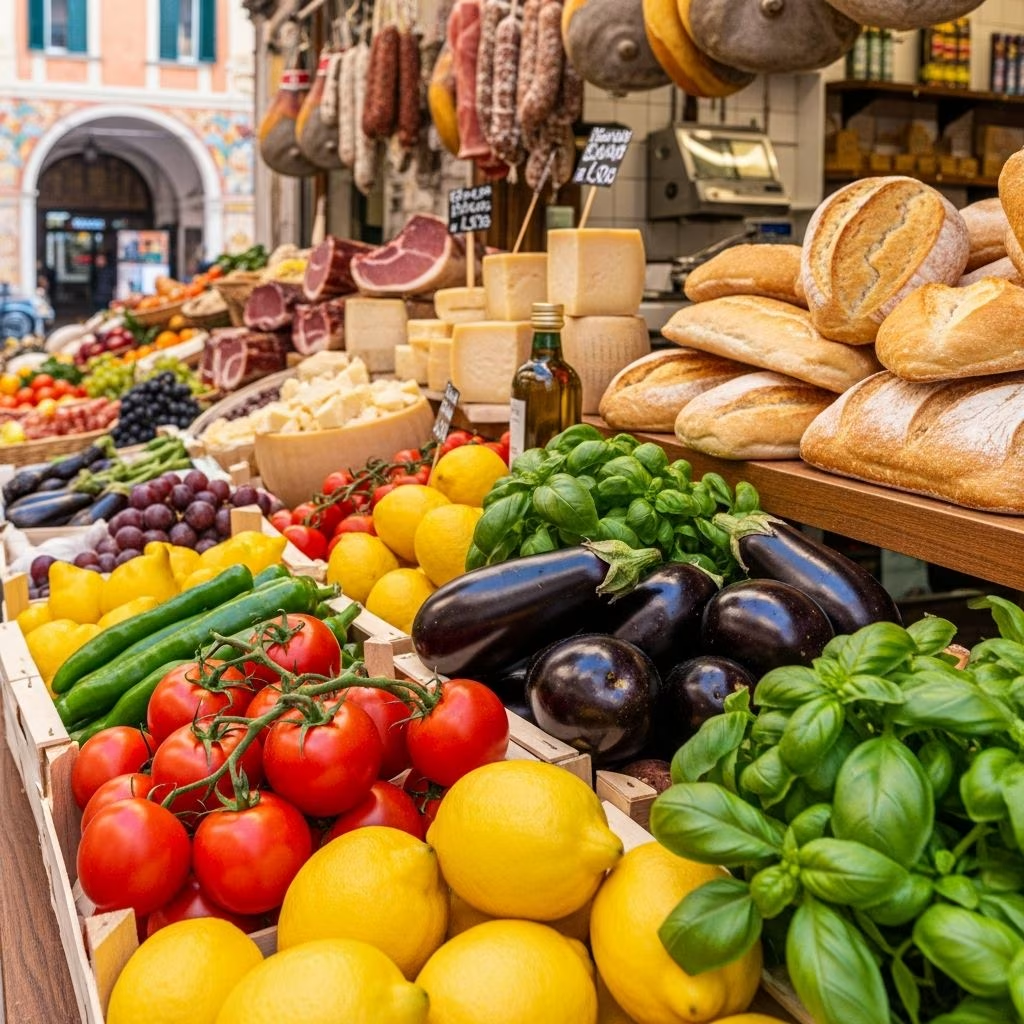
Open-air mercati are Italy’s culinary soul, especially for fruits, vegetables, meats, fish, and cheeses. Operating mornings in town squares or covered halls, they feature seasonal bounty from nearby farms. Quality shines—look for busy stalls packed with locals for the best picks.

Build vendor loyalty: regulars score extras or discounts. Use phrases like “per oggi” (for today) for ripe items or specify uses (e.g., baking apples). Markets vary by city:

  • Rome: Campo de’ Fiori (daily, central vibe); Testaccio Market (covered, gourmet focus).
  • Milan: Mercato di Viale Papiniano (Tues/Sat); Valvassori Peroni (Sat mornings).
  • Florence: Sant’Ambrogio (daily, local favorite over touristy ones).
  • Naples: Pignasecca (chaotic, ultra-fresh seafood).

Arrival early (8-11 AM) beats crowds; most close by 2 PM. Cash reigns supreme here.

Mastering Supermarket Etiquette

Italian stores demand self-sufficiency. Key rules:

  • Weigh Produce Yourself: Use department scales—select item pics/codes, bag if required, print sticker. No sticker? Checkout rejection awaits.
  • Bag Your Own: Clerks scan; you pack at journey’s end. Bags cost 5-10 cents—bring reusables.
  • Cart Deposits: Insert €1 coin to unlock; reclaim on return. Baskets are free for light loads.
  • Checkout Hustle: Keep line flowing—scan happens fast, bagging post-scan.

Aisles narrow, crowds peak evenings. Loyalty cards (free signup) unlock deals; ask “Carta fedeltà?”.

Payment and Savings Strategies

Cash rules small shops/markets (no cards often). Supermarkets accept cards, but carry euros for flexibility—large bills may bounce.

Save via:

  • Weekly flyers (scan at entry).
  • Points programs (Coop/Esselunga excel).
  • Seasonal buys—cheaper, tastier.

Specialty Shops for Authentic Flavors

True locals hit specialists:

  • Panifici (Bakeries): Warm bread daily—supermarket loaves pale.
  • Macellerie (Butchers): Custom cuts, advice.
  • Pescherie (Fishmongers): Day’s catch.
  • Caseifici (Cheese Shops): Regional gems like pecorino.
  • Rotiserie: Ready meals beating fast food.

These yield superior quality, though costlier.

Online Grocery Revolution

Post-pandemic, apps surged. Over 50% of Italians shop online (broadly), with groceries rising. Top picks:

  • Cortilia: Farm-direct organics, scheduled boxes.
  • Glovo: Quick deliveries from chains/markets.
  • Chain apps (Esselunga, Coop) for store stock.

Pay digitally; ideal for mobility-limited or remote stays.

Regional Twists Across Italy

North (Milan/Turin): Chain-heavy, upscale Esselunga dominance. Central (Rome/Florence): Market-centric, alimentari abound. South (Naples/Sicily): Chaotic markets, street vendors, seafood focus. Islands emphasize preserves, citrus.

Frequently Asked Questions (FAQs)

Do Italian supermarkets have English signs?

Rarely—apps translate, pictures help. Big chains have some bilingual.

Are stores open Sundays?

Limited; tourist areas yes, others no. Markets often skip.

How to spot seasonal produce?

Markets display it prominently; ask vendors for “di stagione”.

Can I use credit cards everywhere?

Supermarkets yes, markets/small shops no—carry €20-50 cash.

What’s the cheapest way to shop?

Discount chains + markets for produce. Loyalty cards amplify savings.

Essential Phrases for Shoppers

EnglishItalianPronunciation
For today (ripe)Per oggiPehr oh-jee
Weigh thisPesa questoPehr-sah kweh-stoh
Loyalty card?Carta fedeltà?Kahr-tah feh-del-tah
Bag pleaseSacca per favoreSahk-kah pehr fah-voh-reh

These unlock smoother interactions.

Embracing these habits transforms grocery runs into cultural adventures, yielding tastier meals at lower costs.

References

  1. Italian grocery stores: Doing groceries like a local — HousingAnywhere. 2023. https://housinganywhere.com/Italy/groceries-in-italy
  2. Italian supermarkets and grocery shopping — Expatica. 2023-10-15. https://www.expatica.com/it/living/household/italian-supermarkets-79836/
  3. Living in Italy: The Art of Grocery Shopping — JennyBlogs. 2020-06-25. https://jennyblogs.com/blog/2020/6/25/living-in-italy-the-art-of-grocery-shopping
  4. Grocery Shopping in Italy – How to Shop Like an Italian — Fearless Female Travels. 2023. https://fearlessfemaletravels.com/grocery-shopping-in-italy/
  5. Food Shopping in Italy: Grocery & Market Tips — Italy Explained. 2023. https://italyexplained.com/food-shopping-in-italy-grocery-store-market-tips/
SN
Sneha Tete
Sneha is a relationships and lifestyle…

Sneha is a relationships and lifestyle writer with a strong foundation in applied linguistics and certified training in relationship coaching. She brings over five years of writing experience to CultureTreker,  crafting thoughtful, research-driven content that empowers readers to build healthier relationships, boost emotional well-being, and embrace holistic living.Her writing and insights reflect the belief that beauty, happiness, and wellness begin from within, through the harmonious balance of the mind, body, and heart. With a background in instructional design and research writing, Sneha transforms complex topics into practical insights that are easy to understand and apply.Sneha has also self-published a novella on adolescent mental health, highlighting her ability to navigate emotionally layered topics with nuance and empathy. When she's not writing, you'll find her exploring storytelling through photography, diving into K-dramas, or enjoying quiet moments with her family and friends.

← Previous
Malawi Travel Guide: Lakes, Safaris & Adventure
‹›
