 Stays
StaysStays
How to Handle Hotel Room Damage and Avoid Unfair Charges
Learn how to handle accidental damage in hotel rooms, document incidents properly, communicate with staff, and understand your financial responsibilities.
 Stays
StaysAccidents happen when traveling. Whether you spill coffee on the carpet, accidentally break a lamp, or discover pre-existing damage in your room, understanding how to handle these situations properly can protect both you and the hotel. This comprehensive guide walks you through the essential steps for managing room damage, from initial discovery through resolution, ensuring you handle the situation professionally and fairly.
Conducting an Initial Room Assessment
The moment you enter your hotel room, take time to thoroughly inspect the space before unpacking or settling in. This preventive step is one of the most important actions you can take to protect yourself from being held responsible for damage caused by previous guests. Many travelers rush to drop their bags and relax, but a methodical walkthrough takes only 10-15 minutes and can save you significant hassle and expense.
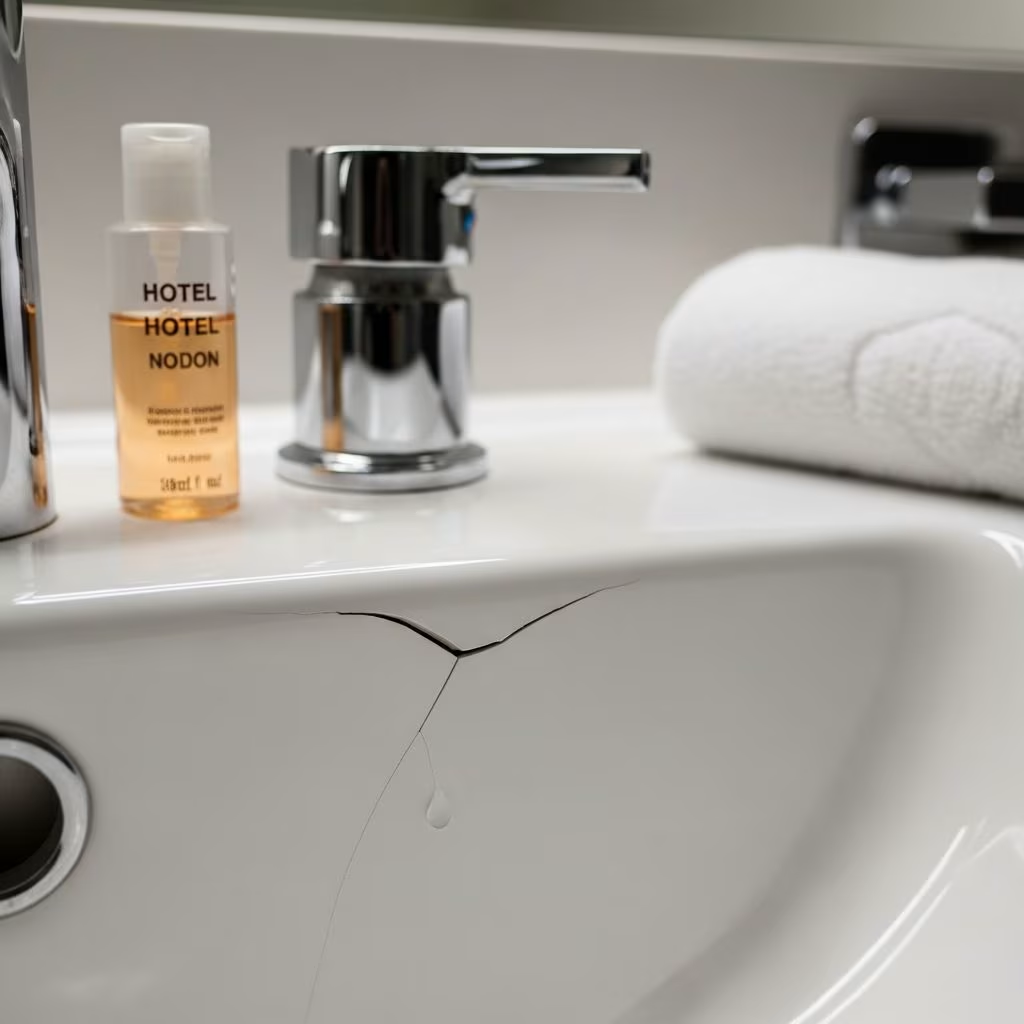
Begin by examining the flooring carefully, including both carpeted areas and tile or hardwood sections. Look for stains, discoloration, burns, or physical damage like tears or separations. Check all windows and glass surfaces for cracks or damage. Inspect linens and window treatments for rips, stains, or signs of wear that go beyond normal use. Test all electronic fixtures, including lights, the television, climate control systems, and bathroom amenities like faucets and ventilation fans.
Don’t overlook furniture and fixtures. Examine beds for damage to frames or mattresses, check chairs and tables for tears or broken components, and look for holes in walls or damage to artwork. Inspect bathroom fixtures thoroughly, including shower enclosures, toilet seats, and mirror integrity. Finally, look for any signs of previous guest smoking or pest issues, which hotels typically charge extra to remediate.
Documenting Pre-Existing Issues Effectively
Once you identify any existing damage or cleanliness issues, immediately document everything with photographs and written notes. This documentation becomes your protection against charges for problems you didn’t cause. Use your smartphone camera to capture clear images from multiple angles, including wide shots showing the location of damage and close-up details that highlight specific issues.
Request a notepad or use the hotel’s incident report form to record details including the room number, date and time of discovery, a specific description of each issue, and the location within the room. Instead of vague descriptions like “damaged furniture,” write precise details: “The nightstand has a 3-inch crack on the left side,” or “The bathroom mirror has a chip in the lower right corner approximately the size of a quarter.” This specificity prevents disputes about what damage existed when you arrived.
Next, inform hotel staff immediately. Call the front desk or visit in person to report your findings. Hotel management can then update their records and potentially move you to a different room or offer compensation for the inconvenience. This contemporaneous notification creates an official record that protects you if the hotel attempts to charge you for pre-existing damage after checkout.
Understanding Your Liability for Accidental Damage
If you accidentally damage something during your stay, understanding your potential liability helps you respond appropriately. Hotels expect guests to use rooms reasonably, and most accidents—such as spilling a beverage or knocking over a lamp—can be resolved without significant charges, particularly if you handle them promptly and professionally.
Accidental damage differs from negligence or intentional destruction. A spilled drink causing a carpet stain, a broken glass, or an accidentally broken drawer handle typically fall into the accidental category. Hotels recognize that accidents are part of operating a hospitality business, and many property managers prioritize maintaining guest relationships over extracting maximum repair costs for minor incidents. However, damage from smoking in non-smoking rooms, burning furniture with cigarettes, or stains from other prohibited activities represents a different category of liability with higher associated charges.
The cost of repairs varies significantly. According to hospitality industry standards, replacing a nightstand lamp averages $80, while repairing carpet stains might cost $150-$300 depending on the size and type of stain. Charges for smoke-related damage in non-smoking rooms can range from $150 to $250 or higher. Understanding these potential costs emphasizes the importance of being careful with hotel property and addressing accidents immediately when they occur.
Immediate Response Steps After Causing Damage
If you cause damage to your room, your immediate response significantly influences whether you’ll be charged. First, assess the damage honestly. Determine whether the damage is minor and easily repairable, or substantial and requiring professional restoration. Stop the damage if it’s ongoing—for example, turn off water from a leaking faucet you’ve accidentally damaged.
Your next step is crucial: contact the front desk immediately and explain what happened. Honesty and promptness significantly increase the likelihood that hotel management will either waive charges entirely or substantially reduce them. Many hotels view maintaining a positive relationship with guests as more valuable than collecting repair costs, especially for accidental damage that doesn’t reflect poor hotel maintenance.
When speaking with front desk staff, use straightforward language without making excuses. For example: “I accidentally knocked over the desk lamp and it broke. I wanted to report this right away.” Avoid defensive language or attempts to minimize the incident. If the damage occurred during a minor accident (such as you tripping and breaking a chair leg), explain the circumstances factually and briefly.
Proper Documentation and Communication with Hotel Staff
Once you’ve reported damage, hotel staff will typically document the incident in the property management system. Request written confirmation of the report, including the date, time, damage description, and any discussion about charges or resolution. This documentation protects both parties and creates an official record.
If the hotel staff member doesn’t proactively discuss charges, ask directly about potential costs. This conversation allows you to understand expectations and prevents surprise charges appearing on your final bill. Some hotels may discuss repair estimates, while others simply note the incident for assessment after you leave.
Maintain a professional tone throughout all interactions with hotel staff. Remember that front desk employees aren’t personally responsible for damage charges and are simply following hotel protocol. Politeness and respect increase the likelihood of favorable resolution, while argumentative or dismissive behavior typically results in harsher treatment and full charges.
Handling Disputes About Damage Responsibility
Occasionally, disputes arise about whether damage existed before you arrived or resulted from your actions. If a hotel charges you for damage you didn’t cause or believe was pre-existing, take systematic action to address the discrepancy.
First, review your documentation. If you photographed pre-existing damage during check-in, you have strong evidence supporting your claim. Contact the hotel’s management office in writing (email is preferable for documentation purposes) within 24-48 hours of discovering the charge. Include your room number, dates of stay, copies of your documentation photos, and a clear explanation of why you believe the charge is incorrect.
If the hotel doesn’t respond satisfactorily or refuses to reverse the charge, contact your credit card company to dispute the charge. Most credit card issuers protect cardholders from charges for damage they didn’t cause when proper documentation supports the claim. Provide the credit card company with your email correspondence with the hotel, your room inspection photos, and your detailed explanation.
Prevention Strategies for Damage Avoidance
While accidents happen, following several practices significantly reduces the likelihood of damage occurring:
- Handle items carefully: Use coasters under beverages, place toiletries securely in bathrooms, and set down items deliberately rather than dropping them
- Respect smoking policies: If your room is non-smoking, never smoke cigarettes or vape inside, as these violations result in substantial charges
- Use fixtures appropriately: Don’t overload shelves or cabinets, avoid sitting on windowsills or railings, and use bathroom equipment as intended
- Report maintenance issues immediately: If a fixture is loose or malfunctioning, notify staff rather than attempting DIY repairs that could cause damage
- Keep food and beverages away from furniture: Eat at designated areas like tables or desks rather than on beds or chairs
- Supervise children closely: If traveling with family, actively monitor children to prevent them from damaging property
Understanding Hotel Damage Policies
Hotels maintain damage policies to protect their assets while treating guests fairly. These policies typically outline which damages guests are responsible for, charge scales for common damage types, and procedures for dispute resolution. Request a copy of the damage policy during check-in or ask the front desk staff to explain it verbally.
Most policies distinguish between different damage categories. Normal wear and tear—such as slightly worn carpet, faded furniture, or marks from typical use—remains the hotel’s responsibility. Accidental damage that’s quickly reported often results in reduced or waived charges. Intentional destruction, smoking violations, or damage from prohibited activities typically results in full repair costs without exception.
Frequently Asked Questions
Will my security deposit cover accidental damage charges?
Security deposits, when required, typically cover damage costs only if the charge is reasonable and directly related to the damage. You can dispute unreasonable charges through your credit card company, even after a security deposit has been applied.
Can hotels charge for damage I didn’t witness occurring?
Hotels cannot charge you for damage they cannot prove you caused. Insist on documentation and refuse charges for damage that could have existed before your arrival. Your check-in photos provide strong evidence in these disputes.
What if damage is discovered after I’ve checked out?
Hotels may contact you after checkout to report damage and request payment. You have the right to dispute charges and request proof of when the damage occurred. Ask for photos of the damage and any evidence connecting you to the incident.
Are there legal protections for guests against unfair damage charges?
Consumer protection laws vary by location, but most jurisdictions require hotels to prove that guests directly caused damage before charging them. Credit card companies also provide chargeback protections when guests dispute damage charges.
Should I purchase travel insurance that covers accidental damage?
Travel insurance policies vary widely in coverage. Some policies cover accidental damage you cause to hotel rooms, while others don’t. Review policy details carefully before purchasing to understand what’s actually covered.
Best Practices for Different Damage Scenarios
| Damage Type | Immediate Action | Communication Approach |
|---|---|---|
| Spilled beverages | Inform staff immediately, they can begin cleanup | Apologize and offer to pay for cleaning if required |
| Broken furniture or fixtures | Report to front desk, avoid using damaged item | Explain honestly how it happened, ask about costs |
| Accidental wall damage | Note the damage, report during checkout | Describe incident factually, discuss repair options |
| Smoking odor or burns | Notify staff immediately if you caused it | Accept responsibility and expect significant charges |
| Pre-existing damage | Document with photos, report at check-in | Request official incident report to protect yourself |
Making Claims and Resolving Financial Disputes
If you’re charged for damage after checkout, you have multiple resolution paths. Start by contacting the hotel directly with your documentation. Many hotels reverse charges when confronted with evidence that damage was pre-existing or when they recognize the dispute is legitimate.
If direct negotiation fails, involve your credit card issuer. Provide the card company with all relevant documentation, including your check-in photos, correspondence with the hotel, and your detailed explanation. Credit card companies often side with cardholders when evidence demonstrates the charges are unfair.
For significant amounts or repeated issues with the same hotel, consider reporting the hotel to tourism boards, consumer protection agencies, or travel review platforms. These organizations investigate patterns of unfair charges and may take action against hotels that systematically overcharge guests.
References
- Dealing with Room Damage: A Housekeeping Guide — Hospitality Institute. 2024. https://hospitality.institute/bha106/room-damage-housekeeping-guide/
- How to Avoid a Hotel Charge After Checkout (Checklist) — Corpay Lodging. 2024. https://www.corpaylodging.com/news/protect-your-company-against-these-surprising-hotel-damages
On This Page
Conducting an Initial Room Assessment Documenting Pre-Existing Issues Effectively Understanding Your Liability for Accidental Damage Immediate Response Steps After Causing Damage Proper Documentation and Communication with Hotel Staff Handling Disputes About Damage Responsibility Prevention Strategies for Damage Avoidance Understanding Hotel Damage Policies Frequently Asked Questions Best Practices for Different Damage Scenarios Making Claims and Resolving Financial Disputes← Previous
Apostle Islands Ice Caves Reopen in Rare Lake Superior Freeze
Next →
Are Cruises All-Inclusive? What’s Really Included
Related Reading