 Stays
StaysStays
How to Hide Valuables Safely in a Hotel Room
Learn proven strategies to safeguard valuables in hotel rooms, from disguised hiding spots to daily security habits that deter theft effectively.
 Stays
StaysTraveling with expensive items like jewelry, electronics, passports, and cash requires vigilance, especially in hotel rooms where theft risks persist despite security measures. Professional thieves target obvious spots, so using creative concealment methods can significantly reduce vulnerability. This guide explores practical techniques drawn from traveler experiences and safety experts to keep possessions secure without relying solely on in-room safes, which often have master override codes accessible to staff.
Understanding Hotel Theft Risks
Hotels attract opportunists who exploit brief access windows during housekeeping or when guests step out. Data from travel insurance claims shows that room break-ins account for a notable portion of losses, often involving items left in plain sight. Common targets include laptops on desks, wallets in bags, and jewelry on nightstands. By anticipating these threats, travelers can adopt proactive defenses.
Key risks include:
- Housekeeping staff entering unattended rooms.
- Thieves posing as service personnel using duplicate keys or keycards.
- Quick scans by intruders who prioritize visible high-value items.
To counter this, focus on misdirection: make your room appear unappealing to thieves by scattering low-value items while concealing valuables in unexpected places.
Daily Habits for Enhanced Room Security
Prevention starts with routines that minimize exposure. Before leaving your room, conduct a quick sweep to ensure nothing valuable is exposed. Photograph all items spread on the bedspread upon arrival—this creates a timestamped record for insurance or hotel disputes if items go missing.
Other essential habits:
- Request housekeeping only when present, or leave the door ajar for safety while supervising.
- Play low-volume music from the bathroom to simulate occupancy.
- Avoid sharing itineraries with front desk staff.
Maintain a tidy yet disorganized appearance: position items precisely so any disturbance is immediately noticeable. A spotless room signals a cautious occupant, deterring casual thieves.
Securing Keys and Access Points
Hotel keys are a primary vulnerability. For physical keys with room-number tags, detach the tag immediately and store it inside the room, carrying only the key on your person or wallet. This prevents thieves from knowing which door it unlocks if lost or stolen.
Keycards often come in folders printed with room numbers—ditch the folder in your room and pocket the card alone. Test electronic locks by ensuring they require the card each time, and consider secondary locks like door jammers for added protection.
| Key Type | Risk | Solution |
|---|---|---|
| Physical Key w/ Tag | Reveals room number | Remove tag, leave in room |
| Keycard w/ Folder | Printed room info | Discard folder inside |
| Electronic Lock | Potential duplicates | Use door jammer |
Portable Safes and Luggage Locks
Distrust built-in safes due to staff override access. Instead, invest in portable safes—compact, cable-secured units that attach to furniture or even car seats. These feature user-set codes without hotel master keys.
For luggage, zip bags fully and secure zipper pulls with TSA-approved locks or sturdy zip ties. This alerts you to tampering. For extra security, loop a cable lock through zippers and around a bed frame, making it harder to access contents quickly.
Clever Hiding Spots Inside the Room
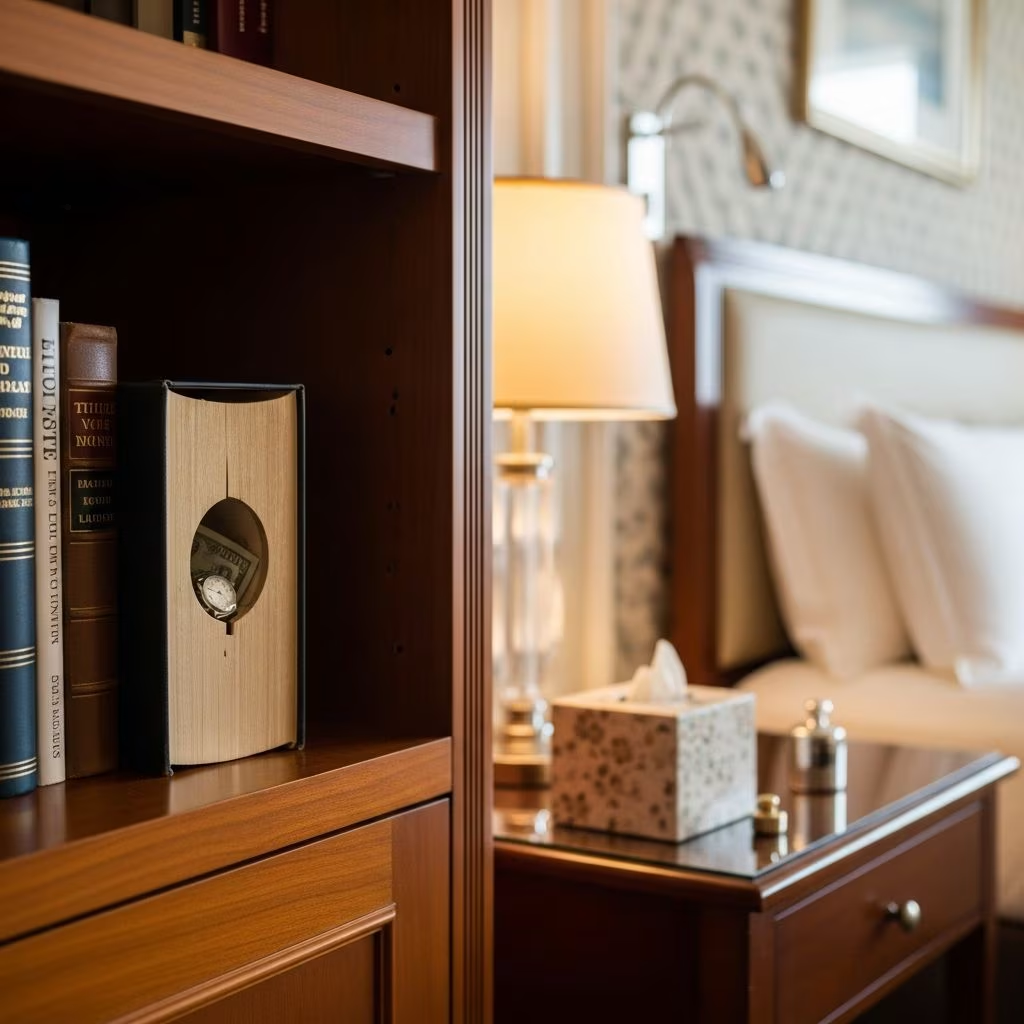
The best defense is concealment in places thieves overlook during rapid searches. Prioritize spots that blend with everyday items, avoiding anything too obvious like under mattresses.
Appliance and Fixture Concealments
Unused kitchenettes offer prime opportunities:
- Microwave or Mini-Fridge: Place laptops or tablets inside—thieves rarely check appliances in a 10-second sweep.
- Hollowed-Out Deodorant Stick: Empty a stick (or buy pre-made) to stash cash or rings; it looks like toiletries.
- Behind Loose Outlet Covers: Unscrew and store small items, but note electrical risks and restore carefully.
Clothing and Linen Disguises
Laundry bags and clothing provide natural camouflage:
- Rolled Socks or Underwear: Slip jewelry or cards into sock balls at the drawer bottom.
- Pillowcases or Duvet Layers: Tuck items between mattress and box spring, or sew shallow pockets into linens if prepared.
- Hanger Pockets: Use hangers with built-in secret compartments for passports.
Bathroom and Cleaning Supply Hides
Bathrooms deter searches due to messiness:
- Shampoo Bottles: Transfer valuables into emptied, resealed bottles.
- Cleaning Caddy: Hide in hotel-provided supplies, as thieves avoid them.
- Toilet Tank: Waterproof bags with cash in a sealed container.
Pro tip: Distribute items across multiple spots to limit losses if one is found.
Advanced Techniques for High-Risk Areas
In budget hotels or hostels, escalate tactics. Use decoy wallets with small cash to distract from real hides. For electronics, wrap in clothing inside drawers, buried under linens.
Consider body-carrying for irreplaceables: money belts or bra compartments for cash and cards during outings. Upon return, redistribute to room hides.
Tech-Enabled Protections
Modern tools boost security:
- Portable GPS trackers in luggage (e.g., AirTags).
- Door alarms that sound on unauthorized entry.
- Hidden cameras (check local laws).
Apps for virtual safes encrypt digital valuables like photos of documents.
When to Use Hotel Safes Anyway
Despite risks, safes work for bulky items if you set a unique code and test it. Notify front desk of usage to log access. Combine with other methods for layers of defense.
Insurance and Reporting Protocols
Document everything: photos, receipts, room details. Travel insurance often covers theft—file claims promptly with police reports. High-end hotels may compensate verified losses.
Frequently Asked Questions
Are hotel in-room safes truly secure?
No, due to master override codes known to staff. Opt for portables.
What if housekeeping finds my hidden items?
Inform them politely upon return; reputable staff leave items untouched.
Can I hide valuables in the hotel gym or pool area?
Avoid it—use lockers if available, but prefer room hides.
How do I secure items during beach days?
Portable safes locked to furniture; minimize what you take.
What’s the best for international travel?
Distribute across body, room, and trusted hotel safe; photograph all.
Final Thoughts on Travel Security
Layered strategies—habits, locks, hides—outsmart most threats. Stay aware, trust instincts, and enjoy worry-free adventures. (Word count: 1678)
References
- How to keep your stuff safe in a hotel room — CoverTrip. N/D. https://covertrip.com/travel-safety-tips/how-to-keep-your-stuff-safe-in-a-hotel-room
- 9 STRANGE Tricks That Stop Hotel Theft Instantly — YouTube (Mitch). N/D. https://www.youtube.com/watch?v=S5h8b3JaO7A
On This Page
Understanding Hotel Theft Risks Daily Habits for Enhanced Room Security Securing Keys and Access Points Portable Safes and Luggage Locks Clever Hiding Spots Inside the Room Advanced Techniques for High-Risk Areas Tech-Enabled Protections When to Use Hotel Safes Anyway Insurance and Reporting Protocols Frequently Asked Questions Final Thoughts on Travel Security← Previous
30 Most Beautiful College Campuses in the U.S.
Next →
Seattle Ranks as America’s Most Livable City
Related Reading