

 Travel Essentials
 Travel Essentials

Host a Downton Abbey-inspired gathering with period cocktails, elegant decor, formal dress, and refined etiquette for a truly memorable evening.
 Travel Essentials
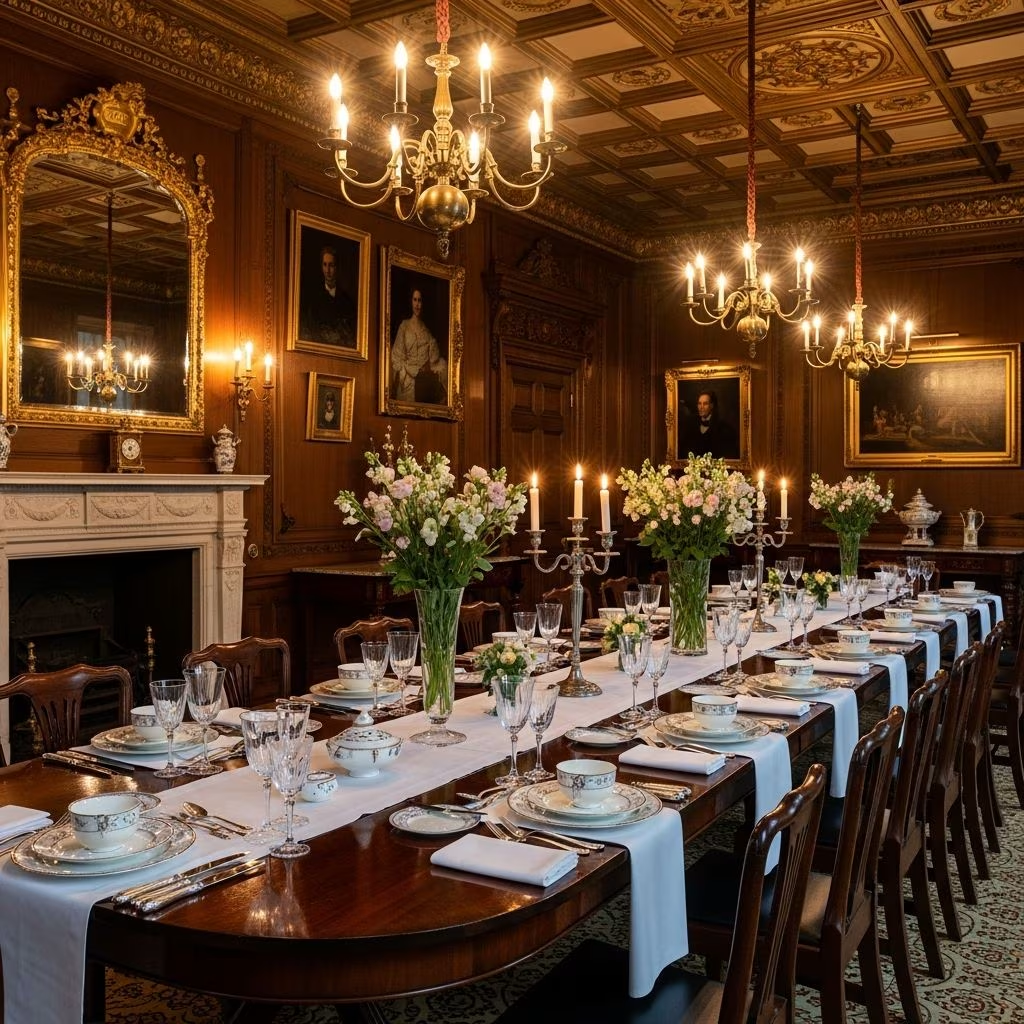
The allure of Downton Abbey extends far beyond the screen, inspiring millions to reimagine their own social gatherings with the sophistication and refinement characteristic of early twentieth-century British aristocracy. Whether you’re a devoted fan of the series or simply appreciate the aesthetic of gracious living, hosting a themed event allows you to step into a world of elegance, proper etiquette, and carefully curated experiences. This comprehensive guide explores how to translate the charm and sophistication of the Abbey into your own entertaining endeavors.
The world of Downton Abbey centers on a specific historical moment when formal entertaining followed strict protocols. The 1920s and 1930s represented a transitional period in British society where traditional customs persisted alongside modernizing influences. Understanding these conventions provides the foundation for authentic entertaining.
During this era, social gatherings served distinct purposes and followed particular rhythms. The cocktail hour emerged as a defining feature of sophisticated entertaining, representing a bridge between afternoon activities and evening dinner. This custom reflected both American influence and evolving attitudes toward social interaction among the upper classes. The ritual of gathering before dinner allowed guests to converse, dress in formal attire, and establish the evening’s tone.
Etiquette during this period emphasized formality in dress, seating arrangements, and conversation topics. Host and hostess responsibilities were clearly defined, with specific expectations about how guests should be received, entertained, and dismissed. These conventions, while sometimes constraining by modern standards, created a sense of order and predictability that many find appealing when recreating the era in contemporary settings.
The centerpiece of any period-inspired gathering is the carefully selected array of beverages. The cocktail hour during the 1920s and 1930s featured drinks that reflected both British tradition and the influence of American prohibition-era innovation. Developing an authentic drinks menu requires understanding both classic recipes and the spirits that defined the era.
When selecting spirits for your gathering, consider sourcing a quality gin, as this spirit formed the foundation of numerous period cocktails. Exploring distilleries that produce traditional London Dry style gins can enhance the authenticity of your event. Similarly, selecting an aged rum or quality cognac demonstrates attention to detail that guests will appreciate.
The physical environment shapes the entire experience of your gathering. Creating an authentic atmosphere requires attention to multiple sensory elements that work together to transport guests to the era.
Lighting: The warm glow of candles and soft electric light characterized entertaining during this period. Consider using table lamps with fabric shades that diffuse light warmly, supplemented by strategically placed candelabras. Avoid harsh overhead lighting, which creates an uninviting atmosphere inconsistent with period entertaining practices.
Furnishings and Décor: Period-appropriate furniture featuring clean lines and quality materials reflects the design sensibilities of the era. Art Deco influences appeared in many sophisticated homes of the 1920s and 1930s, introducing geometric patterns and luxurious materials. Incorporating elements such as mirrors, metallic accents, and patterned textiles creates visual interest while maintaining period authenticity.
Floral Arrangements: Elegant flower arrangements in strategic locations contribute significantly to the overall ambiance. During this era, hosts favored arrangements featuring garden flowers and greenery, often displayed in fine porcelain or silver vessels. Roses, peonies, and hydrangeas represented popular choices among those seeking to create impressive displays.
Musical Selection: Background music establishes the emotional tone of your gathering. Jazz, orchestral pieces, and popular songs from the 1920s and 1930s create an authentic soundtrack. Consider featuring instrumental arrangements rather than vocal performances during the cocktail hour, allowing conversation to remain the primary focus of entertainment.
The formality of dress during this era communicated respect for both the occasion and the host. Establishing clear expectations about appropriate attire ensures that your guests feel confident in their choices while maintaining the sophistication you’re cultivating.
For men, black tie or dinner jacket with appropriate formal wear represented the standard for sophisticated entertaining. White dress shirts with appropriate studs and cufflinks, combined with bow ties or formal neckties, completed the ensemble. Polished shoes and carefully groomed appearance underscored the importance guests placed on the occasion.
Women’s evening wear during this period featured elegant silhouettes, often with beaded or sequined embellishments reflecting the glamorous spirit of the Jazz Age. Shorter hemlines compared to previous decades represented a modernizing influence, while fabrics such as silk and satin conveyed luxury. Accessories including pearl strands, evening bags, and formal jewelry completed the ensemble.
As host and hostess, your presentation sets the standard for the entire gathering. Investing in appropriate formal wear that reflects the era demonstrates your commitment to creating an authentic experience. Your guests will feel more confident in their own efforts when they observe the care you’ve taken with your appearance.
While conversation remains the primary entertainment during a sophisticated cocktail hour, thoughtfully selected activities can enhance the experience without overwhelming guests or disrupting the social focus of the gathering.
If your gathering extends beyond the cocktail hour to include dinner, menu selection becomes increasingly important. Period-appropriate cuisine reflects both the ingredients available during the era and the sophisticated cooking techniques that defined haute cuisine of the time.
Consider featuring dishes that showcase classical French culinary techniques, which influenced upscale British cooking during this period. Preparations such as consommé, sole meunière, roasted game birds, and elaborate desserts demonstrate the culinary sophistication expected at formal gatherings. Sourcing quality ingredients and executing dishes with precision honors the traditions you’re celebrating.
The progression of courses follows the formal dinner structure of the era: aperitif, soup, fish course, main course with vegetables, salad, cheese, and dessert. This structure creates a deliberate pacing that distinguishes formal entertaining from casual dining and allows for conversation to develop naturally between courses.
Most formal gatherings during this era accommodated between eight and twenty guests, allowing for meaningful conversation while maintaining an atmosphere of controlled elegance. Larger gatherings required more elaborate planning and additional staff assistance.
Specialty wine and spirits retailers often stock selections from established distilleries that produce traditional styles. Researching distilleries with long histories and reading reviews helps identify quality options that reflect the era’s standards.
As host, establishing a welcoming atmosphere where guests feel comfortable supersedes rigid adherence to historical protocol. Gentle guidance and modeling appropriate behavior allows guests to participate authentically without feeling judged or excluded.
Thoughtful integration of contemporary conveniences while maintaining the aesthetic and social conventions of the era creates a practical approach to period entertaining. Focus on preserving the spirit and atmosphere rather than rejecting all modern elements.
During formal cocktail hour, seating was minimal, with guests standing and circulating. If incorporating seated activities, consider placing individuals strategically to encourage conversation and prevent isolated clusters.
Creating lasting memories of your gathering allows guests to continue appreciating the experience beyond the evening itself. Providing thoughtful favors such as printed menus, photographs, or small gifts with period-appropriate packaging demonstrates attention to detail and creates tangible reminders of the occasion.
Encouraging guests to share their experiences and photographs creates a collective memory of the event. Some hosts create dedicated websites or social media albums documenting the gathering, allowing distant friends and family members to participate vicariously in the experience.
Hosting a Downton Abbey-inspired gathering represents more than recreating historical accuracy; it involves embracing a philosophy of entertaining that prioritizes guest comfort, thoughtful preparation, and the creation of memorable shared experiences. By understanding the social conventions, carefully selecting libations, establishing appropriate atmosphere, and attending to the numerous details that distinguish formal entertaining from casual socializing, you create an opportunity for your guests to step outside their everyday lives and participate in an evening of genuine elegance.
The appeal of this style of entertaining persists because it addresses fundamental human desires for beauty, refinement, and meaningful social connection. Whether your guests are devoted fans of the series or simply appreciate sophisticated entertaining, your careful attention to the elements that define the era allows them to experience the magic of gracious living firsthand.
