 Stays
StaysStays
How to Leave a Hotel Room at Checkout: Etiquette Checklist
Learn the essential guidelines for departing your hotel room respectfully, balancing guest comfort with housekeeping efficiency and avoiding unexpected charges.
 Stays
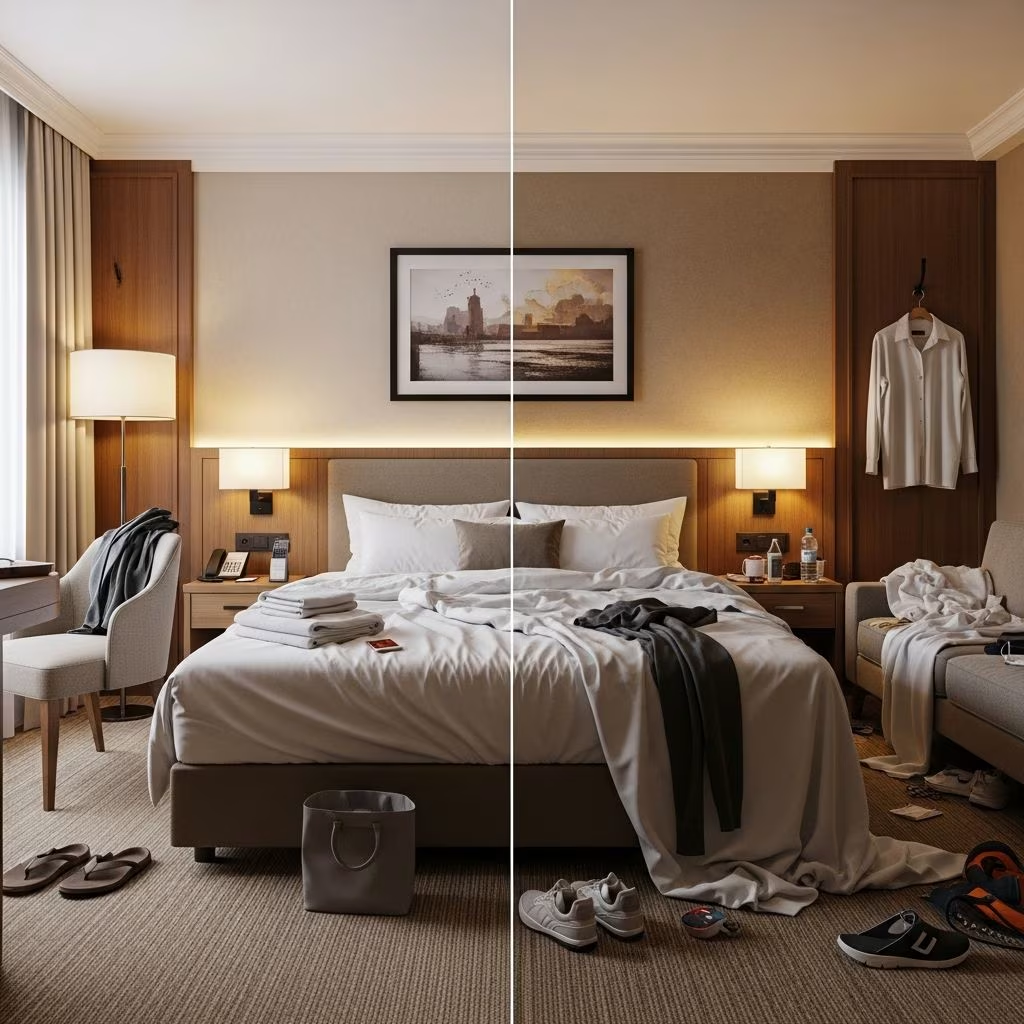
StaysWhen your hotel stay concludes, the way you leave your room speaks volumes about your character as a traveler. The departure process represents a final interaction between guests and the hospitality staff who have worked to make your experience comfortable. Understanding the appropriate balance between leaving a room reasonably clean and respecting the housekeeping team’s professional role is essential for responsible travel. This guide explores the expectations, practical steps, and etiquette standards that define a courteous hotel checkout.
Understanding the Housekeeping Perspective
Hotel housekeeping staff face demanding schedules with limited time to prepare each room for subsequent guests. The standard timeframe for completing a room turnover typically ranges from 20 to 30 minutes when the space is left in reasonable condition. However, when guests leave rooms in severely compromised states—with scattered belongings, excessive trash, stained linens, or broken items—housekeeping teams must allocate significantly more time, which disrupts their entire daily schedule and impacts their ability to serve other guests effectively.
The nature of hospitality work means that housekeeping staff often earn modest wages while handling physically demanding responsibilities. Recognizing their efforts and minimizing unnecessary complications represents a fundamental courtesy that many travelers overlook. When a room requires extensive remediation due to guest negligence, it can cascade through the hotel’s operations, delaying check-ins for arriving guests and creating a bottleneck in the facility’s workflow.
The Foundation: Basic Room Organization
The cornerstone of responsible checkout begins with treating your temporary accommodation as you would a friend’s home. This principle transcends formal rules and taps into genuine courtesy. Rather than attempting to achieve sterile perfection, focus on creating an organized, navigable space that allows housekeeping professionals to perform their specialized cleaning duties efficiently.
Begin by consolidating scattered items. Personal belongings should be gathered and removed from the room entirely, not left abandoned in drawers, under beds, or on furniture. Used towels warrant particular attention—rather than leaving them draped over various surfaces, pile them neatly in the bathroom, ideally in the bathtub or on the bathroom floor where housekeeping expects to find them. This simple act of consolidation prevents items from being overlooked or accidentally damaged during cleaning.
Trash and refuse require intentional management. Rather than leaving food wrappers, empty bottles, or discarded items scattered throughout the room, deposit all garbage into designated waste receptacles. If your room includes separate recycling bins, utilize them appropriately for bottles, cans, and paper products. Removing bulky items like takeout containers or packaging boxes reduces the volume housekeeping must handle and demonstrates environmental consciousness.
Addressing Spills and Accidental Damage
Accidents occur during any extended stay. Wine spills on carpeting, juice stains on bedding, or broken items happen to conscientious travelers. The critical distinction lies in how guests respond to these mishaps. Rather than attempting to conceal damage or leaving stains for staff to discover, transparency and immediate communication represent the appropriate course of action.
When spills or breakage occurs, contact the front desk or housekeeping directly. Hotel management understands that accidents are part of normal operations and generally adopts a forgiving approach when guests report incidents promptly. Early notification allows staff to assess damage comprehensively, implement appropriate cleaning or repair procedures, and document incidents for billing purposes if necessary. This approach prevents misunderstandings during checkout and demonstrates integrity as a guest.
Small spills can be mitigated through immediate blotting with available materials—using hotel-provided towels to absorb liquids prevents stains from setting into fabrics. However, do not attempt professional-grade carpet cleaning or stain removal, as improper techniques often exacerbate damage. Your responsibility ends with reporting the issue; housekeeping possesses the specialized knowledge and materials to address most situations properly.
Managing Food, Beverages, and Perishables
Food and beverage items left in guest rooms create compounded challenges for housekeeping teams. Forgotten meals can spoil, attracting pests or creating unpleasant odors that compromise the room’s cleanliness for hours or days. Half-consumed beverages left on nightstands or desks can spill, stain surfaces, and create sticky residue that requires extensive cleaning.
Conduct a thorough inventory of food and drink items before checkout. Consume what remains, dispose of partially-eaten meals in trash receptacles, and empty all beverages from cups and glasses. This practice prevents accidental spills during room servicing and eliminates potential pest problems. Additionally, check the refrigerator if your room includes one—water bottles, condiments, and food items are frequently forgotten in this location, creating unnecessary work and potentially taking up storage space the hotel needs for incoming guests.
Bed Configuration and Linen Management
A common misconception involves guest responsibilities regarding bedding. Housekeeping staff do not expect guests to change or wash linens; this constitutes a core component of their professional duties. However, thoughtful guests can facilitate the process through simple gestures. Rather than leaving bedding in a tangled, compressed mass, gather sheets and pillowcases into a relatively neat pile on the mattress. If you’ve removed cushions, pillows, or decorative bedding, return them to their original positions.
Some travelers prefer stripping beds entirely, removing all linens and placing them in a central location. While this gesture is not required and exceeds standard expectations, housekeeping generally appreciates the consideration. If you choose to strip your bed, keep removed linens together in one area to prevent items from being overlooked or accidentally left behind during checkout.
Furniture and Room Configuration Restoration
During your stay, you may have repositioned furniture to accommodate personal preferences or special needs. Returning furniture to its original configuration represents a straightforward courtesy that prevents housekeeping from wondering whether items have been misplaced or damaged. Take a moment to observe the room layout as you remember it from arrival, and reposition any chairs, tables, or other movable items accordingly.
This principle extends to any equipment or supplies you’ve relocated. If you moved a desk lamp to the bedroom or repositioned a chair to access an outlet, return these items to their original locations. Small adjustments like this demonstrate awareness of the shared space and respect for the room’s intended design.
Energy Efficiency and Resource Conservation
Before departure, attend to the room’s energy usage and climate control. Turn off lights, television, computer monitors, and any other electronic devices you’ve activated during your stay. This action reduces unnecessary energy consumption and lowers the hotel’s operational costs—a benefit that ultimately affects pricing and sustainability for all guests.
If your room features a thermostat, adjust the temperature to a moderate setting rather than leaving it at extreme levels. Heating or cooling an unoccupied room wastes substantial energy. Setting the temperature to approximately 72 degrees Fahrenheit (or 22 degrees Celsius) in most climates represents an appropriate neutral position that doesn’t burden the facility’s systems.
The Importance of Timely Departure
Respecting the designated checkout time constitutes a critical but often-overlooked dimension of responsible guest conduct. Standard checkout times exist because housekeeping teams operate on precise schedules designed to prepare rooms for incoming guests. When guests extend their stays beyond checkout time without prior arrangement, they disrupt this carefully orchestrated workflow.
If you anticipate needing additional time in your room, request late checkout during your initial booking or contact the front desk well in advance of the standard checkout time. Advance notice allows hotel management to accommodate your request when possible and enables housekeeping to adjust their schedules accordingly. Arriving at checkout time ensures the facility can operate smoothly and that subsequent guests receive their rooms on schedule.
Personal Belongings and Forgotten Items
Before leaving your room, conduct a systematic final inspection. Check the closet for clothing or bags, examine bathroom shelves and the area around the sink for toiletries and grooming items, look under beds and furniture for items that may have rolled away, and inspect all drawers, including nightstand drawers and desk compartments. Electronic chargers represent particularly common forgotten items, often left plugged into outlets or on desks.
This final walkthrough prevents the frustration and inconvenience of losing personal items. While many hotels maintain lost-and-found departments and attempt to reunite guests with forgotten possessions, the process involves mailing expenses and staff time. A quick visual sweep before closing the door eliminates this complication entirely.
Reporting Maintenance Issues and Damage
Should you discover maintenance problems during your stay—such as malfunctioning air conditioning, plumbing issues, or broken furniture—report these issues to the front desk promptly. Do not attempt to repair items yourself, as this can create liability issues and may worsen problems. Hotel maintenance staff possess appropriate training and tools to address technical issues safely and professionally.
If you accidentally cause damage—breaking a lamp, tearing curtains, or staining furniture—inform management immediately. Full disclosure prevents surprise charges at checkout and demonstrates honesty. Most hotels appreciate transparency and will address issues fairly when guests communicate openly.
Monetary Recognition for Housekeeping
Tipping housekeeping staff represents a meaningful way to acknowledge their essential work and difficult labor conditions. Industry standards suggest leaving a gratuity of $2 to $5 per night, though the amount can vary based on the hotel’s category and your satisfaction with the service. Leave tips in a visible location, such as the nightstand or desk, ideally with a brief thank-you note.
This gesture recognizes housekeeping’s contributions to your comfort and supports workers who frequently earn modest wages for physically demanding work. A small monetary tip combined with leaving your room in organized condition creates a positive final impression and contributes meaningfully to staff morale.
Practical Checkout Checklist
The following checklist consolidates key responsibilities into an actionable format that guests can reference before departure:
- Remove all personal belongings and verify nothing remains in closets, drawers, or bathroom areas
- Consolidate used towels in the bathroom, preferably in the bathtub
- Dispose of all trash in provided receptacles and use recycling bins appropriately
- Empty the refrigerator of any food, beverages, or personal items
- Gather and pile used dishes and glassware in a designated area or return to the bathroom
- Check for spills or damage and report incidents to management
- Gather sheets and pillowcases into a neat pile on the mattress
- Return any repositioned furniture to original locations
- Turn off all lights, television, and electronic devices
- Adjust thermostat to a moderate temperature
- Leave a tip for housekeeping in a visible location with a thank-you note
- Depart at or before the designated checkout time
Frequently Asked Questions
Is it necessary to clean the bathroom before checkout?
No, deep cleaning the bathroom is not your responsibility. However, wiping down the sink after use, hanging towels neatly, and ensuring soap and toiletries are organized shows basic courtesy. Housekeeping will perform thorough sanitation.
Should I leave the room’s lights on or off?
Turn off all lights before departure. This saves energy and signals to housekeeping that you’ve completed your stay. Some guests mistakenly believe leaving lights on helps housekeeping, but the opposite is true—it wastes electricity and can confuse staff about room status.
What if I’m unsure whether something is damaged or simply worn?
Report any questionable items to the front desk before checkout. Management can assess whether damage occurred during your stay or represented pre-existing wear. This transparency prevents unexpected charges and disputes.
Is tipping housekeeping mandatory?
Tipping is not obligatory but represents a meaningful gesture recognizing difficult labor. In regions where service industry wages are particularly low, gratuities carry greater significance. Consider your satisfaction with service and personal financial circumstances when determining whether to tip.
Can I request housekeeping to return forgotten items to my home?
Some hotels offer shipping services for forgotten items, though this typically involves fees. Prevention through careful final inspection remains far more practical than relying on hotel shipping procedures.
References
- How Messy Should You Leave a Hotel Room? — Explore Spy. 2024. https://www.explorespy.com/how-messy-should-you-leave-hotel-room/
- Hotel Room Etiquette: The Best Way to Leave Your Room Like a Thoughtful Traveler — Ebony Travelers. 2024. https://www.ebonytravelers.com/blog/hotel-room-etiquette-the-best-way-to-leave-your-room-like-a-thoughtful-traveler
On This Page
Understanding the Housekeeping Perspective The Foundation: Basic Room Organization Addressing Spills and Accidental Damage Managing Food, Beverages, and Perishables Bed Configuration and Linen Management Furniture and Room Configuration Restoration Energy Efficiency and Resource Conservation The Importance of Timely Departure Personal Belongings and Forgotten Items Reporting Maintenance Issues and Damage Monetary Recognition for Housekeeping Practical Checkout Checklist Frequently Asked Questions← Previous
Amtrak Dining Cars: History, Menus and Onboard Meals
Next →
Best Virtual Museum Tours to Explore Art and History Online
Related Reading