

 Travel Essentials
 Travel Essentials

Learn practical strategies to immerse yourself in Ho Chi Minh City's vibrant culture, from navigating neighborhoods to sampling authentic cuisine and connecting with locals.
 Travel Essentials
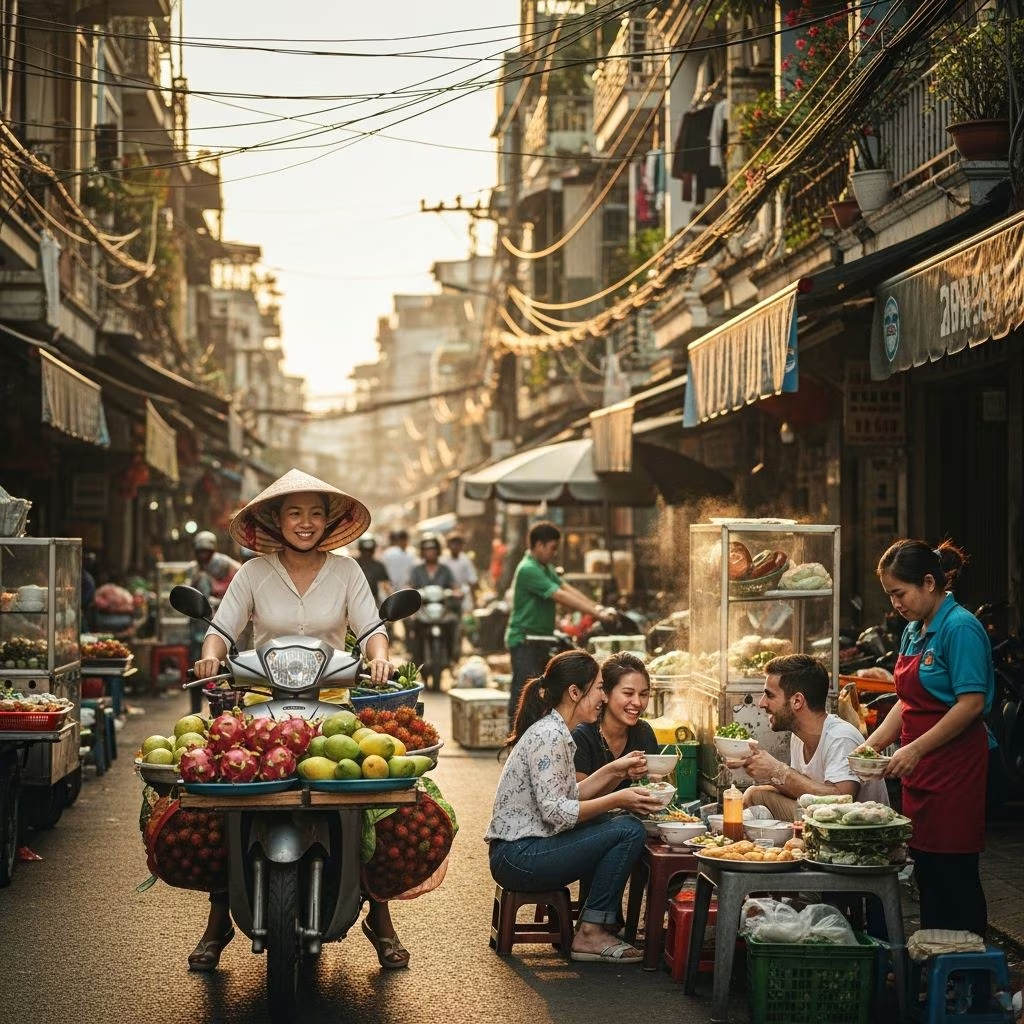
Ho Chi Minh City, formerly known as Saigon, represents one of Southeast Asia’s most dynamic and energetic urban centers. While many visitors arrive with predetermined itineraries centered on historical landmarks and famous attractions, the true essence of this metropolis emerges when you venture beyond these conventional tourist pathways. Living like a local in Ho Chi Minh City requires a willingness to embrace the organized chaos that defines the city’s character—the constant rhythm of motorbikes weaving through streets, the aroma of street food wafting from countless vendors, and the genuine warmth of residents going about their daily lives.
The decision of where to establish your temporary home significantly impacts your experience of Ho Chi Minh City. The city’s districts each offer distinct characteristics, catering to different preferences and lifestyles.
Premium Expat Hubs: District 1 remains the heart of downtown, offering easy access to major attractions, dining establishments, and business districts. However, this central location comes with premium pricing for accommodations and dining. District 2, particularly the Thao Dien area, has emerged as the epicenter of the expat community, featuring tree-lined streets filled with contemporary cafes, restaurants, and retail shops alongside international grocers and co-working spaces. This neighborhood maintains a distinctly cosmopolitan atmosphere while preserving proximity to the city center.
Upscale Alternatives: District 7 offers modern infrastructure and upscale amenities, though rental costs and general expenses reflect this elevated positioning. These three districts cater to those prioritizing comfort, convenience, and familiar international services.
Authentic Local Living: For those seeking a more genuine connection with Vietnamese culture alongside lower expenses, District 4 presents an ideal alternative. Positioned centrally between Districts 1 and 7, this neighborhood provides immediate access to essential services, markets, and dining options while maintaining significantly reduced rental and living costs compared to the premium districts. Shared housing arrangements further decrease financial burdens, making District 4 particularly suitable for long-term residents and those committed to experiencing local life authentically.
Before committing to any neighborhood, spend several nights exploring at different times to assess the authentic character, noise levels, and alignment with your personal preferences.
The streets of Ho Chi Minh City present initial challenges to newcomers, though understanding the transportation landscape proves essential for comfortable urban living.
The Motorbike Reality: The city’s streets operate under a distinct traffic philosophy where conventional rules appear somewhat flexible. Motorbikes dominate the transportation landscape, often traveling in unpredictable patterns across sidewalks and through alleys. Rather than attempting to drive immediately upon arrival, newcomers benefit significantly from using ride-hailing applications such as Grab, GoViet, or Bee—Vietnamese equivalents to international services—and selecting the motorbike option for short trips. This approach provides affordable transportation while allowing gradual acclimation to the city’s driving patterns and etiquette before considering personal vehicle operation.
Street Navigation: The city’s labyrinthine alley network and naming conventions create initial confusion. Many streets bear names of Vietnamese historical figures, typically comprising three components (first, middle, and family names), and identical street names appear across multiple districts, necessitating careful attention to district designations. However, this apparent chaos transforms into advantage once you embrace exploration without predetermined destinations.
One of the most rewarding aspects of genuine local living involves abandoning rigid itineraries in favor of spontaneous discovery.
Walking and Cycling Exploration: The optimal method for understanding Ho Chi Minh City involves traveling on foot or bicycle without fixed destinations. This approach allows for unexpected discoveries—hidden alleyways revealing small temples, neighborhood gathering spots, or family-run eateries unknown to guidebooks. Each neighborhood contains surprises accessible only to those willing to venture off primary thoroughfares.
Diverse Entertainment Landscape: Throughout the city, you’ll encounter high-end rooftop bars, casual neighborhood establishments, craft beer breweries, and countless cafes serving Vietnamese coffee and local specialties. Street corners frequently feature fruit vendors offering fresh produce with spicy salt accompaniments. This layered entertainment ecosystem accommodates every mood and budget, from luxury experiences to humble street-side interactions.
Food occupies a central position in Vietnamese culture and daily life, making gastronomic exploration fundamental to authentic local living.
Market Exploration Progression: Begin your food education at Bến Thành Market, where translated menus and pictorial representations ease entry into Vietnamese cuisine. Once comfortable with fundamental dishes, venture to Hồ Thị Kỷ Market, which combines flower and food trading while showcasing lesser-known traditional dishes alongside contemporary culinary innovations. This progressive approach builds confidence while exposing you to expanding varieties of regional specialties.
Street Food Culture: The abundance of street food vendors operating from small carts and sidewalk stalls throughout Ho Chi Minh City represents authentic local eating culture. Rather than viewing these establishments with hesitation, embrace them as repositories of genuine Vietnamese flavors and community gathering points. Pho stands, bánh mì vendors, and specialty snack carts offer affordable, delicious sustenance while connecting you with daily neighborhood rhythms.
International Options: While Ho Chi Minh City hosts residents from around the world, creating access to diverse international cuisines, prioritizing Vietnamese dishes ensures cultural immersion rather than defaulting to familiar flavors.
Beyond supermarkets and malls, authentic local shopping involves exploring markets and specialized retailers.
Boutique and Design Shopping: Establishments like Kokois in Thao Dien blend retail and dining experiences, featuring Vietnam-based independent designers creating unique clothing and accessories, including French-inspired menswear constructed with Vietnamese craftsmanship and imported materials. L’Usine offers similarly curated Vietnam-inspired gifts and merchandise, including locally produced versions of international games and cards. These venues support local creators while providing distinctive items reflecting Vietnamese character.
Bespoke Services: Small family-operated tailor shops such as Phuoc Tailor on Ðề Thám Street offer custom tailoring services at remarkably affordable rates, often producing quality dress shirts for under twenty dollars. Utilizing these services connects you with skilled artisans while obtaining personalized items.
Despite the city’s energetic intensity, respites from constant stimulation exist within reasonable distances.
Thanh Da Island Escape: Just twenty minutes north of the downtown core, Thanh Da Island transforms the urban experience dramatically, featuring rice paddies, palm groves, and waterside hammock cafes reminiscent of the Mekong Delta region. This proximity allows weekend retreats without extensive travel.
Luxury Wellness Destinations: An Lam Retreats Saigon River, located approximately forty minutes from downtown, provides upscale poolside relaxation alongside barges navigating the river while offering Vietnamese gourmet cuisine and Western comfort options. These establishments offer occasional indulgences while maintaining connection to the urban environment.
True local integration extends beyond practical navigation to cultural and linguistic engagement.
Language Learning: Vietnamese represents a tonal language where vocal inflection fundamentally alters meaning—raising your voice at a question’s conclusion, standard in English, completely transforms intended words into entirely different meanings. Beginning Vietnamese language lessons upon arrival, even while functioning effectively with English and basic phrases, establishes crucial connections with residents and deepens the sense of genuine belonging.
Social Integration: Beyond transactional interactions, genuine local living involves welcoming spontaneous invitations into residents’ homes, participating in celebrations and life events, and developing authentic friendships transcending tourist-visitor dynamics.
Ho Chi Minh City’s architectural diversity reflects its complex historical narrative.
Indochine Heritage: Navigating toward Nguyen Hue Street reveals preserved Indochine architecture, representing colonial-era influences and Vietnamese adaptation. This architectural style provides context for understanding the city’s layered historical development.
Chinatown Discovery: Chợ Lớn, known as Ho Chi Minh City’s Chinatown and the world’s largest Chinatown, functioned historically as an independent town before integration into the metropolitan area. The Hoa community, comprising Chinese immigrants, has inhabited this district for centuries, creating a distinct cultural enclave. The fabric market showcases extraordinary textile selections, while winding through temples, shophouses, and restaurants through random alleyways reveals authentic neighborhood character beyond curated tourist experiences.
Locating appropriate accommodations requires understanding available options and available resources.
Realtor Assistance: Finding apartments in Vietnam proves remarkably straightforward, with Facebook groups dedicated to rental listings serving as primary resources. Commenting on posts typically generates immediate interest from realtors offering assistance, eliminating stress from the housing search process.
Accommodation Types: Expats choose from Western-style apartment buildings with premium pricing, more affordable traditional Vietnamese houses shared with other foreigners, or individual apartments created through floor-by-floor sectioning within existing residences. Initial stays in budget guesthouses while exploring neighborhoods help determine optimal long-term locations.
Initial Strategy: Upon arrival, booking temporary accommodation in a well-located, easily navigable area such as District 1 ensures comfort while establishing neighborhood exploration patterns. Once familiar with different districts, transitioning to permanent housing becomes an informed decision rather than rushed necessity.
True local status emerges gradually through sustained engagement and commitment.
Comfort with Urban Complexity: Residents consider themselves truly local when navigating the city’s intricate alleyway network without hesitation, accepting the endless maze of interconnected streets as familiar territory rather than intimidating obstacles.
Daily Rhythm Integration: Embracing regular participation in neighborhood activities—shopping at familiar vendors, developing routines at preferred cafes, maintaining relationships with shopkeepers and residents—transforms transient visitor status into genuine community membership.
Perspective Shift: The transition to authentic local living requires accepting Ho Chi Minh City’s apparent chaos as organizing principle rather than disorder, finding rhythm within the constant motion, and discovering that the organized intensity defines rather than detracts from the city’s compelling character.
