


 Food & Culture
Food & Culture
How to Live Like a Local in Lima, Peru
Unlock the everyday joys of Lima through local habits: savor criollo dishes, bike coastal trails, explore markets, and join community vibes for a true Peruvian immersion.
 Food & Culture
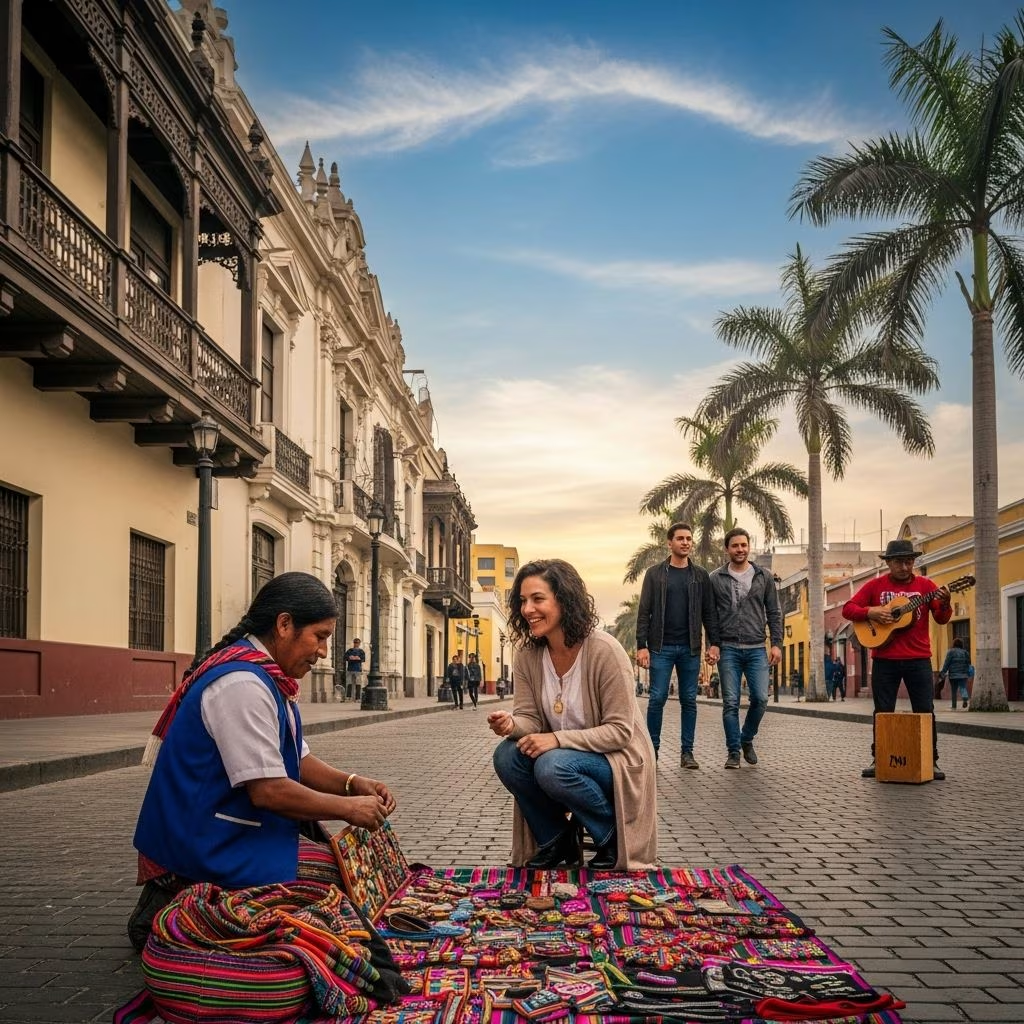
Lima, Peru’s bustling coastal metropolis, pulses with a unique blend of ancient traditions and modern energy. Beyond the tourist trails, locals navigate a world of flavorful street vendors, scenic promenades, and neighborhood gems that define daily life. This guide draws from resident insights to help you integrate seamlessly, whether you’re strolling cliffside paths, bargaining at markets, or sharing plates of hearty criollo fare.
Daily Rhythms: Starting Your Day Like a Limeño
Mornings in Lima often begin with the salty breeze from the Pacific Ocean. Residents kick off their day with simple routines that prioritize fresh air and community. In districts like Miraflores, many head to the malecón, a winding paved walkway hugging dramatic cliffs. Here, cyclists and joggers weave through the early light, pausing at viewpoints where paragliders launch into the sky.
For families, weekends bring a shift to interactive outings. Parque Reducto transforms into a lively hub with a bustling farmer’s market. Stalls overflow with vibrant produce—giant corn kernels, exotic fruits, and handmade sweets. Nearby, live music draws crowds, while play areas keep kids entertained. Adults might join complimentary yoga flows amid the greenery, fostering a sense of shared wellness.
- Fresh market picks: Choclo (large-kernel corn), fresh cheeses, and seasonal Andean tubers.
- Family perks: Free kids’ bands and age-specific game zones.
- Wellness boost: Dawn yoga sessions open to all.
Gastronomic Adventures: Eating Where Locals Gather
Lima’s food scene is legendary, but true locals bypass flashy spots for authentic haunts. In bohemian Barranco, taverns like those serving generational criollo recipes draw crowds. Expect massive platters of offal delights—think tender calf brains (sesos) or rich chicken blood stew (sangrecita)—meant for sharing. Rustic wooden tables buzz with chatter, surrounded by colorful tiles and shelves of pisco bottles.
Street carts offer budget-friendly fixes for hunger pangs. Skip convenience stores; hunt for anticuchos (grilled heart skewers) or choclo con queso—corn on the cob slathered with salty fresco cheese. These mobile vendors dot every corner, dishing out fried, fresh, sweet, or savory bites that fuel the city’s pace.
| Dish | Description | Best Spot | Price Range |
|---|---|---|---|
| Choclo con Queso | Corn cob with fresh cheese | Street carts anywhere | Low (under $2) |
| Sangrecita | Boiled chicken blood stew | Barranco taverns | Medium (shareable plates) |
| Sesos | Calf brains, fried or stewed | Traditional criollo spots | Medium |
Markets double as culinary hubs. Magdalena del Mar’s district bazaar stocks everything from staples to specialties, with vendors offering tailoring or key copying alongside fruits. Haggling builds rapport, turning one-off buys into ongoing relationships.
Neighborhood Explorations: Hidden Gems Across Districts
Lima spans diverse barrios, each with distinct flavors. Barranco, the artsy enclave, captivates with its winding streets and creative pulse. Microteatro, a pocket-sized venue, hosts 15-minute plays—perfect for sparking conversations. Adjacent garage bars, draped in plants and candlelight, provide intimate interludes.
Miraflores blends seaside leisure with urban convenience. Larcomar, a cliffside mall, overlooks waves crashing below, housing cafes ideal for people-watching. Parks invite picnics, while the malecón offers biking routes packed on weekends.
For panoramic vistas, tackle the Morro Solar hike in Chorrillos. This barren headland rises starkly, crowned by a towering Christ statue. The 15-minute climb contrasts shantytowns with elite clubs, culminating in sweeping city views that make you feel untethered.
- Barranco: Arts, bars, and bite-sized theater.
- Miraflores: Oceanfront paths, parks, shopping.
- Chorrillos: Urban hikes with epic overlooks.
Getting Around: Mastering Lima’s Transport Maze
Public transit is a rite of passage—chaotic yet essential. Kombis, minibuses blasting through streets, embody the frenzy: overcrowded, horn-heavy, and thrilling for newcomers. Despite gripes, they’ve improved and stay ultra-affordable.
City buses serve tourist zones like Miraflores, but lack schedules or clear routes—ask locals for guidance. Taxis offer comfort, though metered rides are pricier. For longer stays, consider bikes for malecón jaunts.
Weekend Escapes and Family Fun
Locals recharge with low-key adventures. Fishing villages like Pucusana, just outside the city, boast pristine beaches such as Naplo and Las Ninfas. These spots provide serene contrasts to urban hustle.
In La Molina, Universidad Agraria’s restaurant showcases hyper-local ingredients from coast, jungle, and mountains, crafted by innovative chefs. Districts like Pueblo Libre or San Isidro offer quieter vibes for lingering strolls.
Practical Tips for Long-Term Stays
Affordability draws expats: one-bedroom rentals in Miraflores run $500–$800 monthly. Meals cost little—a fast-food combo is about $5.38, transit passes $35. Coworking hubs like Workósfera provide fast internet and community.
Engage culturally via Plaza de Armas or Larco Museum’s pre-Columbian treasures. Arts galleries thrive, blending old and new.
Frequently Asked Questions
What are the safest neighborhoods for newcomers?
Miraflores and Barranco top lists for walkability and vibe.
Best time for malecón biking?
Dawn or weekdays to dodge crowds.
Street food safety tips?
Choose busy carts with fresh turnover; locals swear by them.
Family-friendly markets?
Parque Reducto shines with kids’ activities.
Public transport hacks?
Chat with locals for bus routes; apps help too.
Insider Hacks for Authentic Experiences
To truly embed:
- Join free community yoga or music jams.
- Barter at markets for bonds and deals.
- Venture beyond Centro—hit 20+ districts like locals.
- Sample pisco in tavern nooks.
Lima rewards the curious. By adopting these habits, you’ll trade tourist snapshots for resident memories amid ocean cliffs, market banter, and endless ceviches.
References
- How to live like a local in Lima — Lonely Planet. 2023-10-15. https://www.lonelyplanet.com/articles/how-to-live-like-a-local-in-lima
- Lima City Guide for Digital Nomads and Expats — Insured Nomads. 2024-05-20. https://insurednomads.com/lima-city-guide-digital-nomads-expats/
- Explore Lima Peru With A Local — CulturallyOurs. 2021-02-19. https://culturallyours.com/2021/02/19/explore-lima-peru-with-a-local/
- 9 Weeks in LIMA (Living Like a Local and Doing Touristy Things) — YouTube (Video Description). 2023-08-10. https://www.youtube.com/watch?v=mYSS829H8Hg
On This Page
Daily Rhythms: Starting Your Day Like a Limeño Gastronomic Adventures: Eating Where Locals Gather Neighborhood Explorations: Hidden Gems Across Districts Getting Around: Mastering Lima's Transport Maze Weekend Escapes and Family Fun Practical Tips for Long-Term Stays Frequently Asked Questions Insider Hacks for Authentic Experiences← Previous
Best Miami Waterfront Bars for Sunsets, Cocktails & Ocean Views
Next →
25 Instagrammable Places in Atlanta for Stunning Photos
Related Reading
More in Food & Culture
Food & Culture Food & Culture
 Food & Culture
Best Places to Eat in Rome: Neighborhood Dining Guide
 Food & Culture
 Food & Culture