

 Travel Essentials
 Travel Essentials

Learn practical strategies to immerse yourself in Porto's authentic culture, from choosing the right neighborhoods to dining where locals eat and exploring hidden gems.
 Travel Essentials
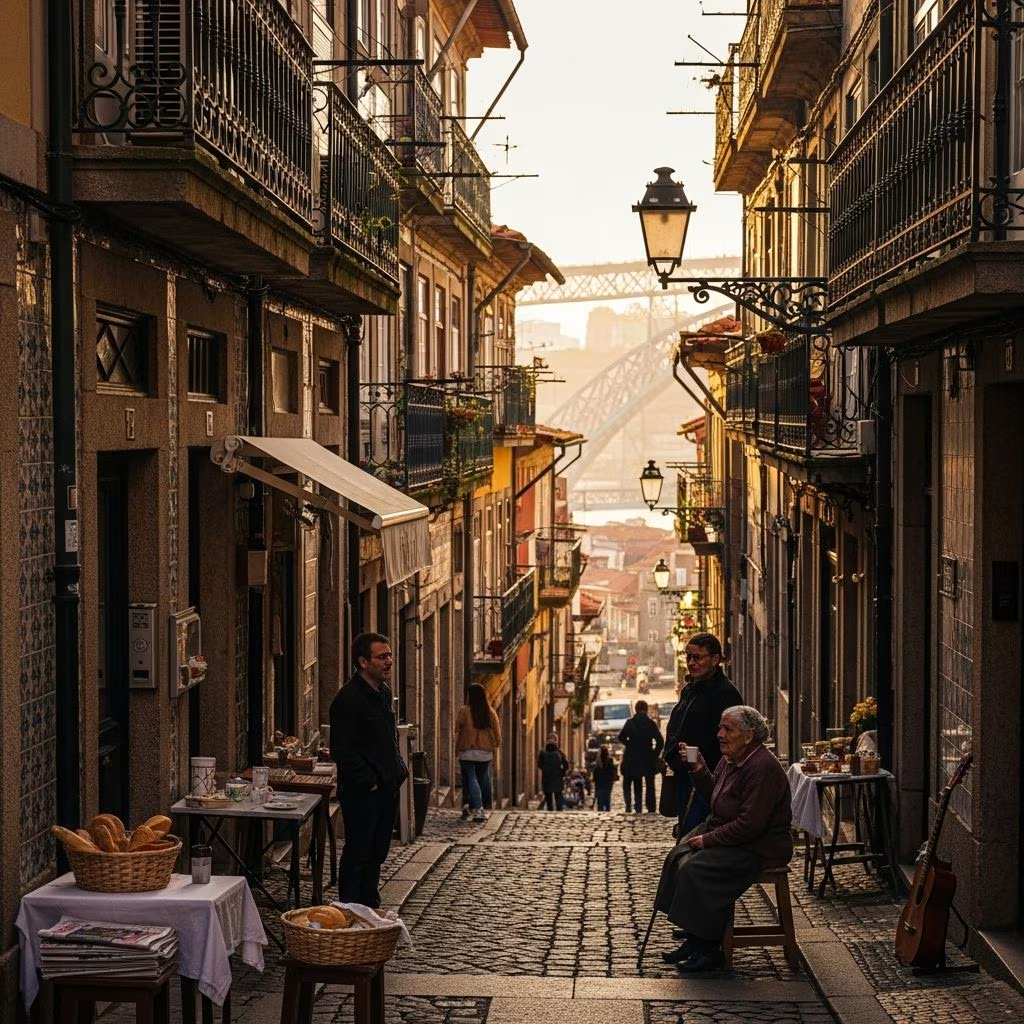
Porto, Portugal’s second-largest city, offers far more than what typical tourist guides suggest. The city pulses with an energy that reveals itself only to those willing to venture beyond the postcard-perfect viewpoints and explore the authentic rhythms of daily life. Living like a local in Porto means understanding the neighborhoods where residents actually spend their time, discovering the restaurants that have fed generations of families, and participating in the cultural moments that define the city’s identity.
The foundation of living authentically in Porto begins with choosing the right neighborhood. Each district possesses its own character, community dynamics, and lifestyle offerings. Understanding these distinctions helps newcomers find an area that aligns with their values and daily routines.
Eastern Districts for Authenticity and Value
The neighborhoods east of the city center offer an exceptional blend of genuine local life, affordability, and modern amenities. Areas like Bonfim showcase the everyday Porto that residents actually inhabit—markets bustling with activity, family-run shops, peaceful residential streets, and parks where children play and elderly neighbors socialize. These quarters exist just minutes from the center, yet feel worlds away from the tourist infrastructure.
Living in these eastern zones means participating in genuine community life. You’ll encounter locals conducting their daily business rather than performing for visitors. Markets become social hubs where vendors know regular customers by name, and corner cafés serve as gathering places for neighborhood residents who’ve been returning for decades.
Cedofeita: The Creative Pulse
For younger residents, creative professionals, and remote workers seeking artistic energy alongside connectivity, Cedofeita represents Porto’s contemporary cultural renaissance. This neighborhood combines renovated residential spaces with independent galleries, innovative boutiques, and contemporary cafés. The district maintains strong local character despite its modern transformation, offering walkability, easy access to cultural venues, and nightlife options while preserving authentic neighborhood identity.
Boavista: The Self-Sufficient Quarter
On the western side of the city, Boavista has emerged as a preferred destination for expat communities seeking convenience without sacrificing urban sophistication. This area functions almost as a secondary downtown, with supermarkets, office spaces, restaurants, cafés, and retail establishments ensuring residents rarely need to venture elsewhere for daily necessities. The Casa da Música concert venue anchors the district’s cultural offerings, while shopping centers and restaurants provide entertainment and dining variety.
Waterfront Living in Foz do Douro
The western waterfront districts offer modern living with coastal beauty. Foz do Douro, where the Douro River meets the Atlantic Ocean, provides seaside tranquility combined with contemporary amenities. This area appeals to those prioritizing natural beauty and recreational water activities alongside residential comfort.
Understanding how locals structure their days illuminates the practical aspects of living authentically in Porto. Daily life revolves around neighborhood rhythms, established routines, and community institutions that outsiders might easily overlook.
Social and Work Spaces Beyond Hotels
Locals don’t spend their working hours in tourist-oriented venues. Instead, independent cafés serve as makeshift offices where freelancers and remote workers establish themselves at shared tables, engaging with the neighborhood’s creative community. These spaces offer authentic atmosphere, reasonable pricing, and genuine connection rather than the sterile environment of international chains.
Public Spaces for Relaxation
When seeking respite from urban activity, residents gravitate toward neighborhood parks and gardens rather than commercial attractions. Jardim das Oliveiras, overlooking the trendy Passeio dos Clérigos arcade, provides peaceful green space where locals bring books, enjoy the atmosphere, and decompress. These public gardens serve as genuine community spaces rather than curated tourist destinations.
Food culture in Porto reveals authentic lifestyle choices. Where and how residents eat reflects generations of tradition, economic practicality, and social connection.
Traditional Tascas: The Original Restaurant Experience
Before Porto transformed into a destination for international cuisine, traditional taverns called tascas served as gathering places where neighbors shared meals and conversation. Though many have adapted to tourism, the authentic roots remain embedded in these establishments. Tascas represent genuine neighborhood dining—unpretentious, affordable, and rooted in Portuguese culinary tradition.
Francesinha: The Iconic Sandwich
No exploration of Porto’s local food culture omits the francesinha—a steak sandwich featuring ham, sausage, and other proteins, drenched in tomato and beer sauce, crowned with melted cheese and a fried egg. This calorie-dense creation represents Porto’s bold culinary identity. Rather than seeking the “best” francesinha, locals recognize that every neighborhood harbors passionate advocates for different establishments, making personal exploration essential.
Seafood in Matosinhos
Matosinhos, the coastal district, offers access to freshly caught fish and seafood available year-round. The streets of this maritime neighborhood feature multiple restaurants specializing in daily catches, providing authentic coastal dining experiences. This represents how geography shapes local lifestyle—residents take advantage of seasonal offerings and proximity to maritime resources.
Petiscos and Small Plates Culture
Petiscos—small, shareable plates—constitute a fundamental aspect of Porto’s dining tradition. These varied offerings allow diners to sample multiple Portuguese specialties in single sittings, encouraging communal eating and conversation. Embracing this approach to dining means participating in social traditions that extend beyond mere consumption of food.
Markets serve dual functions—practical shopping and social gathering. Mercado do Bolhão, Porto’s oldest fruit and vegetable market, operates as both commercial space and community institution. Shopping where locals shop means visiting these established markets alongside neighborhood shops rather than exclusively patronizing modern supermarkets.
Rua de Santa Catarina, the city’s principal shopping street, represents the commercial heart where residents conduct everyday shopping for clothing, goods, and services. Walking this street alongside locals reveals how the city functions beyond tourist zones.
Walking and Cycling as Transportation and Recreation
Locals prioritize walking and cycling as primary transportation and leisure activities. An 8-kilometer riverside bike route extending toward the beach represents a classic local activity, combining exercise, natural scenery, and connection to the city’s waterfront character. This roughly two-hour journey defines how residents experience Porto’s geography and beauty without tourist infrastructure.
Historic District Navigation
Porto’s oldest neighborhood around the Sé cathedral features narrow, winding streets ascending steep hills. Rather than viewing this topography as an obstacle, locals embrace it as an integral part of daily experience and fitness routine. Climbing these streets, rather than taking elevators or vehicles, maintains physical connection to the city’s historic architecture and layout.
Architectural Landmarks Beyond Tourism
The Ponte de Dom Luís I, the iconic double-deck iron bridge, offers extraordinary vistas from its upper level. Locals view this structure as a functional transportation connection and panoramic vantage point rather than exclusively as a photograph opportunity. Similarly, Torre dos Clérigos serves as both landmark and neighborhood anchor point.
Music and Performance Venues
Casa da Música, Porto’s premier concert venue, hosts performances spanning classical, contemporary, and world music traditions. Locals engage with this institution not merely as tourists but as regular attendees supporting artistic programming. The venue’s top-floor restaurant offers fine dining experiences integrated with cultural engagement.
Nightlife and Social Venues
Porto’s nightlife reflects both local preferences and international influences. Establishments like Ferro Bar maintain 5 AM hours, hosting electronic musicians, rock performers, and occasional artistic installations, attracting mixed crowds of residents and visitors. Club Gare specializes in minimal techno and groove music, representing Porto’s signature contemporary nightlife sound.
Porto maintains a steadily growing international community while remaining less saturated than Lisbon, facilitating easier integration into local life. Language learning, participation in community events, and engagement with shared neighborhood spaces help bridge cultural gaps. Many newcomers find building meaningful connections with both Portuguese residents and fellow international arrivals surprisingly accessible.
| Activity | Where Locals Participate | Authenticity Level |
|---|---|---|
| Morning Coffee | Neighborhood cafés, not tourist-oriented chains | High |
| Shopping | Markets, local shops, established supermarkets | High |
| Meals | Tascas, petiscos restaurants, seaside seafood venues | High |
| Recreation | Parks, riverside walks, cycling routes | High |
| Culture | Museums, concert venues, neighborhood galleries | Medium-High |
| Evening Social | Local bars, neighborhood venues, waterfront areas | High |
Porto’s climate and seasons influence local life patterns. Summer months encourage waterfront exploration, outdoor dining, and evening promenades. Winter brings residents indoors to cozy cafés, theaters, and community spaces. Understanding these seasonal shifts helps newcomers align their activities with genuine local patterns rather than superimposing external expectations.
Bonfim and surrounding eastern districts offer family-friendly environments with parks, markets, and peaceful residential streets where children interact with neighborhood communities. These areas balance local authenticity with practical amenities.
Look for traditional tascas rather than establishments marketed to tourists. Ask neighborhood residents for recommendations—locals typically have strong opinions about favorite dining spots. Venture to areas like Matosinhos for seafood or explore streets beyond primary tourist zones.
While Porto’s international community facilitates English communication, learning Portuguese significantly enhances integration and demonstrates respect for local culture. Many community events and neighborhood interactions become more accessible and meaningful with language skills.
Walking and cycling represent the authentic methods residents use for exploration. The riverside cycling route toward the beach and walking through historic neighborhoods provide genuine connection to the city’s layout, architecture, and landscape.
Eastern neighborhoods offer exceptional value compared to touristy central areas. Shopping in markets, dining at tascas, and utilizing public transportation keeps daily expenses reasonable while maintaining authentic lifestyle quality.
Living authentically in Porto transcends mere tourism or temporary residence. It involves conscious choices to engage with neighborhoods where residents actually live, dine where locals eat, move through the city as they do, and gradually become part of community rhythms. This approach requires patience, openness, and willingness to venture beyond familiar comfort zones into genuine neighborhood life. Over time, these deliberate choices transform Porto from an external destination into an internalized home, where daily routines reflect authentic participation in the city’s enduring culture and contemporary vitality.
