

 Travel Essentials
 Travel Essentials

Discover practical techniques to minimize luggage weight, avoid airline fees, and travel more comfortably with strategic packing methods.
 Travel Essentials
Traveling with excessive baggage creates unnecessary physical strain and often results in unexpected airline surcharges. The ability to pack strategically transforms the travel experience, allowing you to navigate airports more easily, move through destinations without encumbrance, and potentially save considerable money on baggage fees. Understanding the mechanics of efficient packing goes beyond simply removing items—it requires a comprehensive approach that considers equipment selection, clothing strategy, and organizational methods.
The foundation of lightweight travel begins with the luggage itself. Many travelers overlook the importance of bag selection, focusing instead on what goes inside. However, the container holding your belongings significantly impacts your overall travel weight. A suitcase or backpack that weighs substantially when empty leaves less room for actual travel necessities if you’re working within airline weight restrictions.
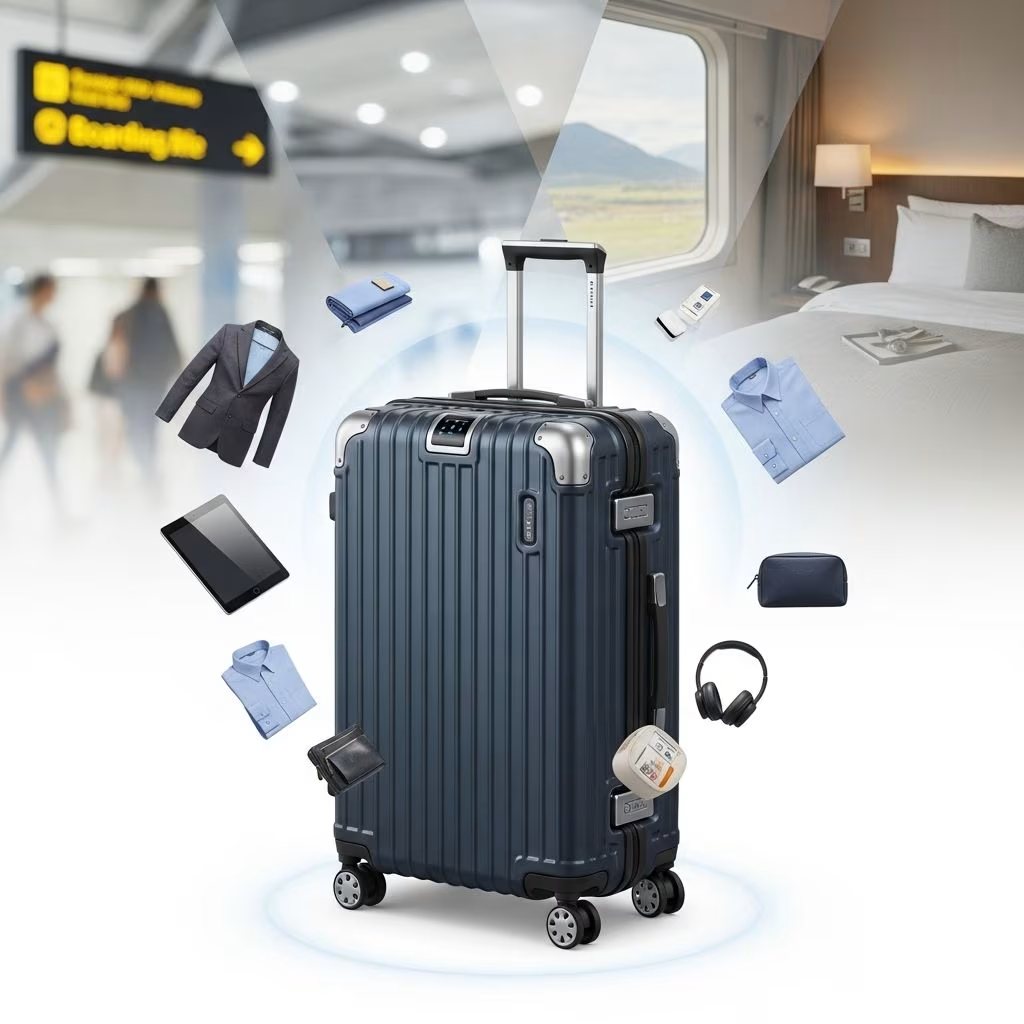
For urban destinations where terrain remains primarily paved and you’ll spend time in taxis or vehicles, a rolling carry-on suitcase offers convenience and protection for your belongings. Modern travel luggage has evolved considerably, with manufacturers now producing rolling options that weigh significantly less than traditional models. When selecting rolling luggage, prioritize bags constructed from lightweight materials that maintain structural integrity without excess weight.
Conversely, if your itinerary includes uneven terrain, public transportation in crowded conditions, or adventure activities, a lightweight backpack becomes the superior choice. Backpacks eliminate the weight penalty of wheels and handles, distributing weight more ergonomically across your body. This becomes particularly important for extended walking or navigating cobblestone streets and stairs.
Beyond the primary luggage, consider supplementary bags carefully. A packable tote bag—weighing mere ounces when empty—provides flexibility for day excursions without significantly impacting your total baggage weight. These ultra-lightweight options compress to pocket size when not in use, making them ideal for travelers managing strict weight limitations.
Clothing typically comprises the largest percentage of packed items and represents significant opportunity for weight reduction. Rather than packing individual outfits, successful minimalist travelers approach clothing as a modular system where each piece serves multiple purposes and coordinates with other items.
Beginning with a neutral color palette—such as grays, blacks, whites, and earth tones—creates natural compatibility among garments. A neutral-colored shirt pairs effortlessly with multiple bottoms; a neutral cardigan or lightweight layer complements numerous outfits without requiring separate additions for each day. This coordination strategy eliminates the need for excessive clothing while maintaining outfit variety throughout your trip.
Layering represents a superior approach to managing temperature variations without packing bulky outerwear. Lightweight merino wool or synthetic blend layers provide warmth without occupying significant suitcase space. A single structured layer can be worn over various base shirts, creating the visual impression of multiple outfits while using minimal luggage capacity. If you’ll encounter cold weather, wear your heaviest outerwear during travel rather than dedicating precious suitcase space to bulky jackets.
Accessory items—scarves, lightweight jewelry, and belts—provide disproportionate outfit variation relative to their weight and space requirements. A single scarf can transform multiple outfits, serve as a blanket during flights or train travel, or function as a beach cover-up. These lightweight additions maximize visual variety without compromising your baggage weight.
Shoes typically represent one of the most weight-intensive categories in packed luggage, yet many travelers bring far more options than necessary. Limiting footwear to two or three versatile pairs dramatically reduces weight while remaining adequate for most travel scenarios.
Selecting shoes requires evaluating your destination’s climate, planned activities, and walking environment. For warm-weather destinations, a comfortable walking shoe serves as your primary option, with a second pair of flat sandals or casual shoes providing alternatives when your primary pair needs cleaning or rest. If your itinerary includes more formal activities or evening dining, choose one heel option that coordinates with multiple outfits rather than bringing multiple styles.
For cooler climates, wearing your bulkiest footwear during travel eliminates the need to pack boots or heavy shoes. Comfortable traveling shoes allow you to wear your heaviest option while en route, saving considerable suitcase space. Upon arrival, storing travel shoes in a lightweight shoe bag or even repurposed plastic bags keeps your other belongings clean without adding meaningful weight.
Personal care items often accumulate excess weight through full-size containers and unnecessary duplicates. Implementing strategic reduction techniques diminishes this category substantially without compromising hygiene or comfort.
Travel-size toiletries provide obvious space and weight benefits compared to full-size bottles. However, for extended trips, purchasing toiletries at your destination offers even greater advantages. Most destinations provide accessible retailers where you can obtain shampoo, lotion, and other basics, eliminating the need to transport these heavy liquids internationally.
For shorter trips, consider concentrated or solid alternatives to liquid toiletries. Solid shampoo bars, solid deodorant sticks, and compact solid soaps provide equivalent functionality while weighing substantially less than liquid versions. These alternatives often concentrate active ingredients into smaller volumes, multiplying their effective usage compared to liquid formulations.
Clothing specifically for sleeping represents another optimization opportunity. Lightweight sleepwear—thin cotton t-shirts or moisture-wicking synthetic materials—provides adequate comfort without the bulk of traditional pajamas. For cold nights, layering with existing clothing items serves the warming function without dedicated sleepwear additions.
Electronic devices and entertainment options contribute significant weight without providing proportional value, particularly when redundant items are included. Evaluating your actual needs during travel reveals opportunities to eliminate unnecessary technology.
Modern tablets provide substantial functionality for travel entertainment, email access, and information reference while weighing considerably less than laptops. Unless your trip involves professional work requiring a full computer, a tablet delivers necessary capabilities at reduced weight. Smartphones already accompany most travelers, making a tablet the sole additional digital device necessary for most scenarios.
Traditional printed books, while enjoyable, add considerable weight with minimal value during travel. Digital reading options—through tablets, smartphones, or lightweight e-readers—provide entertainment without physical bulk. This shift eliminates 1-2 pounds of weight from most travelers’ luggage.
Charging cables and adapters represent areas where travelers often accumulate excess items. Rather than carrying multiple charging options, confirm which cables your essential devices require and bring only those. Universal adapters serve multiple purposes, consolidating what might otherwise be several individual items.
How items are arranged within luggage impacts both accessible space and overall organization. Effective packing methods maximize available capacity while keeping essentials easily accessible and minimizing wrinkles.
Rolling clothing rather than folding creates space efficiency without necessarily adding weight. Tightly rolled garments compress more efficiently than folded items, allowing additional clothing to fit within a smaller volume. However, the space savings from rolling should not tempt overpacking; the goal remains bringing fewer total items, not fitting more into available space.
For travelers concerned about wrinkles, compression cubes or packing organizers separate clothing by category while maintaining compression. These organizational systems add minimal weight while preserving garment condition and maintaining internal luggage organization throughout travel.
Utilizing pocket space strategically distributes weight throughout luggage while keeping small items accessible. Socks, underwear, and lightweight accessories fit into jacket pockets, external bag compartments, and other unused spaces, reducing overall volume requirements.
One critical principle distinguishes successful light packers from those struggling with excessive baggage: the “editing” phase after initial packing. After arranging items in your luggage, many experienced travelers recommend removing approximately half of what they’ve packed, keeping only truly essential items.
This radical editing forces prioritization of genuine necessities versus items packed “just in case.” Most travelers dramatically overestimate required clothing variety and underestimate their ability to rewear items or work with limited options. Implementing this editing discipline transforms luggage weight and maneuverability.
Additionally, avoiding empty spaces within luggage prevents the psychological temptation to fill remaining capacity. If your suitcase has unused room, resist the urge to fill it with additional items. Partial capacity leaves flexibility for items acquired during travel while maintaining manageable weight.
Personal items beyond clothing warrant particular attention, as they accumulate weight without visible bulk. Wallets, bags, and personal accessories often contain unnecessary items that increased weight unnecessarily.
Cleaning out your wallet before travel eliminates old receipts, expired cards, and unnecessary business cards accumulated from previous trips. Maintaining only essential identification, credit cards, and travel documents dramatically reduces pocket weight. Slim wallet organizers provide secure card and document storage in significantly less space than traditional wallets.
A single versatile personal bag—rather than multiple purses or shoulder bags—maintains organization while reducing weight. Packable or lightweight options provide functionality without the burden of traditional structured bags.
Strategic packing prioritizes essentials while eliminating redundant items, maintaining comfort without excess baggage. Careful planning ensures you have necessary items while traveling lighter.
Modern lightweight luggage uses advanced materials that maintain durability while reducing weight. These materials withstand typical travel stresses effectively while remaining considerably lighter than older luggage designs.
Weight management benefits all travel lengths. Even short trips become more enjoyable when you’re not hauling excessive baggage through airports and destinations.
Individual preferences matter, but most people discover they prioritize comfort and ease of movement over carrying complete wardrobe options. Testing lightweight packing on shorter trips builds confidence for extended travel.
Essential documents, medications, and necessary electronics should never be excluded. Reduction focuses on eliminating duplicate items and non-essentials rather than compromising crucial elements.
Beginning your luggage reduction journey doesn’t require abandoning comfort or style. Start with short trips using these techniques, allowing yourself to experience the benefits before fully committing to minimalist travel on extended journeys. Most travelers discover that traveling lighter creates unexpected freedom and enjoyment, making the initial discipline of packing reduction worthwhile for future adventures.
