

 Travel Essentials
 Travel Essentials

Discover comprehensive tips for coordinating multi-family road trips, from route planning and packing to group dynamics and emergency prep for stress-free journeys.
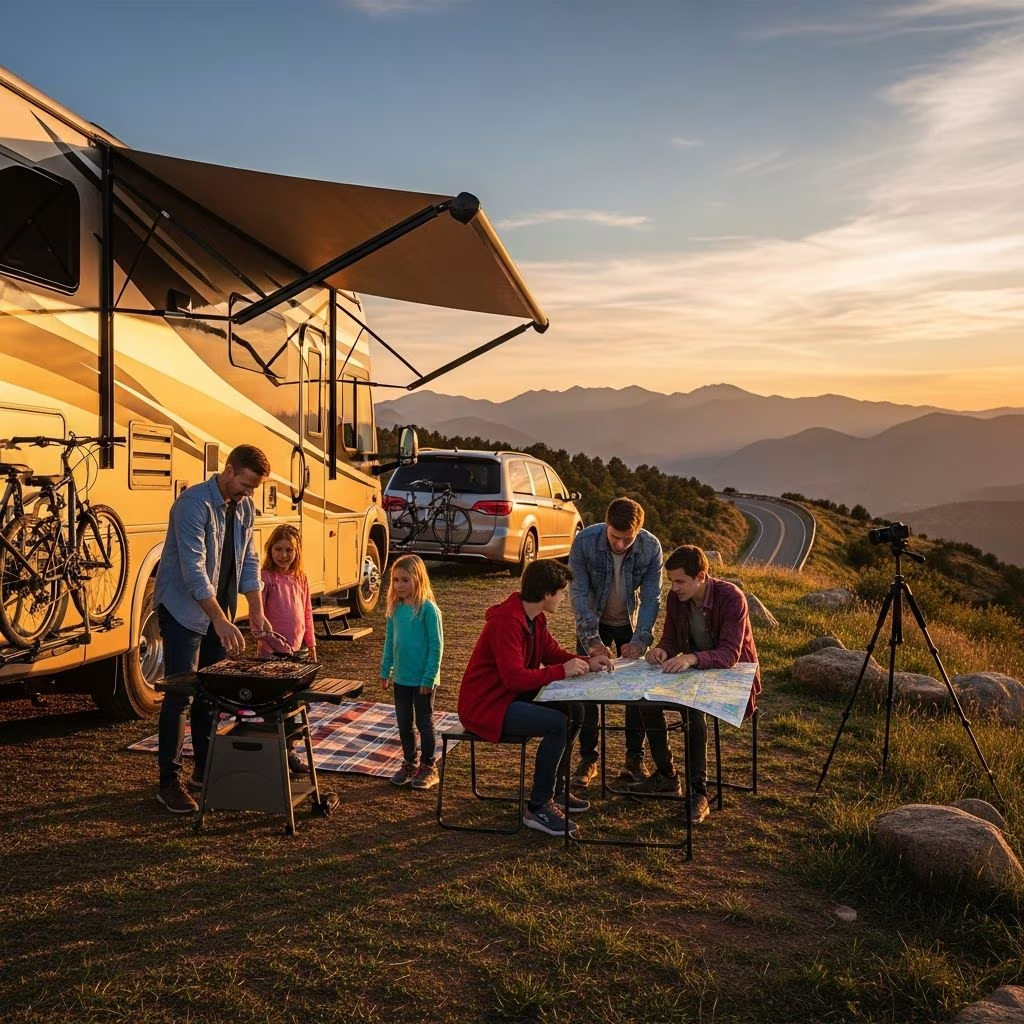 Travel Essentials
Coordinating a road trip with multiple families combines the thrill of exploration with the challenge of group harmony. Success hinges on thoughtful preparation that accommodates diverse ages, preferences, and needs while fostering shared excitement.
The foundation of any successful multi-family road trip begins with open communication among all participants. Start by gathering input on key elements like trip duration, preferred destinations, and activity types. Use virtual meetings or shared digital documents to vote on options, ensuring everyone feels involved from the outset.
This collaborative approach prevents conflicts and builds anticipation. Designate roles like a lead navigator for routes and a finance coordinator for shared costs.
Choose destinations that offer flexibility for varying energy levels and interests. Opt for regions with clustered attractions to minimize long drives between stops. Consider factors like road conditions, seasonal weather, and family-friendly facilities.
| Destination Type | Pros for Multi-Family Trips | Cons to Watch For |
|---|---|---|
| National Parks | Diverse trails, picnic areas, ranger programs | Crowds, variable terrain |
| Coastal Routes | Beaches, seafood stops, scenic drives | Weather dependency, traffic |
| Rural Byways | Quiet roads, farm stands, small towns | Limited services, longer stretches |
Map routes using tools that account for drive times, breaks, and detours. Aim for 4-6 hours of driving per day to keep fatigue low, incorporating buffer time for traffic or spontaneous explorations.
Rather than rigid schedules, create a loose structure with anchors and free time. Each day should feature one main group activity, followed by optional pursuits and communal meals. This rhythm allows bonding without exhaustion.
A sample 7-day template might include arrival settling, themed outings, rest days, and departure buffers. Adjust based on group size and ages for optimal flow.
Packing for multiple families requires organization to avoid duplicates and shortages. Create shared lists categorized by vehicle, meals, and emergencies. Encourage each family to handle personal items while contributing to communal supplies.
Pack surprise elements like themed toys for kids to reveal during long drives, maintaining fairness across siblings or cousins.
Safety is paramount on group road trips. Equip vehicles with roadside kits including jumper cables, tire tools, flashlights, and first aid. Rotate drivers every 2-3 hours to sustain alertness, and schedule stops every 4 hours for stretches and refueling.
Pre-trip vehicle checks cover tires, fluids, brakes, and emergency spares. For larger groups, consider convoy rules: maintain visual contact, use walkie-talkies or apps for communication, and designate a lead vehicle.
Transparency in finances prevents tension. Agree upfront on shared costs like gas, lodging, and attractions versus individual spends. Use apps for real-time tracking where each family logs contributions.
Set a contingency fund for unexpected repairs or upgrades, reviewed daily to stay on track.
Keep occupants happy with varied diversions. Curate playlists blending generations’ favorites, podcasts for stories, and car games like license plate bingo or 20 questions. Involve kids in planning stops to boost buy-in.
Balance screen time with interactive elements: audiobooks for education, sing-alongs for fun. Snack rotations prevent hunger meltdowns—mix healthy fruits with treats.
Before departure, secure your home to avoid worries. Suspend mail and deliveries, arrange neighbor check-ins for plants or pets, and automate lights or security systems. This peace of mind enhances the trip experience.
Anticipate issues like delays or disagreements. Build flexibility into plans: if traffic stalls, pivot to nearby attractions. For disputes, use a quick group huddle to realign on priorities.
Weather changes demand adaptability—pack layers and monitor forecasts. Health contingencies include motion sickness remedies and basic meds for all ages.
Select lodging that supports group dynamics: vacation rentals with multiple bedrooms, kitchens, and common areas promote togetherness and privacy. Hotels with suites or adjacent rooms work for shorter stays. Prioritize proximity to routes and amenities like pools.
After returning, debrief as a group: what worked, what to tweak? This refines future plans and strengthens bonds. Share photos and stories to relive highlights.
Discuss and document splits early, using shared apps for transparency. Offer tiered activity options where possible.
Prepare rotations of games, stories, and snacks. Let them co-plan stops for engagement.
Secure car seats, use organizers, and pack emergency kits. Rotate drivers regularly.
Plan potlucks or picnics; pack versatile foods. Scout grocery stops en route.
4-12 people balance fun and logistics; larger groups may need multiple vehicles.
