

 Travel Essentials
 Travel Essentials

Learn essential techniques for creating realistic travel budgets, tracking expenses, and finding deals to make your dream vacation financially achievable.
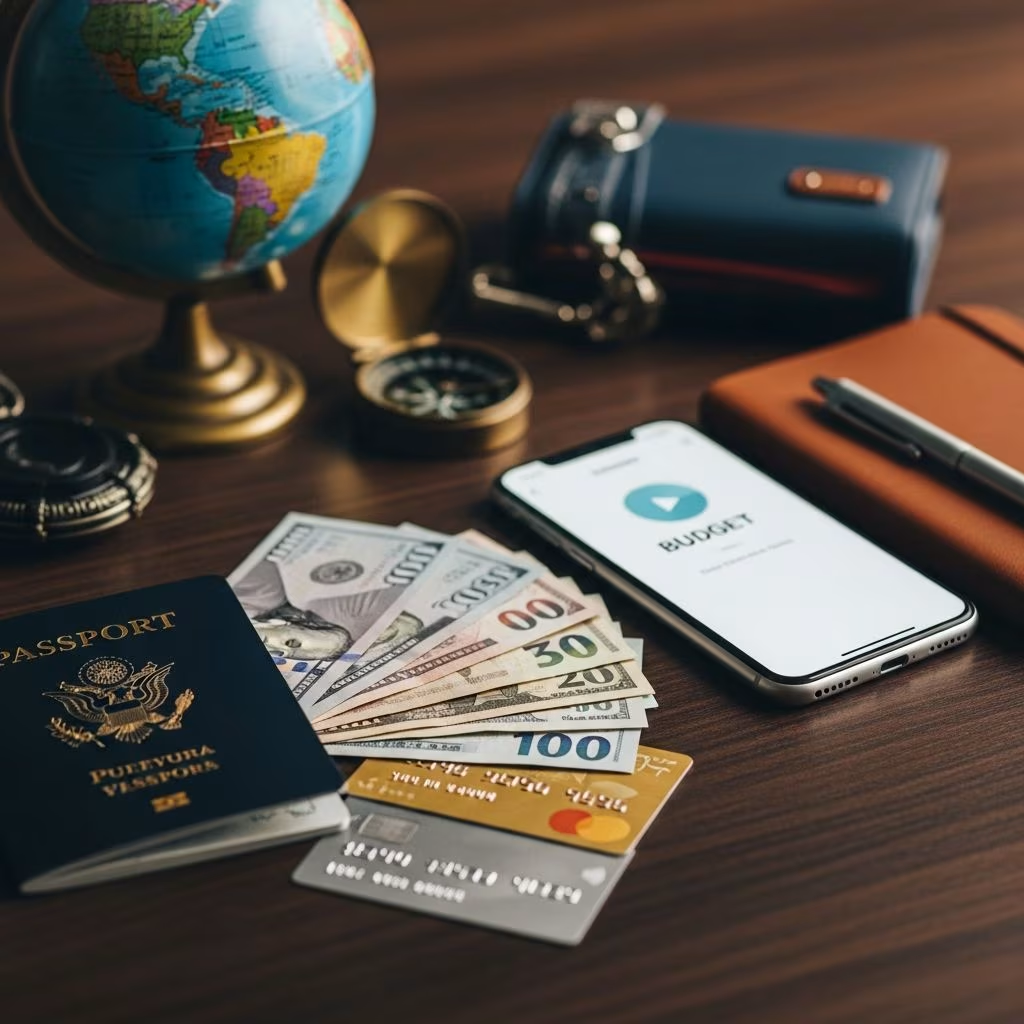 Travel Essentials
Planning a vacation should be exciting, not stressful. Yet for many travelers, the financial aspect of trip planning can overshadow the anticipation of exploration and adventure. The good news is that with proper planning and strategic decision-making, you can create a realistic travel budget that allows you to experience the destinations you’ve dreamed about without returning home with financial regrets.
The first step in any successful travel planning endeavor is determining how much money you can realistically allocate to your trip. This begins with an honest assessment of your financial situation. Rather than arbitrarily choosing a destination and hoping the costs align with your wallet, consider starting with a fixed budget ceiling—an amount you’ve determined is comfortable for you to spend.
Once you’ve established your overall budget limit, research what that money can realistically accomplish in your desired destination or destinations. Different regions of the world have vastly different costs associated with accommodations, dining, transportation, and attractions. A budget that stretches far in Southeast Asia might feel limiting in Western Europe, while the same amount could provide luxurious experiences in Central America.
Breaking your total budget into categories helps you understand where your money will go. Consider allocating percentages for:
This categorical breakdown serves as your financial roadmap, preventing overspending in one area from derailing your entire budget.
Before committing to a destination or finalizing your budget, comprehensive research about your chosen location is essential. Understanding the cost structure of your destination prevents budget shock and allows for more accurate financial planning.
Research typical accommodation prices across different neighborhoods and hotel categories. Check current food costs by looking at restaurant menus online or consulting travel forums where recent visitors share their dining expenses. Investigate the prices of attractions and activities you’re interested in experiencing. Look into local transportation costs and whether public transit passes or multi-day tickets offer better value than individual journeys.
Pay particular attention to timing factors that impact pricing:
Consulting multiple research sources provides a more complete picture. Travel guidebooks, tourism board websites, travel blogs from recent visitors, and review sites all offer valuable information about realistic current costs in your destination.
Airfare often represents the largest expense in any travel budget, making strategic flight booking crucial for overall cost management. Understanding airline pricing dynamics can result in substantial savings.
Booking flights well in advance typically yields better prices. Airlines release seat inventories up to a year ahead, and prices generally increase as departure dates approach, with particularly sharp increases in the final month before travel. Setting a calendar reminder to book 6-8 weeks before your planned departure puts you in a favorable position for pricing.
Beyond timing, several other flight booking strategies reduce costs:
Set up price alerts on flight comparison websites to monitor fare trends and be notified when prices drop for your chosen route.
A critical component of effective travel budgeting involves determining what truly matters to you personally. This requires honest reflection about your travel priorities and non-negotiables versus areas where you’re willing to economize.
Perhaps you’ve always dreamed of staying in beachfront accommodations with ocean views, and skimping on lodging would diminish your experience. That’s a valid priority. Alternatively, you might prioritize spending money on guided experiences like wildlife tours or cooking classes while being flexible about where you sleep. Another traveler might prioritize fine dining experiences while happily staying in budget-friendly hostels.
The key is intentional decision-making. By identifying your non-negotiables and allocating budget accordingly, you can then strategically reduce spending in less important categories without feeling deprived. This approach ensures your budget reflects your personal values rather than arbitrary cost-cutting that diminishes your enjoyment.
Lodging costs can be managed through creative alternatives to traditional hotel stays. Exploring these options often results in both cost savings and unique travel experiences:
Research neighborhood locations as well—staying outside tourist-centric areas frequently reduces accommodation costs while providing more authentic cultural experiences.
Food represents a significant travel expense, yet it’s an area where strategic choices dramatically impact your budget. Rather than eating every meal at restaurants, consider a balanced approach combining dining establishments with grocery shopping or street food experiences.
When researching dining costs, investigate average meal prices at various restaurant tiers in your destination. Many travelers find that eating lunch as their largest meal (when restaurant specials are available) and having lighter dinners reduces overall food costs. Street food and local markets typically offer authentic cuisine at lower prices than tourist-focused establishments.
If your accommodation includes kitchen facilities, purchasing groceries for some meals provides considerable savings, particularly for breakfast items and light lunches.
Destination timing significantly impacts all associated costs beyond just accommodations and airfare. Off-peak or shoulder seasons offer multiple advantages for budget-conscious travelers.
During these periods, not only are accommodations and flights less expensive, but restaurants, attractions, and transportation providers often offer discounts to attract visitors. Additionally, fewer tourists mean shorter queues, more authentic local interactions, and a more relaxed travel experience.
Research your destination’s climate, local holidays, major events, and tourism patterns. Avoiding peak season typically means 30-50% savings across most expense categories while potentially improving your overall travel quality.
Trip duration and daily activity intensity significantly influence overall costs. Rather than packing maximum activities into every day, structure your itinerary with realistic expectations about what you can accomplish and experience.
Account for travel days as full days in your budget—getting to new locations typically takes longer than anticipated when factoring in airport procedures, transportation connections, and settling into accommodations. Planning rest days ensures you maintain energy and actually enjoy your vacation rather than exhausting yourself with constant activity.
Identify must-see attractions and must-do experiences while leaving flexibility for spontaneous discoveries and downtime. This balanced approach prevents both overscheduling and the financial stress of constantly pursuing new activities.
Modern travel planning tools significantly streamline budget research and deal hunting. Utilize discount travel websites, flight comparison engines, and accommodation platforms to identify competitively-priced options.
Subscribe to newsletter alerts from airlines and travel deal sites to receive notifications about flash sales and promotional fares. Follow tourism boards and travel companies on social media for last-minute deals.
Travel budget calculators help you break down total trip costs and determine realistic monthly savings targets to meet your travel goals.
When traveling with family members or groups, budgeting complexity increases. However, group travel also creates opportunities for cost-sharing and bulk discounts.
Coordinate planning among all participants to ensure shared understanding of budget constraints. Negotiate group rates for accommodations and tours. Consider renting one vehicle rather than multiple ones. When dining, sharing plates at restaurants reduces individual meal costs.
Establish clear agreements about shared expenses versus individual costs before your trip to prevent financial misunderstandings during travel.
No budget accounts for every possibility. Building a 10-15% contingency buffer into your total budget allows for unexpected expenses without derailing your trip financially. This might cover unexpected attractions you discover, unplanned meals with new travel friends, or minor emergencies.
Maintain flexibility in your daily spending. If you discover an amazing experience beyond your original plans, you might reduce spending elsewhere to accommodate it. Conversely, if you spend more than anticipated on one category, you can adjust other areas accordingly.
Determining your total available funds and researching destination costs are equally critical. Without knowing your limits and the realistic costs of your destination, no other budgeting efforts succeed effectively.
Ideally, begin budgeting 3-6 months before your planned departure. This timeline allows sufficient research, strategic booking, and savings accumulation without rushed decision-making.
Consider adjusting trip length rather than eliminating the destination entirely. A shorter trip to your dream location might fit your budget better than a longer trip elsewhere. Alternatively, research less touristy areas within the destination or plan the trip for an off-peak season.
Absolutely. Comfort is subjective. Many budget travelers report more meaningful experiences than luxury travelers because they interact more authentically with locals and destinations. Prioritize what genuinely matters to you.
Research current exchange rates before departure. Avoid airport currency exchanges, which typically offer poor rates. Withdraw money from ATMs in your destination or use credit cards with no foreign transaction fees when possible.
Travel on a budget isn’t about depriving yourself of experiences—it’s about making intentional choices that align your spending with your values and priorities. By establishing realistic budgets, researching thoroughly, booking strategically, and remaining flexible, you create the financial foundation for meaningful travel experiences.
The satisfaction of returning home with unforgettable memories while maintaining financial responsibility provides its own rewards. Start planning today, follow these strategies, and soon you’ll be creating travel stories that justify every dollar spent.
