

 Travel Essentials
 Travel Essentials

Discover expert strategies for planning, navigating, and immersing yourself in Bhutan's unique wonders, from high-altitude hikes to cultural etiquette and sustainable exploration.
 Travel Essentials
Bhutan, the Himalayan kingdom renowned for its Gross National Happiness philosophy, offers travelers a profound blend of spiritual depth, breathtaking scenery, and authentic cultural immersion. To truly maximize your visit, focus on thoughtful planning, respect for local customs, and embracing the unhurried pace of this enchanting destination.
Crafting the right itinerary is essential for a fulfilling Bhutan trip. Aim for a duration of at least 10 to 14 days to allow ample time for acclimatization and exploration without rushing. Small group tours, ideally 4-8 people, enhance the experience by fostering deeper connections with guides and fellow travelers.
Begin your journey in Paro, the primary entry point via its scenic airport. From here, venture to Thimphu for urban insights, Punakha for fertile valleys, and Phobjikha for wildlife spotting. Customize based on interests like birdwatching, textiles, or spiritual retreats—many operators tailor hikes to remote monasteries or foraging expeditions.
Bhutan’s average elevation hovers around 3,000-3,250 meters, with peaks like Tiger’s Nest at 3,120 meters, making altitude sickness a real concern. Fly into Paro at 2,200 meters, but plan rest upon arrival: lie down, hydrate extensively, eat light meals, and skip alcohol for the first 1-2 days.
Avoid strenuous activities initially; carry personal medications and consult a doctor pre-trip. Guides monitor health closely, but symptoms like headaches or nausea warrant immediate descent. For high sites like Bumthang, gradual ascents are key.
| Altitude Level | Precautions | Tips |
|---|---|---|
| Low (up to 2,500m) | Rest and hydrate | Explore Paro town leisurely |
| Medium (2,500-3,500m) | Light meals, no alcohol | Punakha Valley visits |
| High (above 3,500m) | Medications, slow pace | Acclimatize 2 days prior |
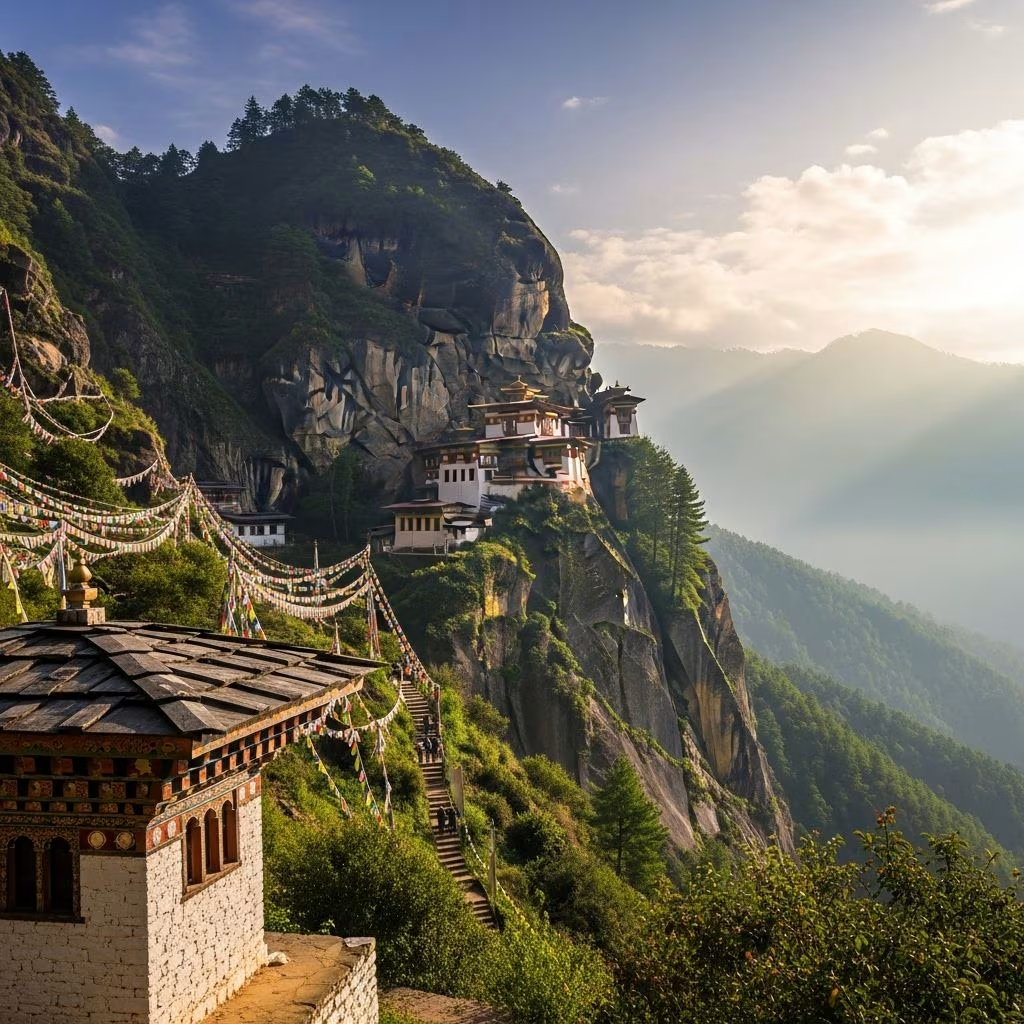
No Bhutan trip is complete without the pilgrimage to Paro Taktsang, or Tiger’s Nest Monastery, perched dramatically on a cliff. Save this 3-4 hour round-trip hike (800m ascent) for your final days after acclimatization. Start at dawn around 4-5 AM to beat crowds and heat; rent a walking stick for 100 BTN and bypass the midway cafeteria on ascent to maintain momentum.
Phobjikha Valley dazzles with biodiversity—spot black-necked cranes in winter amid glacial meadows. Other treks include overnight monastery stays for monk interactions, meditation, or even casual football games. Hot stone baths post-hike, infused with herbs and minerals, provide ultimate relaxation.
Bhutan’s temples and dzongs demand reverence. Always remove shoes, hats, and cameras before entering—photography inside is forbidden to foster presence. Dress modestly: cover shoulders and knees; opt for slip-on shoes and socks for efficiency.
Circumambulate chortens and prayer wheels clockwise. Step over thresholds, not on them. Accept holy water in cupped hands, sipping or applying to your forehead. Never point feet at Buddha images, touch heads, or sit on lamas’ thrones.
Time your visit for tshechus (festivals) featuring masked dances in dzong courtyards—photography is often allowed here. Homestays offer authentic stays: prepare with festival attire and comfort items. Interact respectfully; Bhutan’s warmth shines through shared meals and stories.
Bhutanese food packs heat—chilies star in ema datshi (chili-cheese stew), the national dish. Specify spice levels if sensitive. Try momos, red rice, and suja (butter tea). Paro’s cafes serve thalis, boba teas, and cakes alongside local fare. Vegetarians thrive with abundant options.
Hire vehicles with drivers via tour providers for comfort on winding roads. Update software and consider VPNs for connectivity. Respect norms: remove hats near elders, cover appropriately.
Bhutan prioritizes low-impact tourism via the SDF, funding conservation. Trek responsibly, support communities, and minimize waste. This philosophy amplifies your journey’s joy.
Spring (March-May) for rhododendrons and clear skies; autumn (September-November) for festivals and vistas.
Most visitors require clearance via licensed operators; Indians, Bangladeshis, and Maldivians enter visa-free.
Moderate; ponies assist ascent, but descending suits most fitness levels with preparation.
Layered clothing, rain gear, modest attire, altitude meds, reusable bottle, and power bank.
Includes SDF ($100/day high season), tours from $250/day covering guides, meals, lodging.
