

 Travel Essentials
 Travel Essentials

Plan a safer, more rewarding Himalayan trek with route, season, budget, gear, permits, and altitude tips for every experience level.
 Travel Essentials
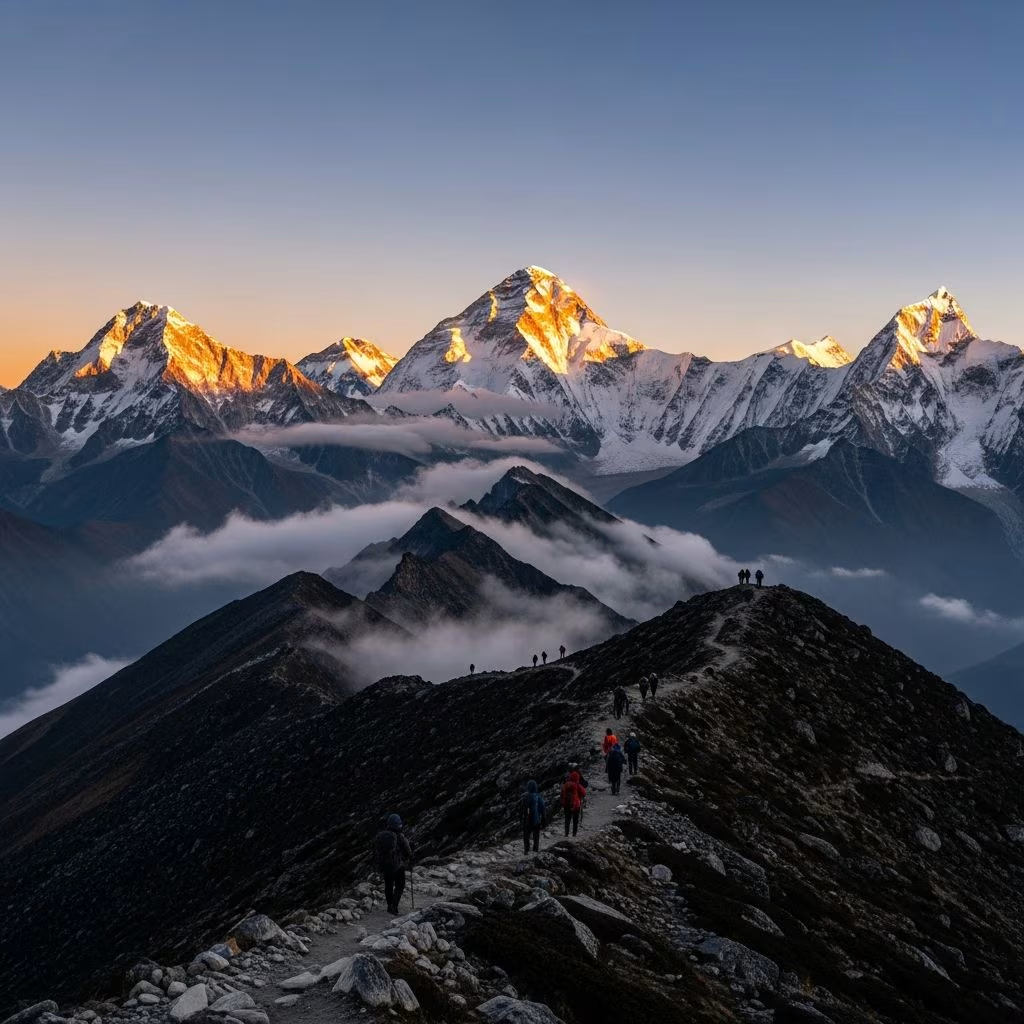
The Himalayan range stands as one of the world’s most majestic destinations, offering breathtaking vistas, spiritual serenity, and physical challenges for adventurers worldwide. Spanning countries like India, Nepal, Bhutan, and Tibet, these mountains draw millions seeking transformative experiences. Proper planning transforms a simple trip into a lifelong memory, balancing thrill with safety amid extreme altitudes and unpredictable weather.
Every Himalayan journey begins with clarity on personal objectives. Are you drawn to conquering high passes, exploring ancient monasteries, or immersing in remote village life? Defining goals shapes every decision, from route selection to duration.
Assess fitness levels honestly—cardiovascular training and strength exercises months ahead prepare the body for thin air and steep inclines.
Weather dictates feasibility; the Himalayas’ microclimates vary dramatically. Pre- and post-monsoon periods (March-May, September-November) offer clear skies and stable paths, ideal for most treks.
| Season | Best For | Challenges | Example Regions |
|---|---|---|---|
| Spring (Mar-May) | Blooming rhododendrons, mild temps | Occasional snow at passes | Annapurna, Ladakh |
| Autumn (Sep-Nov) | Crystal views, post-rain freshness | Cooling nights | Everest, Manaslu |
| Winter (Dec-Feb) | Snowscapes, fewer crowds | Extreme cold, closures | Lower Himachal trails |
| Summer (Jun-Aug) | Lush greenery, waterfalls | Heavy monsoons, leeches | Kailash region |
Avoid monsoons for high routes due to landslides; contingency weather days are crucial.
Diverse regions cater to varied tastes. Nepal dominates with iconic trails, while India’s Ladakh suits motorbike explorers.
Research accessibility—internal flights like Kathmandu-Lukla are scenic but weather-dependent.
Craft itineraries with acclimatization buffers; ascend gradually to prevent acute mountain sickness (AMS). Allocate rest days every 1,000m gain.
Sample 2-Week Everest Base Camp:
Include 2-3 contingency days for weather or health. For Ladakh: 10 days jeep-based, mixing drives and 5-day valley treks.
Costs range $1,000-$5,000 USD per person for 2 weeks, covering permits, guides, lodging, meals.
| Category | Estimated Cost (USD) | Tips |
|---|---|---|
| Flights (Intl + Domestic) | 500-1,200 | Book early; weight limits 10-15kg. |
| Permits/Fees | 50-200 | Nepal TIMS $20, Everest $50/week; India restricted areas extra. |
| Guide/Operator | 400-1,000 | Nepali firms cheaper, reliable logistics. |
| Accommodation/Meals | 300-600 | Teahouses $20-40/night incl. food. |
| Gear/Insurance | 200-500 | Comprehensive high-altitude policy mandatory. |
Opt for local operators to cut costs without skimping safety; get multiple quotes.
Layering combats temperature swings (-20°C nights to 20°C days). Prioritize broken-in boots, waterproofs.
Train with loaded pack hikes; medical check-up for vaccinations, fitness.
Regulations protect fragile ecosystems. Nepal requires TIMS and area permits; India needs Inner Line Permits for Ladakh. Operators handle paperwork—carry copies.
Transportation: Buses/jeeps to trailheads; contingency for flight delays. Book peak-season teahouses/lodges early.
AMS strikes above 2,500m—symptoms: headache, nausea. Descend if worsening; hydrate (4L/day), eat carbs.
Trek daylight hours; avoid solo beyond moderate routes. Insurance covering evacuation ($5,000+) essential.
Local Nepali/Indian firms offer value: pre-planned packages, porters (1:4 ratio), English-speaking guides with cultural insights. Vet reviews, insurance, contingency flexibility. Self-guided suits experienced only.
Annapurna Base Camp or Markha Valley—moderate difficulty, stunning views, good infrastructure.
Recommended for safety, navigation, altitude expertise; mandatory in restricted areas.
Acclimatize slowly, hydrate, avoid alcohol first days, consider prophylactic Diamox.
Not advised for high routes; join groups or hire guides.
Build 3-5 extra days; helicopters expensive backups.
With meticulous preparation, the Himalayas reward with unparalleled awe—infinite peaks, prayer flags fluttering, sherpa hospitality. Tailor to your pace, respect nature, and let the mountains change you.
