

 Travel Essentials
 Travel Essentials

Discover proven methods to prevent and unclog airplane ears, from simple maneuvers to gear and meds, ensuring comfort on every flight.
 Travel Essentials
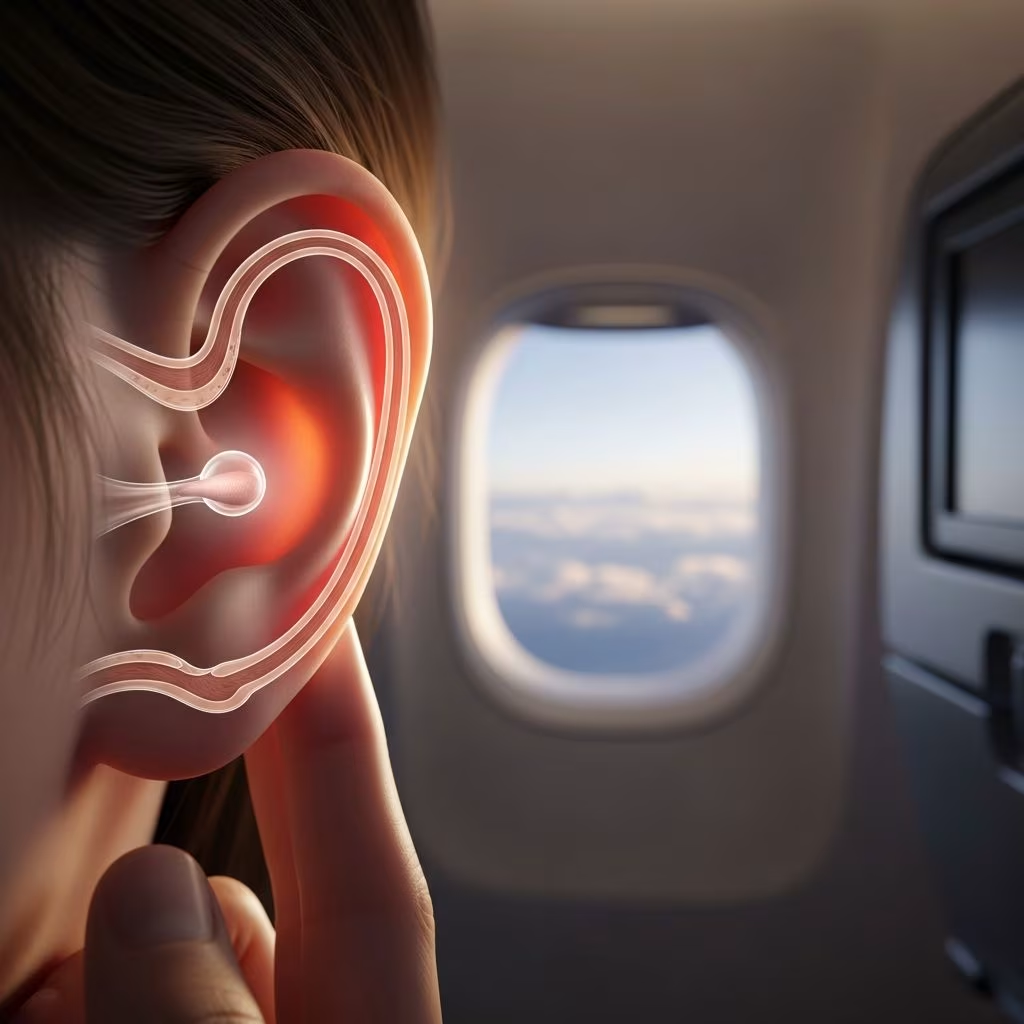
Air travel often brings the unwelcome sensation of clogged or pressurized ears, known medically as ear barotrauma or airplane ear. This occurs when rapid changes in cabin pressure during takeoff and landing fail to equalize through the Eustachian tubes, the narrow passages linking the middle ear to the throat. While common and usually temporary, it can cause significant discomfort, muffled hearing, or even pain if unaddressed. Understanding the science and employing targeted strategies can transform your flying experience into one free of ear woes.
The Eustachian tubes play a crucial role in maintaining equal pressure between the middle ear and the outside environment. At sea level, this balance is effortless. However, as planes ascend to cruising altitudes around 30,000 feet, cabin pressure drops to simulate 6,000-8,000 feet. During descent, pressure rises quickly. If the tubes don’t open to vent air, a vacuum forms, stretching the eardrum and causing that familiar ‘plugged’ feeling.
Factors like colds, allergies, or sinus congestion exacerbate the issue by swelling the tube linings, blocking airflow. Dehydration from dry cabin air thickens mucus, worsening the problem. Infants and children face higher risks due to shorter, less functional tubes, often leading to fussiness mid-flight.
Preparation begins well before takeoff. Hydration is key: drink ample water in the 24 hours prior to combat the dehydrating effects of low humidity and recycled air, which can thicken mucus and stiffen tube flaps. Avoid alcohol and caffeine, as they promote fluid loss.
If congested, consult a healthcare provider about oral decongestants like pseudoephedrine, taken 30-60 minutes pre-flight to shrink nasal swelling and ease tube opening. Nasal sprays such as oxymetazoline offer quick relief but limit use to 3-4 days to avoid rebound congestion. Allergy sufferers should dose antihistamines an hour ahead.
Practice maneuvers on the ground: yawn widely, swallow repeatedly, or chew gum to train muscle activation around the tubes. Pack essentials like gum, mints, or a water bottle for in-flight use.
The critical windows are ascent and descent, when pressure shifts fastest. Active intervention keeps tubes patent.
For stubborn blockages, try these doctor-recommended methods. Perform gently to avoid injury.
| Maneuver | Steps | Best For |
|---|---|---|
| Valsalva | Pinch nostrils shut, close mouth, exhale gently as if fogging a mirror (avoid forceful blowing). Repeat 5-10 times. | Landing; stronger pressure push. |
| Toynbee | Pinch nose, sip water or saliva, swallow while holding nose closed. | Takeoff; milder, hydration-aided. |
| Frenzel | Pinch nose, close mouth, push tongue against roof of mouth to force air via throat muscles (diver technique). | Expert users; no exhalation needed. |
Combine with jaw movements for best results. If flying with kids, use bottles, pacifiers, or snacks to prompt swallowing.
Specialized tools can buffer pressure changes.
Scuba divers recognize similar gear for underwater pressure management, underscoring its reliability.
If ears remain clogged after wheels touch down, don’t panic—most resolve within hours. Continue hydration and avoid smoke or allergens that irritate passages.
Over-the-counter pain relievers like ibuprofen reduce inflammation if aching persists. Symptoms lasting over 48 hours, severe pain, hearing loss, or discharge warrant a doctor visit to rule out infection or rupture.
Business travelers or those with chronic sinus issues benefit from routine pre-flight decongestants and hydration protocols. Pregnant individuals or those with heart conditions should skip decongestants—consult physicians first.
Children under 2 are prone due to immature tubes; nurses or feeding during phases minimizes cries. Elderly passengers with reduced tube function may need extra maneuvers or plugs.
For long-haul flights, stay active: walk the aisle, hydrate hourly. Choose seats away from engines for less noise-induced tension.
It’s risky—congestion heightens barotrauma odds. Use decongestants if cleared by a doctor; otherwise, postpone.
No, they mitigate but require yawning/swallowing combo for full effect.
Stop immediately; forceful Valsalva risks eardrum damage. Opt for gentler Toynbee.
Typically hours to a day; seek care if beyond 48 hours.
Yes: hydration, steam, maneuvers suffice for mild cases.
Beyond single trips, cultivate habits like daily nasal rinses with saline to keep passages clear. Annual ear check-ups catch issues early. Mindful breathing exercises enhance voluntary tube control over time.
Airlines maintain safe cabins, but passenger prep bridges the gap. Armed with knowledge, every ascent and descent becomes routine, not ordeal.
