

 Travel Essentials
 Travel Essentials

Learn proven steps to detect bed bugs in hotels, safeguard luggage during stays, and eliminate risks upon returning home for worry-free travel.
 Travel Essentials
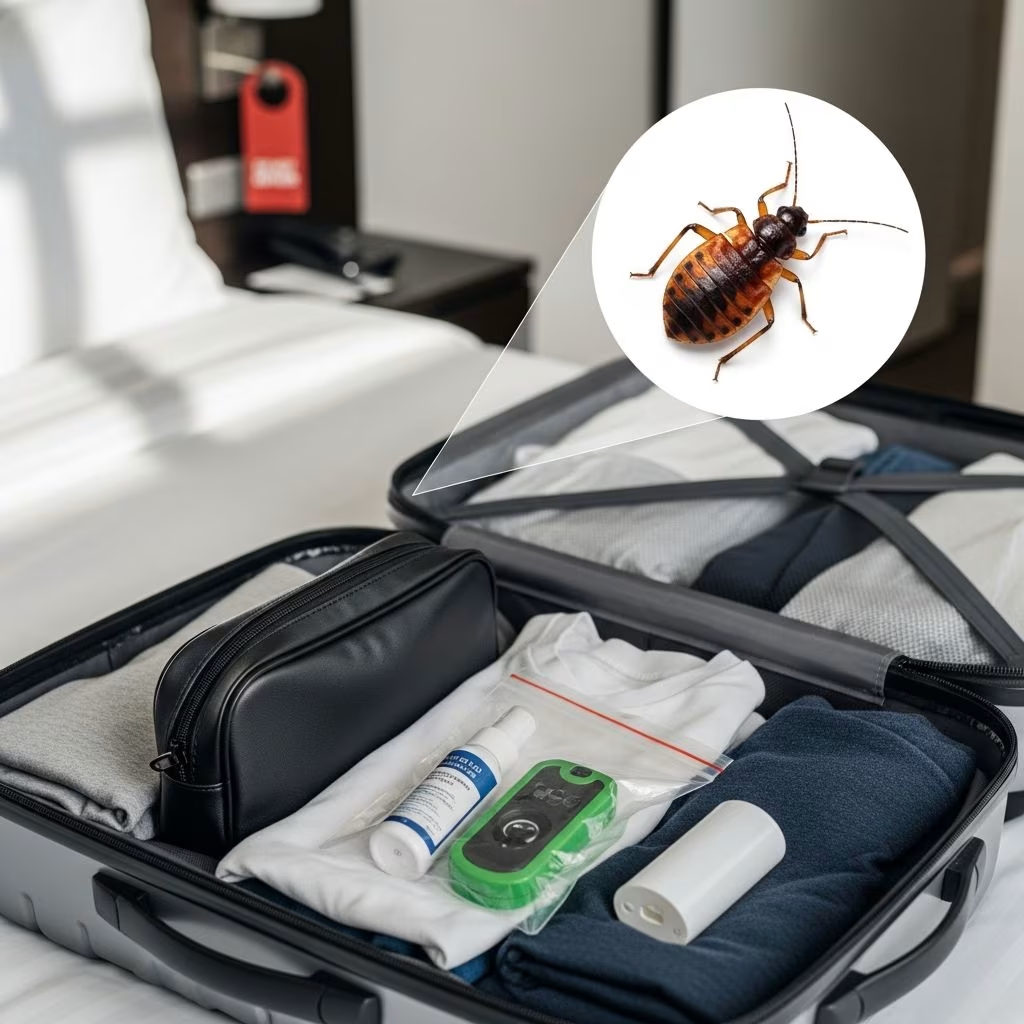
Bed bugs pose a hidden threat to travelers, capable of hitching rides in luggage and infesting homes. These resilient pests thrive in hotels and can survive long journeys, but proactive measures during and after trips can eliminate the risk entirely. This guide outlines practical, evidence-based tactics to inspect accommodations, secure belongings, and treat items upon return, drawing from authoritative pest management resources.
Bed bugs are small, flat insects about the size of an apple seed, often hiding in mattress seams, headboards, and furniture cracks. They feed on blood at night and spread easily through infested lodging. Travelers unknowingly transport them via clothing, bags, and shoes, leading to home infestations that are costly to eradicate. Early detection and isolation prevent this cycle.
Statistics from extension services indicate that infested hotels are widespread, with reviews often revealing prior complaints. Light-colored clothing aids visibility during inspections, as dark fabrics conceal tiny bugs or fecal spots resembling pepper grains.
Preparation begins before departure. Select accommodations wisely by reviewing recent guest feedback for mentions of insects or bites. Reputable establishments conduct routine pest checks, reducing exposure odds.
Consider permethrin-based repellents for luggage exteriors, effective for up to six days as a deterrent, though not a killer.
Upon entering a room, act immediately to assess safety. Position luggage in the bathroom or by the door—away from beds—while conducting a thorough scan.
| Area to Inspect | Key Signs | Action if Found |
|---|---|---|
| Mattress and seams | Dark spots, shed skins, live bugs | Request room change |
| Headboard and frame | Bugs in cracks | Report to management |
| Luggage rack | Bugs under straps | Avoid using; elevate bags elsewhere |
| Outlets, pictures, drapes | Fecal marks | Minimize contact |
| Bathroom and closet | Hidden clusters | Store items sealed |
Use a flashlight for crevices. Pull back linens fully and check walls behind furniture. If clear, elevate luggage on the inspected rack, pulled from walls to block climbing paths.
Keep bags zipped and off floors or beds. Use plastic organizers inside for extra layers. At day’s end, seal worn clothes in bags before vehicle entry.
Before checkout, unpack and recheck belongings under bright light, sealing suspects separately.
Do not enter your home with potentially exposed items. Unpack in a garage, mudroom, or outdoors on hard surfaces.
Heat is the most reliable killer—bugs and eggs die at 113°F (45°C).
Wash fabrics in hot water (100-120°F) if safe, but dryer alone suffices: high heat for 30+ minutes obliterates pests.
For luggage, vacuum seams thoroughly, disposing of contents outside. Scrub with hot soapy water or steam (reaching lethal temperatures).
Sun exposure in black bags can heat suitcases sufficiently, though monitoring is key. Commercial heat devices suit frequent travelers.
Non-porous items may go in freezers at 0°F for four days, but heat remains superior for bulk processing.
Adopt routines like post-trip luggage liners and routine sprays. Store empty bags elevated and sealed. Monitor home for six weeks post-travel via sticky traps.
Professional inspections benefit high-risk trips. Educate family on signs: itchy welts in lines, often dismissed as allergies.
Yes, they hide in folds and survive weeks without feeding, emerging at home.
When applied to exteriors per instructions, it repels without harming fabrics long-term.
Seal items, notify staff, switch rooms, and follow quarantine steps.
Regular services help, but vigilance is essential; check reviews.
Reactions vary; some notice within days, others later.
Consistent inspections, heat treatments, and isolation form a robust defense. These steps, validated by extension experts and agencies, minimize risks effectively.
