

 Travel Essentials
 Travel Essentials

Learn how cabin conditions affect skin health and implement evidence-based routines to maintain a radiant complexion before, during, and after air travel.
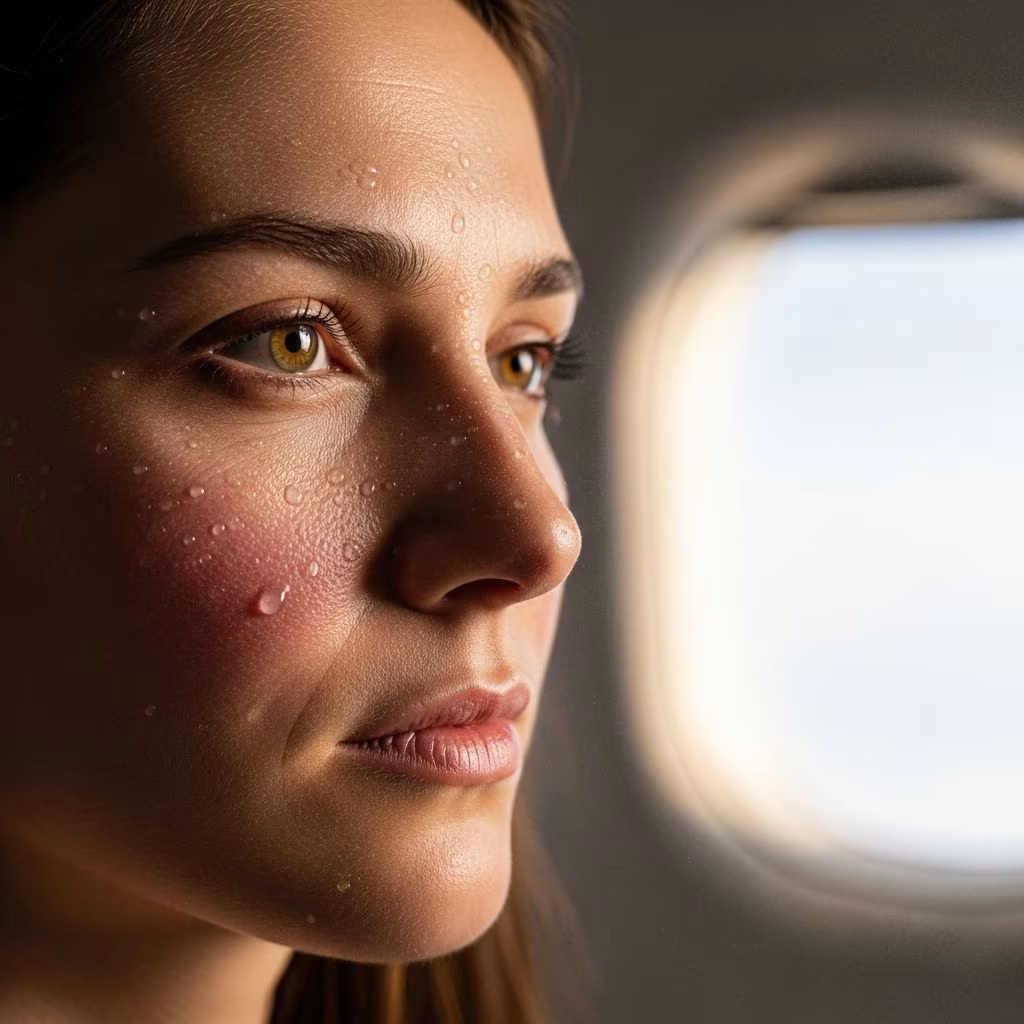 Travel Essentials
Air travel presents a unique challenge to skin health that many passengers overlook until they notice their reflection in the airplane lavatory mirror. The combination of environmental stressors at altitude creates conditions that accelerate moisture loss, impair circulation, and compromise the skin’s protective barrier. Understanding the physiological mechanisms behind these changes allows travelers to implement targeted interventions that preserve skin quality throughout their journey.
Commercial airplane cabins maintain humidity levels below 20 percent during flight—a dryness level comparable to desert environments. This extreme aridity creates a moisture gradient that pulls water directly from the skin’s outer layers. The phenomenon occurs because the cabin’s pressurization system intentionally circulates dry air to maintain structural integrity and passenger safety at high altitudes.
Beyond dehydration, multiple stressors compound skin deterioration during flight:
The cumulative effect of these stressors manifests as what travelers commonly call “flight face”—characterized by dehydration, dullness, puffiness, and increased breakout susceptibility.
Effective in-flight skincare begins before passengers arrive at the airport. Pre-flight preparation establishes a resilient skin foundation capable of withstanding cabin environmental stress.
The night before departure provides an optimal window for chemical exfoliation. Using gentle chemical exfoliants containing alpha-hydroxy acids or beta-hydroxy acids removes accumulated dead skin cells that otherwise trap sebum and bacteria during the flight. This preliminary treatment allows subsequent skincare products to penetrate more effectively and provides a clean slate for in-flight routines.
Following exfoliation, apply an overnight hydration serum to allow extended absorption during sleep. Products containing hyaluronic acid or polyglutamic acid offer superior hydration because these molecules bind water molecules to the skin without creating occlusion.
On the morning of travel, implement a three-step protective regimen across all exposed skin areas:
| Step | Product Type | Key Ingredients | Application Area |
|---|---|---|---|
| 1. Hydration | Lightweight Serum | Hyaluronic Acid | Face, neck, décolletage |
| 2. Moisturization | Facial Moisturizer | Ceramides, Glycerin | Full face and body |
| 3. Sun Protection | Broad-Spectrum SPF | UVA/UVB Filters | Face, hands, arms, ears |
Apply moisturizer to the entire body, prioritizing areas prone to dryness: hands, arms, feet, and elbows. This comprehensive approach prevents localized dehydration that becomes noticeable upon landing.
Regarding makeup application, consider minimizing or eliminating foundation before air travel. Heavy makeup creates an occlusive barrier that prevents skin from breathing and traps bacteria and sebum—a combination that frequently triggers post-flight breakouts. If coverage is desired, opt for lightweight tinted sunscreens with beneficial skin ingredients rather than traditional foundations.
Internal hydration status directly influences skin moisture retention. Begin consuming water substantially before airport arrival—the day before departure represents optimal timing. Simultaneously, eliminate diuretic beverages including caffeinated coffee, tea, and alcoholic drinks that increase urinary water loss and amplify dehydration effects.
Consider supplementing with vitamins A and D before travel, as these micronutrients support skin hydration and barrier function. Fish oil supplementation provides additional benefits through anti-inflammatory mechanisms that reduce cabin-stress-induced skin inflammation.
Once airborne, passengers transition to maintenance-focused skincare designed to counteract continuous environmental stress.
Consume approximately one glass of water every hour throughout flight duration. This hourly rhythm ensures consistent hydration without excessive fluid intake that might necessitate frequent lavatory visits. Bring an empty reusable water bottle and fill it after passing through airport security—this approach provides cost savings and environmental benefits while ensuring adequate fluid access.
Pack travel-sized versions of moisturizers and apply every few hours during flight. This frequent reapplication compensates for continuous moisture loss in the ultra-dry cabin environment. Prioritize hydrating serums with molecular humectants that draw moisture into the skin rather than occlusive creams that create surface films.
For extended flights, consider wearing a hydrating face mask during sleep periods. This technique creates a microclimate of increased humidity around facial skin, substantially reducing moisture loss during vulnerable sleep hours. Select leave-on formulations that do not require washing off mid-flight.
Passengers in window seats experience concentrated ultraviolet exposure that increases photoaging risk over time. Reapply broad-spectrum SPF sunscreen every two hours—or more frequently after beverage consumption or lavatory visits. This consistent application prevents cumulative UV damage that becomes evident only after frequent flying.
Minimize face touching during flight to prevent bacterial transfer from armrests, tray tables, and lavatory surfaces onto facial skin. Frequent touching introduces pathogens that colonize pores and trigger post-flight breakouts, particularly when combined with reduced circulation and impaired immune function associated with air travel.
Airplane meals and snacks frequently contain elevated sodium levels that promote fluid retention and facial bloating. Request meals lower in sodium, or pack whole-food snacks including fresh fruits and vegetables that provide hydration and micronutrients supporting skin health. Limit processed snacks high in salt that exacerbate puffiness.
Proper post-flight skincare maximizes restoration during the critical window immediately following landing.
Upon deplaning, wash hands first—then gently cleanse facial skin using oil-based cleansers that dissolve accumulated sebum and impurities from recycled cabin air. Oil cleansing avoids harsh surfactants that further compromise already-stressed skin barriers. Follow cleansing with gentle moisturizer application to soothe irritated, dehydrated skin.
The delicate eye region frequently displays pronounced signs of travel stress through puffiness and dark circles. Apply cooling eye solutions or hydrating eye patches specifically formulated to reduce inflammation and restore radiance. These targeted treatments address vulnerability in thinner-skinned facial areas.
Even after landing, maintain daily broad-spectrum sunscreen application, especially when exploring destinations featuring intense sun exposure. UV damage accumulates incrementally, and post-flight skin is particularly vulnerable to additional photodamage due to compromised barrier function.
If several hours remain before evening commitments, apply intensive hydrating masks or moisturizing lotions to accelerate recovery. For overnight recovery, apply thick facial creams before sleep, allowing extended contact time for deep hydration and barrier repair.
Individuals flying multiple times monthly face compounded skin stress from repeated cabin exposure. Dermatological literature documents that airline pilots and cabin crew members experience melanoma rates twice as high as the general population, reflecting cumulative UV exposure effects.
Frequent flyers should implement enhanced protective measures:
While sheet masks provide temporary hydration benefits, their effectiveness depends on proper application timing and product formulation. Apply masks after thorough cleansing but allow adequate time for products to absorb before movement. Leave-on hydrating masks offer superior benefits to rinse-off formulations for flight applications.
Recycled cabin air combined with reduced circulation and increased stress hormones creates an ideal environment for breakout development. Preventative exfoliation before flight substantially reduces breakout incidence by removing dead skin cells that trap sebum.
Most flight-induced skin changes—including dehydration and puffiness—resolve within 24 to 48 hours of proper post-flight skincare. However, sleep disruption effects may persist longer. Prioritize sleep during post-flight recovery to allow complete restoration of skin condition.
UV radiation intensity increases approximately 10 percent for every 1,000 meters of altitude gain. At cruising altitude (approximately 10,000 meters), UV exposure intensity increases substantially, necessitating consistent SPF reapplication every two hours during flight.
Optimal skincare during air travel reflects individual skin type, flight duration, and destination climate. Dry skin types require more frequent moisturizer application and richer product formulations. Acne-prone skin benefits from exfoliation emphasis and frequent hands-off discipline. Sensitive skin demands gentler products with minimal active ingredients that might trigger irritation responses in the stressed cabin environment.
Develop a flight-specific skincare kit containing travel-sized versions of your core products: hydrating serum, moisturizer, sunscreen, and lip balm. This dedicated kit ensures necessary products remain accessible throughout flight duration without requiring security checkpoint transfers or airport shopping at premium prices.
By understanding the specific physiological challenges air travel presents and implementing evidence-based protective strategies, passengers can arrive at destinations with their skin condition preserved rather than compromised. Preventative preparation, consistent in-flight maintenance, and strategic post-flight recovery combine to transform air travel from a skin-damaging necessity into a manageable aspect of modern travel.
