

 Travel Essentials
 Travel Essentials

Learn practical methods to reduce microplastic exposure through better water bottle choices, filtration systems, and travel hydration habits for health-conscious travelers.
 Travel Essentials
As travelers prioritize both wellness and environmental responsibility, the issue of microplastic contamination in drinking water has emerged as a significant concern. Microplastics—tiny plastic particles measuring less than five millimeters—have been detected in water supplies worldwide, with bottled water containing substantially higher concentrations than tap water sources. Understanding how to minimize exposure to these particles while maintaining convenient hydration during travel requires knowledge of multiple strategies, from selecting appropriate containers to implementing effective filtration methods.
The proliferation of single-use plastic water bottles has created an unintended consequence: widespread microplastic contamination in both the products themselves and the broader water supply. Research demonstrates that bottled water can expose consumers to approximately six times more microplastics compared to tap water consumption. Furthermore, studies have identified nanoplastics—particles even smaller than microplastics—in excessive amounts within commercially bottled water products available in the United States.
The mechanism behind this contamination involves multiple pathways. Plastic bottles degrade over time, particularly when exposed to temperature fluctuations, sunlight, and physical stress during transport and storage. Additionally, the manufacturing and packaging processes themselves can introduce plastic particles into the water before it reaches consumers. For travelers who frequently purchase bottled water in unfamiliar locations, this exposure becomes compounded, making it essential to develop alternative hydration strategies.
The foundation of reducing microplastic exposure during travel begins with choosing the right water bottle. Not all reusable bottles offer equal protection against plastic contamination. Understanding the distinctions between various materials and their construction methods is crucial for making informed purchasing decisions.
Stainless steel bottles represent a popular choice for travelers seeking durable, reusable alternatives to plastic. However, many conventional stainless steel bottles contain plastic components, particularly within their lid mechanisms and internal drinking surfaces. To maximize protection, travelers should select bottles featuring completely stainless steel interior construction, including the lid and any internal components that contact water. Bottles with screw-on caps typically provide better plastic-free options compared to those with complex spout or straw mechanisms, which often incorporate multiple plastic components.
Brands offering genuinely plastic-free stainless steel designs include options with flex-cap technology and traditional threaded closure systems. These designs eliminate the extensive plastic parts found in more complex lid styles, making them superior choices for microplastic reduction.
Glass water bottles provide complete protection against microplastic leaching, as the material neither degrades into particles nor leaches chemicals into stored water. While heavier and more fragile than stainless steel, glass bottles serve as an excellent option for travelers prioritizing absolute microplastic elimination over portability. Certain manufacturers produce glass bottles designed specifically for travel, incorporating protective sleeves that reduce breakage risk while maintaining the contamination-free benefits of glass construction.
Titanium represents another premium alternative, offering lightweight durability comparable to stainless steel while providing similar microplastic protection. Though more expensive than standard options, titanium bottles appeal to weight-conscious travelers and represent worthwhile investments for frequent adventurers.
Beyond container selection, active water filtration during travel provides an additional layer of protection against microplastic exposure. Multiple filtration technologies exist, each with distinct capabilities and practical applications for travelers.
Point-of-use filters installed at the tap or incorporated into portable bottles represent practical solutions for reducing microplastic consumption while traveling. Filters certified with NSF/ANSI 401 standards have demonstrated effectiveness in removing microplastics from tap water. Reverse osmosis systems and those utilizing nanofiltration membranes offer superior microplastic removal compared to basic carbon filters, though they may require more maintenance and generate wastewater.
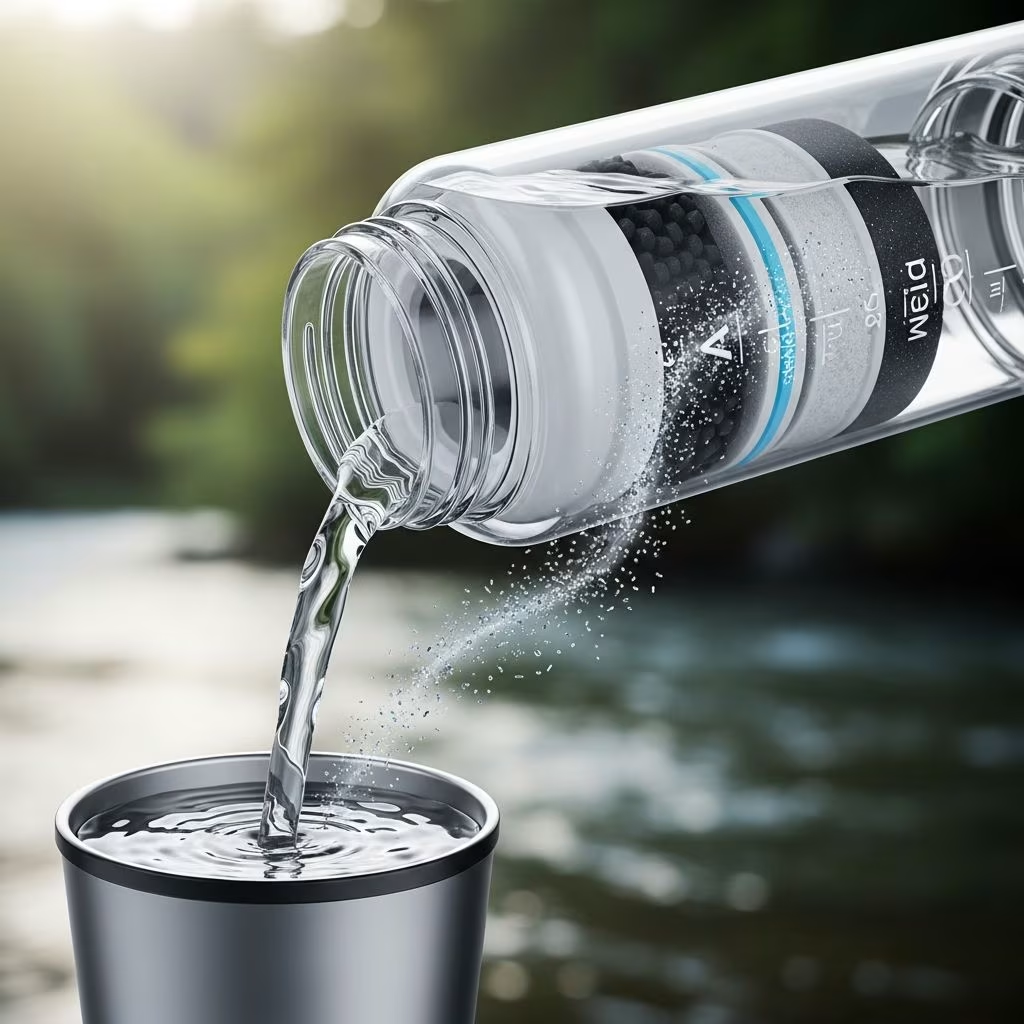
For travelers, portable filtration bottles that incorporate advanced membrane technology into their structure provide convenience without requiring separate equipment. These integrated systems allow users to fill bottles from questionable water sources while significantly reducing contamination risks.
Research indicates that boiling tap water correlates with reduced microplastic ingestion. While boiling does not technically remove existing microplastics, the process may cause some particles to precipitate or aggregate, potentially affecting bioavailability. For travelers in regions with particularly concerning water quality, boiling tap water before consumption or using it for beverage preparation offers a simple, cost-free supplementary measure.
The temperature exposure of plastic containers significantly influences microplastic migration into beverages and food. Understanding these mechanisms helps travelers make better choices about how they store and consume liquids during trips.
Multiple studies demonstrate that microwaving food in plastic containers and heating beverages in plastic-lined vessels causes substantial microplastic release. The quantities involved are striking: heating plastics can introduce millions of microplastics or even billions of nanoplastics into food and beverages. For travelers, this means avoiding plastic cups for hot beverages, not heating meals in plastic containers, and being particularly cautious about beverages that may be served in plastic cups with lids.
Interestingly, extended cold storage also contributes to microplastic and nanoplastic release from plastic containers. Travelers should be aware that storing drinks or food in plastic while using refrigeration facilities at accommodations can still contribute to contamination. When possible, transferring items to glass or stainless steel containers mitigates this concern.
Water represents only one avenue of microplastic exposure. Travelers who understand food-based contamination sources can make strategic dietary choices that significantly reduce overall microplastic intake during trips.
Marine organisms concentrate microplastics through environmental exposure, and consuming these creatures directly introduces accumulated particles into the human digestive system. Travelers can reduce this risk by selecting seafood from trusted, sustainably managed sources when possible, and by limiting consumption of particularly vulnerable species that tend to accumulate higher microplastic loads. Choosing larger fish species and avoiding shellfish that filter large water quantities also helps minimize exposure.
Food packaged in plastic—from fresh produce wrapped in film to snacks in plastic bags—can introduce microplastics simply through package opening and handling. Travelers should prioritize unpackaged options when available, such as fruits and vegetables from local markets, bulk items that can be transferred to personal containers, and fresh prepared foods from restaurants rather than pre-packaged alternatives.
Thoroughly rinsing fruits and vegetables removes plastic particles that may have settled on surfaces during cultivation, handling, and transport. This simple practice, particularly important for travelers consuming foods from unfamiliar sources, provides meaningful microplastic reduction without requiring special equipment.
| Hydration Strategy | Microplastic Reduction Level | Practical for Travel | Cost Consideration |
|---|---|---|---|
| Filtered tap water in stainless steel bottle | High | Yes | Moderate initial investment |
| Single-use bottled water | Low | Convenient but ineffective | High ongoing costs |
| Glass bottle with boiled water | Very High | Yes, if not frequent hiking | Low to moderate |
| Portable filtration bottle | High | Excellent | Moderate |
| Tap water without filtration | Moderate | Always available | Free |
Travelers face unique circumstances that complicate microplastic reduction efforts. Developing strategies tailored to specific travel contexts ensures sustained healthy hydration practices regardless of destination or trip duration.
Different countries maintain varying water safety standards and filtration practices. Travelers moving between regions should research local tap water quality and consider maintaining portable filtration systems that work across different water chemistries. NSF/ANSI 401 certified filters provide consistent microplastic reduction regardless of source water characteristics.
Reusable bottles require regular cleaning, and travelers must balance cleanliness with practical water access. Bottles with easily disassembled components allow thorough cleaning with minimal water consumption, making them particularly suitable for trips where water conservation matters or cleaning facilities are limited.
Research indicates bottled water can contain up to six times more microplastics than tap water. Some studies have identified as many as 240,000 microplastic particles in bottled water samples compared to fewer than 50 particles in equivalent tap water quantities.
Boiling does not remove microplastics but correlates with reduced ingestion. The process may cause some particles to precipitate but should not be considered a complete solution. Filtration remains more effective.
Glass and titanium offer complete protection, while properly manufactured stainless steel bottles with plastic-free interiors provide excellent microplastic prevention. Bottles with complex plastic lids or internal plastic components compromise these benefits.
Safety varies by location. Portable filtration systems rated NSF/ANSI 401 can improve safety in most regions, though travelers should research specific destination water quality and may choose to use bottled water in regions with severely compromised supplies.
Heating plastic to any elevated temperature accelerates microplastic leaching. Even warm (not boiling) liquids in plastic containers contribute to contamination, making room-temperature storage and glass or stainless steel containers preferable for all beverages and foods.
Successfully reducing microplastic exposure during travel requires developing consistent practices that become automatic rather than burdensome. Travelers benefit from establishing routines around bottle selection, water filtration, and food choices that align with their specific travel patterns and destination characteristics.
Investing in quality reusable containers represents the most significant step. A durable stainless steel or glass bottle provides years of reliable service and eliminates the environmental and health costs of single-use plastic bottles. Pairing this investment with portable filtration capabilities or research into local tap water quality creates a comprehensive approach to healthy travel hydration.
Beyond personal health benefits, these practices contribute to broader environmental protection by reducing demand for single-use plastic bottles and supporting markets for sustainable alternatives. Travelers who prioritize microplastic reduction become ambassadors for healthier, more environmentally conscious consumption patterns that influence peer behavior and market preferences.
