

 Travel Essentials
 Travel Essentials

Lower your travel carbon footprint with smarter booking, greener transport, and simple habits that make every trip more sustainable.
 Travel Essentials
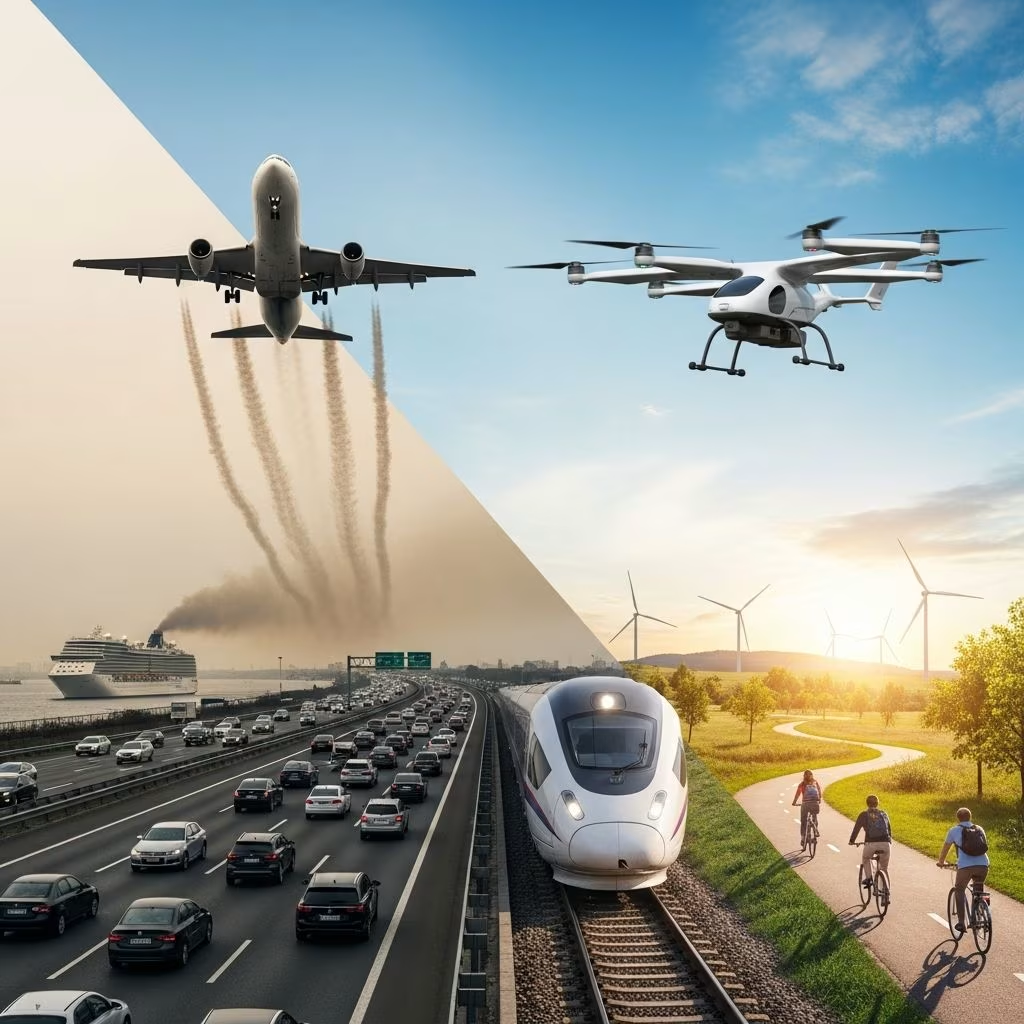
Traveling responsibly means prioritizing choices that limit greenhouse gas emissions while preserving the joy of discovery. Aviation and road transport dominate travel-related CO2 output, but simple shifts like selecting direct flights or public transit can significantly lower your impact.
Transportation ranks as the top source of carbon emissions in places like the United States, with personal vehicles and airplanes leading the charge. Commercial aviation alone contributes about 2% of global human-induced GHG emissions, a figure rising rapidly due to increased air travel. These emissions accelerate climate change, affecting ecosystems and communities worldwide. By adopting greener habits, travelers can help curb this trend without forgoing exploration.
Sustainable travel extends beyond emissions to include noise pollution from planes disrupting wildlife and reduced strain on local resources. Tools like carbon calculators reveal your trip’s footprint, using factors such as distance, vehicle type, and class of service. For instance, air travel emits 0.13 to 0.80 kg CO2e per passenger kilometer, varying by flight length and seating.
Planning sets the foundation for low-emission trips. Start by questioning necessity: can virtual meetings replace in-person ones, or can trips be combined? Organizations like PwC cut business travel emissions by 61% from 2007 to 2022 through such strategies, nearly doubling operations while slashing per-employee output by 84%.
Research destinations with strong public transit networks or walkable areas to avoid car rentals.
Avoiding air travel delivers the biggest cuts. Trains and buses emit far less per passenger than planes, especially for medium distances. In Europe, high-speed rails connect cities efficiently; in the U.S., Amtrak offers scenic, low-emission routes.
| Mode | CO2e per Passenger Km (kg) | Best For |
|---|---|---|
| Airplane (Economy) | 0.13-0.80 | Long-haul only |
| Train | ~0.04 | Medium distances |
| Bus | ~0.05 | Budget regional |
| Car (solo) | ~0.20 | Avoid if possible |
Public options save money and immerse you in local culture. Plan routes via apps for seamless schedules, embracing any delays as part of the experience.
If flying is unavoidable, minimize impact. Nonstop flights reduce fuel burn from takeoffs and landings. Pack light: lighter loads mean less fuel, cutting emissions and baggage fees.
Economy class emits less per person than premium seats, per ICAO’s approved calculator. Fly off-peak to ease air traffic congestion. Choose airlines investing in sustainable aviation fuel or offsets.
Once there, ditch rental cars for walking, biking, rideshares, or transit. Electric or hybrid rentals cut emissions if driving is essential; smaller vehicles burn less fuel. Many cities offer bike-sharing for short hops.
Support local by shopping markets, reducing transport of imported goods. Reuse items and recycle to extend sustainability.
Select accommodations with green certifications, using renewable energy and water-saving tech. Eco-lodges often prioritize local sourcing, benefiting communities. Verify claims through third-party audits to avoid greenwashing.
Offsets fund projects like reforestation or renewables to neutralize your footprint. Calculators from reliable sources like DESNZ provide accurate estimates. Purchase verified credits post-trip for transparency.
Cruises emit 189-561 kg CO2e per passenger day, so offset accordingly. Offsets complement, not replace, direct reductions.
Small actions compound: eat plant-based meals to lower food miles’ emissions, walk more, and limit souvenirs. Track habits with apps integrating calculators.
For groups, carpool or vans spread emissions. Governments promote efficient vehicles and transit shifts.
Aviation accounts for 2% of global GHG emissions, with per-passenger output rising by class and distance.
Choose verified programs supporting measurable projects like renewables.
Trains emit far less CO2e per km.
Yes, per ICAO data, due to space efficiency.
Use tools with DESNZ factors for flights, cars, etc.
Build habits like annual carbon budgets or loyalty to green airlines. Join programs promoting systemic change. Businesses thrive by halving travel via tech, as PwC demonstrates.
Extend stays to amortize flights’ impact. Hire local guides, cutting international flights. Policy shifts, like approval for non-essential trips, reinforce choices.
Incorporate nature positively: choose low-impact activities like hiking over motorized tours. Support protected areas through fees.
Technology aids: apps optimize routes, predict transit. Electric vehicles proliferate, with charging networks expanding.
Advocate: share low-emission itineraries, influence peers. Collective action amplifies individual efforts.
