 Stays
StaysStays
How to Sleep Better While Traveling
Discover expert strategies to combat jet lag, unfamiliar beds, and disruptions for deeper sleep on every trip. From circadian hacks to essential gear.
 Stays
StaysTraveling promises adventure and relaxation, yet poor sleep often undermines the experience. Unfamiliar environments, time zone shifts, and disrupted routines can fragment rest, leaving you fatigued. This guide draws from medical insights to deliver actionable methods for optimizing sleep quality abroad, ensuring you wake refreshed and ready to explore.
Understanding Sleep Challenges During Travel
Your body’s internal clock, known as the circadian rhythm, relies on consistency in light, activity, and timing. Jet lag occurs when rapid travel desynchronizes this rhythm from local time, causing insomnia or daytime drowsiness. New beds introduce discomfort, while noise, light pollution, and temperature variations further hinder deep sleep stages essential for recovery. Studies show travelers lose up to two hours of sleep per night initially, amplifying stress and reducing enjoyment.
Common culprits include extended daylight in summer destinations suppressing melatonin, the sleep hormone, and overstimulation from activities delaying wind-down. By addressing these proactively, you can minimize disruptions and maintain vitality.
Mastering Your Circadian Rhythm with Light
Light is the most potent regulator of your internal clock. Exposure patterns signal wakefulness or rest to your brain.
- Morning sunlight: Spend 10-15 minutes outdoors upon waking to anchor your rhythm. This suppresses lingering melatonin and boosts alertness, especially eastbound.
- Evening dimming: Avoid bright light after sunset. Use sunglasses on early arrivals to mornings or seek shaded areas, pushing your clock forward.
- Directional adjustments: Eastward travel? Maximize late-morning light. Westward? Evening exposure helps delay your cycle.
Health experts from Johns Hopkins emphasize light’s superiority over supplements for rhythm resets, as it directly influences the suprachiasmatic nucleus in the brain.
Pre-Trip Preparation for Seamless Adjustment
Anticipate changes to ease transitions. Start shifting your schedule days ahead.
| Travel Direction | Pre-Trip Shift | Daily Adjustment |
|---|---|---|
| East (e.g., US to Europe) | Bed 1 hour earlier, 3 days prior | Advance by 1-2 hours/day |
| West (e.g., Europe to US) | Bed 1 hour later, 3 days prior | Delay by 1-2 hours/day |
Prioritize quality sleep pre-departure with a calm evening routine. Pack efficiently to reduce stress.
Building a Portable Sleep Sanctuary
Unfamiliar rooms challenge rest. Replicate home conditions with essentials.
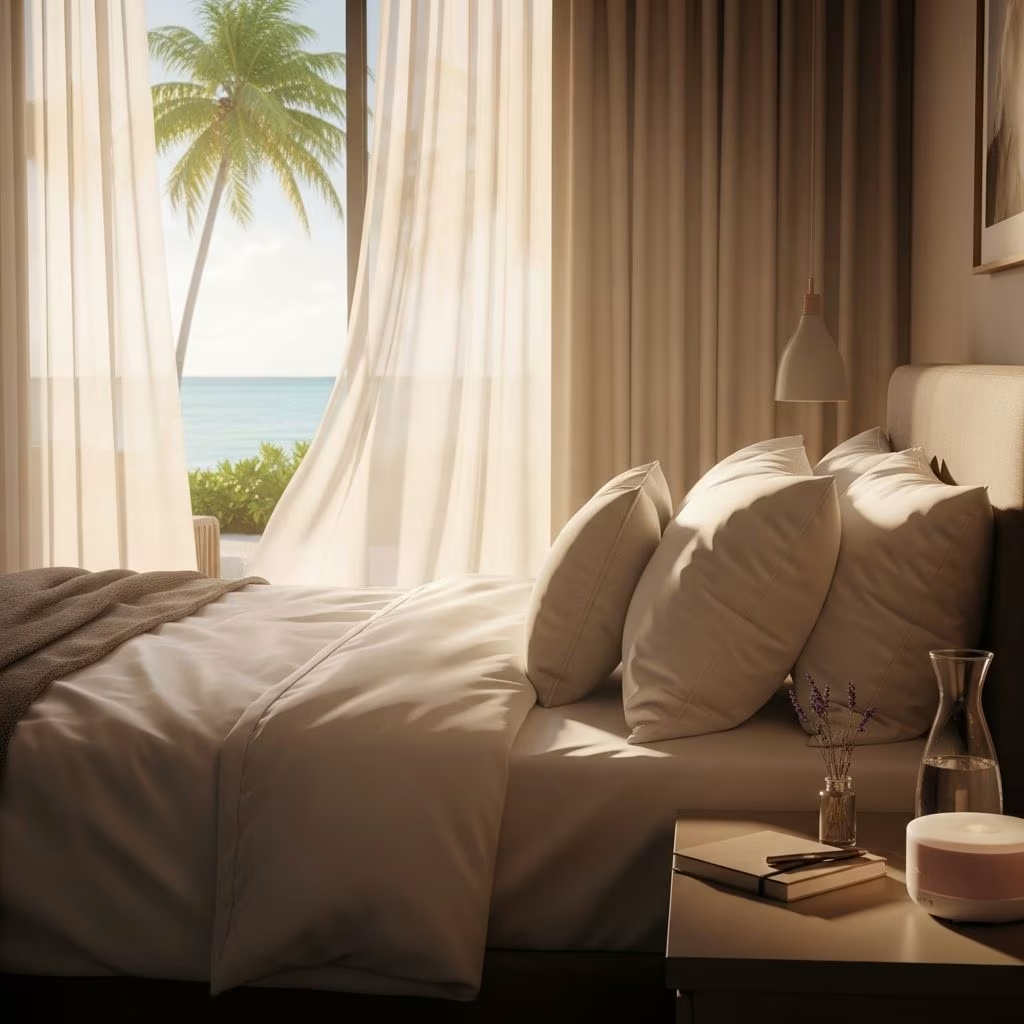
- Eye mask and earplugs: Block stray light and noise from hotels or Airbnbs.
- Travel pillow or white noise device: Maintain neck support and mask disruptions.
- Breathable linens: Lightweight sheets wick moisture in warm climates.
Request high-floor rooms away from elevators for quieter stays. Keep the space cool at 66-68°F using fans or AC.
Daily Routines to Sustain Quality Rest
Consistency signals safety to your nervous system.
- Wake and sleep times: Stick within 30-60 minutes of home norms, even with festivities.
- Morning movement: Light exercise like walking advances your clock and enhances depth sleep.
- Evening wind-down: Dim lights, stretch, read, or meditate 1 hour pre-bed. Avoid naps over 20 minutes.
These habits preserve REM and deep sleep, crucial for memory and immunity.
Nutrition and Hydration for Nightly Recovery
Indulgences impact cycles profoundly.
- Limit caffeine post-noon: It lingers 6+ hours, blocking adenosine.
- Moderate alcohol: Reduces REM, increases wake-ups despite initial drowsiness.
- Light dinners: Avoid heavy meals 3 hours before bed; opt for magnesium sources like nuts, bananas, or herbal tea.
- Hydrate strategically: Ample daytime water, taper evenings to prevent interruptions.
In hot destinations, cool showers lower core temperature for faster sleep onset.
Technology and Screen Management
Blue light mimics daylight, delaying melatonin by hours.
- Cease devices 2 hours pre-bed; use night mode if essential.
- Employ apps blocking blue spectrum or read physical books.
This simple shift can reclaim 30-60 minutes of sleep time nightly.
Jet Lag Supplements and Aids
Melatonin nudges natural production, peaking 2 hours pre-bed. Use 0.5-5mg for short-term jet lag, prioritizing light therapy. Consult physicians for interactions. Avoid habitual reliance.
Overcoming Environmental Hurdles
Summer heat disrupts by elevating temperature during REM. Counter with:
- Active cooling mattresses or fans.
- Breathable sleepwear in cotton/bamboo.
- Blackout measures for long days.
For families, separate routines prevent chain disruptions.
FAQs: Quick Answers for Travelers
How long does jet lag last?
Typically 1 day per time zone crossed; westward recovery is faster.
Best sleep position on flights?
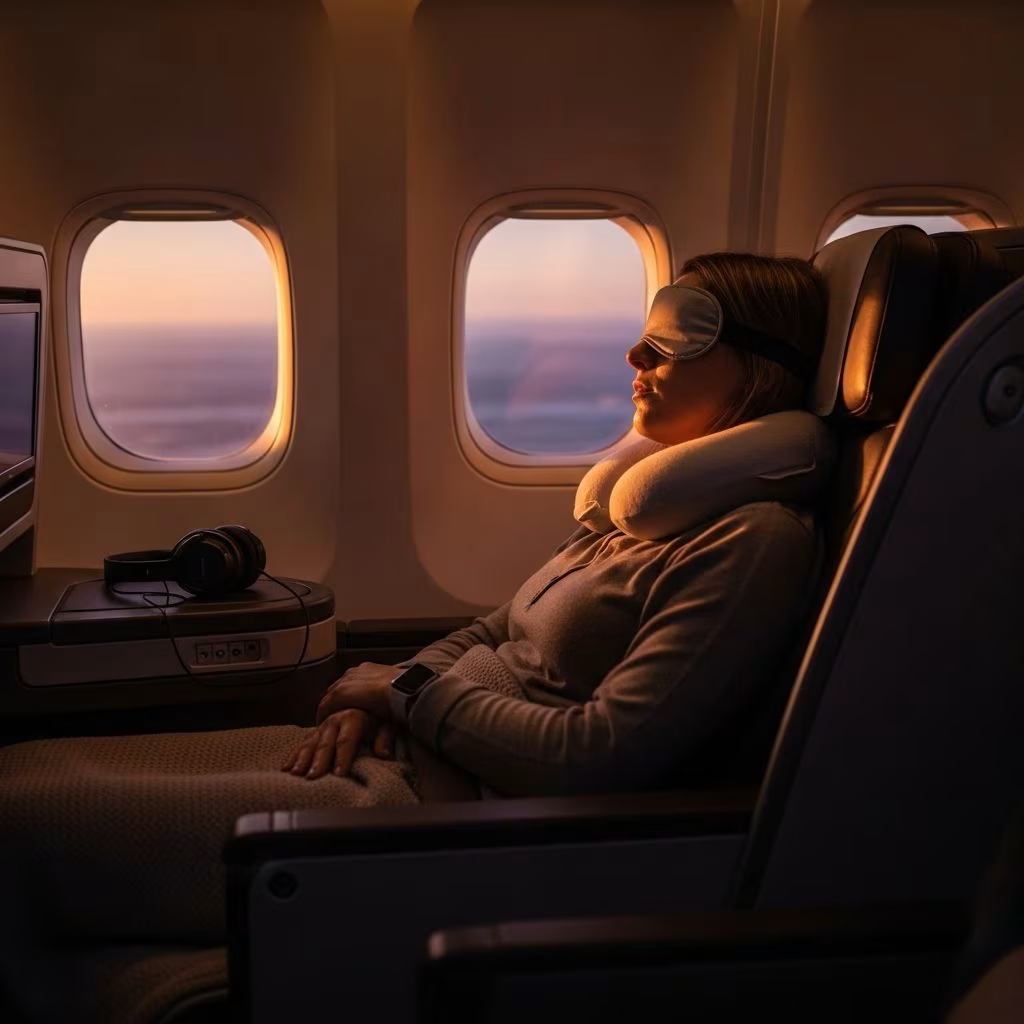
Recline fully with neck support; window seats minimize disturbances.
Can naps help or hurt?
Short 20-minute ones boost energy; longer steal nighttime sleep.
Safe for kids?
Yes, adapt routines gradually; use familiar toys for comfort.
Post-trip recovery?
Reverse pre-shift; expose to home-zone light immediately.
Long-Term Benefits of Travel-Optimized Sleep
Consistent application yields sharper focus, elevated mood, and fortified immunity, transforming trips into true rejuvenation. Track progress with journals to refine personal strategies.
References
- Holiday Sleep Tips: How to Protect Your Sleep During Travel & Stress — CSMA Clinic. 2023. https://www.csma.clinic/post/holiday-sleep-tips-how-to-protect-your-sleep-during-travel-stress
- Summertime Slumber: Your Guide To Better Sleep — Henry Ford Health. 2021-06. https://www.henryford.com/blog/2021/06/summertime-sleep
- How to Sleep Better on Vacation | Summer Sleep Tips — Essentia. 2023. https://myessentia.com/blogs/under-the-covers/summer-vacation-sleep-tips
- 6 Tips for Better Sleep When You Travel — Johns Hopkins Medicine. 2023. https://www.hopkinsmedicine.org/health/wellness-and-prevention/6-tips-for-better-sleep-when-you-travel
- 7 Ways to Get Great Sleep on Vacation — Sleep.ai. 2024. https://www.sleep.ai/blog/vacation-sleep-tips/
On This Page
Understanding Sleep Challenges During Travel Mastering Your Circadian Rhythm with Light Pre-Trip Preparation for Seamless Adjustment Building a Portable Sleep Sanctuary Daily Routines to Sustain Quality Rest Nutrition and Hydration for Nightly Recovery Technology and Screen Management Jet Lag Supplements and Aids Overcoming Environmental Hurdles FAQs: Quick Answers for Travelers Long-Term Benefits of Travel-Optimized Sleep← Previous
10 Most Calming State Parks in the U.S.
Next →
Austin Travel Guide: Music, Food, Nature & Top Things to Do
Related Reading