 Stays
StaysStays
How to Sleep on a Plane: Best Seats, Gear, and In-Flight Tips
Discover comprehensive strategies to sleep soundly on planes, from seat selection and gear to pre-flight prep and post-arrival recovery for refreshed travel.
 Stays
StaysResting effectively during air travel transforms grueling journeys into refreshing experiences, allowing travelers to arrive alert and ready to explore. This guide draws from aviation insights and sleep science to deliver actionable steps for optimizing sleep in the challenging airplane environment.
Strategic Seat Selection for Uninterrupted Rest
Selecting the right seat lays the foundation for quality in-flight sleep by minimizing disruptions and maximizing comfort. Window seats provide a natural headrest against the fuselage, enabling lean-back positions without relying on unpredictable seatmates. They also grant control over window shades, crucial for blocking external light during daytime flights or unexpected glimpses of sunrise on overnight routes.
Avoid seats adjacent to lavatories, galleys, or high-traffic areas near emergency exits, as these zones experience frequent activity, slamming doors, and bright lighting from flushing mechanisms. Forward cabin positions, particularly in the first few rows, offer quieter atmospheres with reduced engine hum and smoother turbulence due to the aircraft’s aerodynamics.
- Window over aisle: Fewer interruptions from passengers passing by.
- Front section priority: Less noise from rear services and engines.
- Steer clear of restrooms: Constant foot traffic disrupts light sleep cycles.
For those needing mobility, premium economy or bulkhead seats with extra legroom can prevent cramping, though they may come at a premium cost. Tools like seatguru.com or airline-specific maps help visualize layouts pre-booking.
Pre-Flight Preparation: Aligning Body Clock
Anticipating sleep needs begins days before departure. Gradually shift your circadian rhythm by advancing bedtime 1-2 hours nightly for eastward flights or delaying for westward ones, mimicking the destination’s time zone. This adjustment eases jet lag symptoms upon landing.
Opt for red-eye or evening departures when natural fatigue peaks, aligning boarding with typical bedtime. Consume a light meal pre-flight to skip in-air dining disturbances, buckling your seatbelt visibly over clothing for attendants to spot without waking you.
| Flight Direction | Sleep Shift Strategy | Days in Advance |
|---|---|---|
| Eastward (e.g., US to Europe) | Go to bed earlier | 3-7 days |
| Westward (e.g., Europe to US) | Stay up later | 3-7 days |
| Same zone overnight | Maintain routine | 1-2 days |
Hydrate aggressively before boarding—aim for 8-16 ounces per hour in the hours prior—but taper during flight to minimize bathroom trips. Avoid diuretics like caffeine and alcohol, which fragment sleep and exacerbate cabin dehydration from low humidity.
Essential Gear for a Sleep-Friendly Cabin
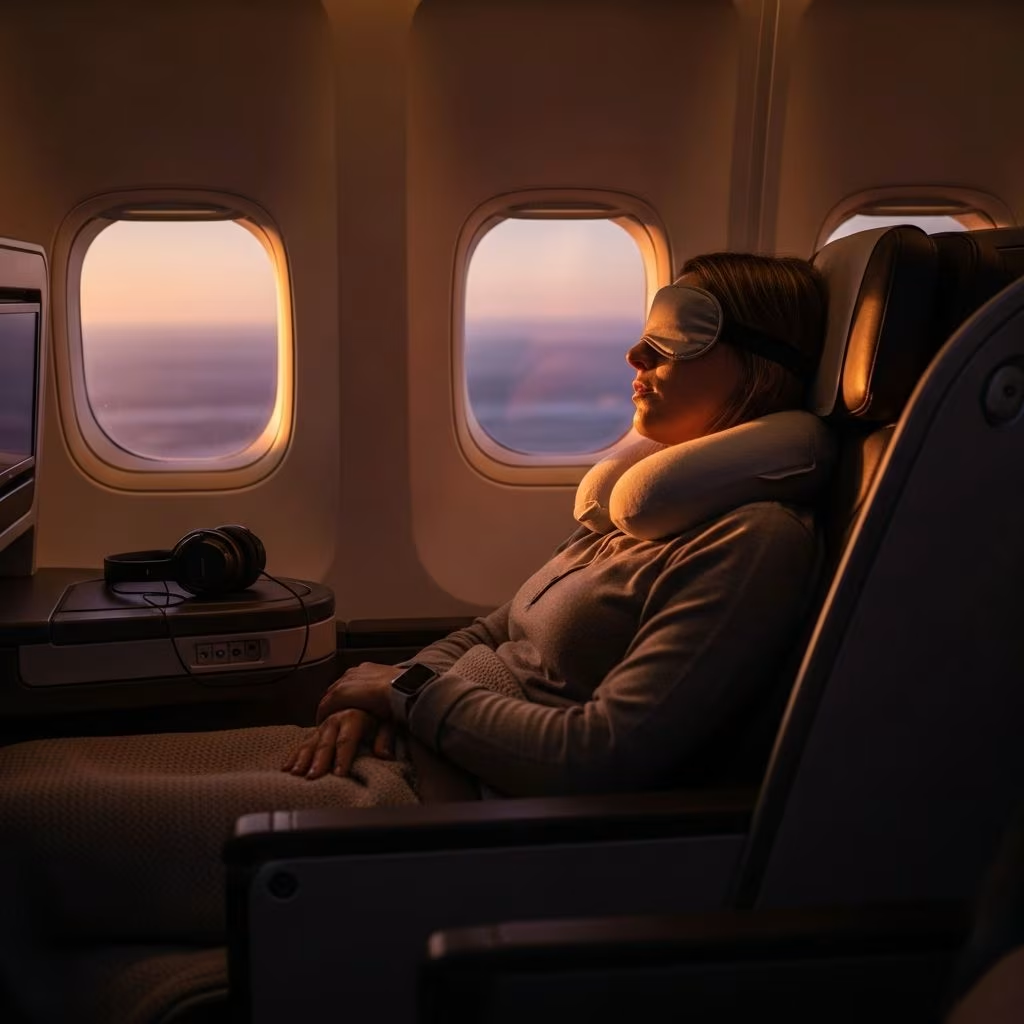
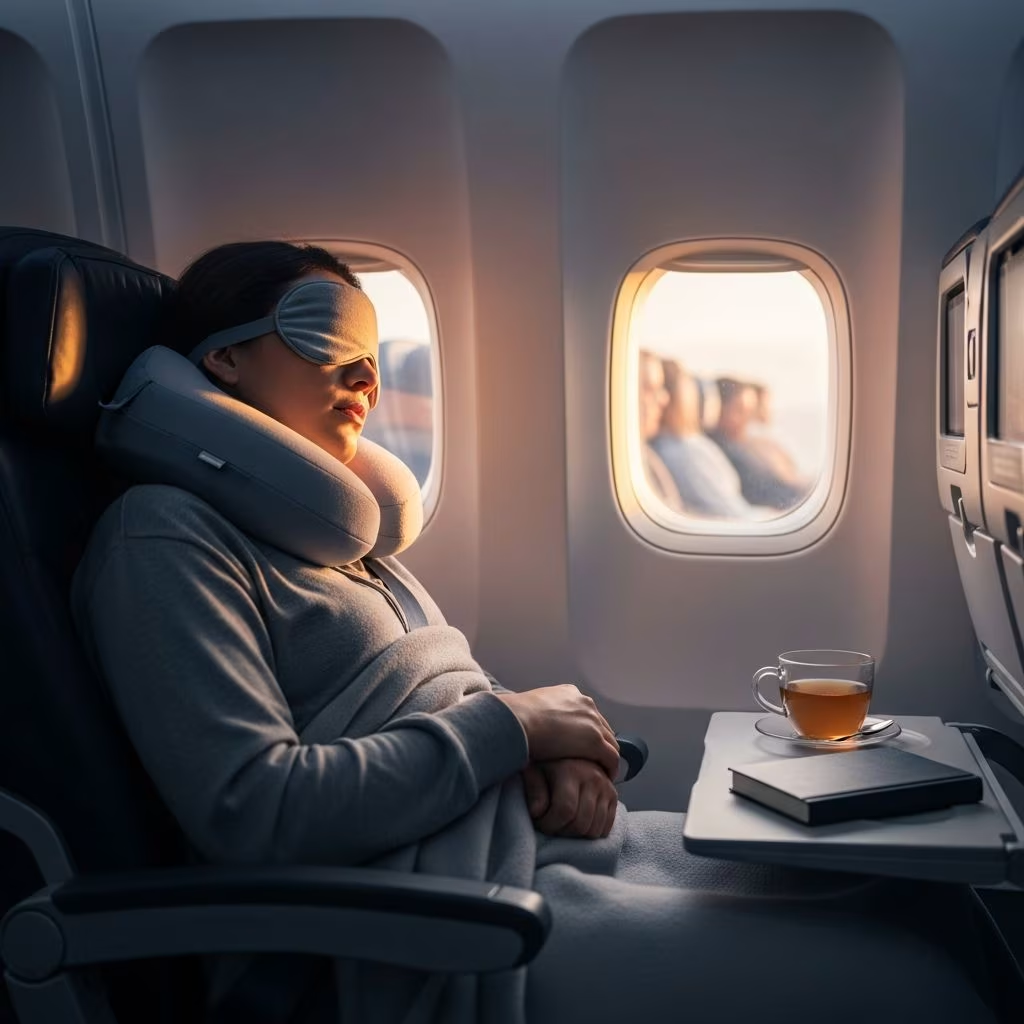
A compact sleep kit turns economy seats into viable rest zones. Core items include contoured eye masks that avoid pressure on eyelids, high-fidelity earplugs or noise-canceling headphones tuned to white noise or delta waves for masking announcements and cries.
Neck support is paramount; conventional U-shaped pillows often slip, but reversing them (front-facing) cradles the chin, preventing forward flops. Hybrid designs with head straps or eye mask integrations stabilize against bobbing, proven effective for multi-hour naps. Organic latex options breathe better than synthetic foams, reducing sweat buildup in recycled air.
- Eye mask: Concave interior for lash clearance.
- Noise blockers: Triple-reduction earbuds for low frequencies.
- Pillow hacks: Backward wear or shoulder tuck.
- Extras: Compression socks, hoodie for cocooning.
Layer breathable fabrics like merino wool or bamboo—loose pants, oversized tees—to regulate temperature swings. Pack wool socks and a pashmina scarf doubling as blanket and privacy screen.
Boarding Routine: Swift Transition to Sleep Mode
Upon settling, execute a rapid setup: Deploy window shade, don mask and ear protection, adjust pillow, and cover with scarf. Dim personal screens immediately post-takeoff, signaling sleep intent to neighbors. Practice 4-7-8 breathing (inhale 4 seconds, hold 7, exhale 8) or progressive muscle relaxation to downregulate from airport stress.
Request “do not disturb” implicitly by visible belt and closed eyes; politely inform crew of sleep preference during beverage service. Pre-download ambient sound apps for consistency across devices.
Overcoming Common Sleep Saboteurs
Cabin challenges like dry air (10-20% humidity), turbulence, and service carts demand countermeasures. Sip herbal teas via airline hot water to maintain hydration without excess volume. For light sleepers, melatonin supplements (0.5-3mg) timed to destination bedtime may sync rhythms, consulting physicians for interactions.
Melatonin, produced by the pineal gland, regulates sleep-wake cycles; short flights benefit less than transoceanic hauls. Avoid screens’ blue light, which suppresses it by up to 23% per Harvard studies.
Post-Flight Recovery: Maximizing Arrival Energy
Deplane into sunlight for eastward trips to reset clocks, or dim lights for westward. Nap strategically: 20-30 minutes max to avoid deep sleep inertia. Prioritize movement—walks, stretches—to counter sedentary stiffness and boost circulation.
Rehydrate with electrolytes, eat protein-rich meals, and expose to natural light cycles. Apps tracking light exposure and sleep debt aid ongoing adjustments.
Advanced Techniques for Frequent Flyers
Leverage business class pods if budget allows, but economy hacks suffice: inflatable footrests bridge leg gaps, lumbar rolls align spines. Acupressure bands curb nausea-induced wakefulness. Track sleep via wearables for personalized optimizations.
Frequently Asked Questions
What’s the best seat for sleeping on a plane?
Window seats in the front third, away from restrooms, offer the best balance of support, quiet, and light control.
Should I take sleeping pills for flights?
Use sparingly; natural aids like melatonin or relaxation outperform sedatives, which risk grogginess on landing.
How do I avoid neck pain from sleeping upright?
Reverse travel pillows for chin tuck and pair with wall leans via armrest stacking.
Can I really adjust to jet lag before flying?
Yes, incremental shifts over 3-7 days significantly reduce symptoms.
What if I can’t fall asleep mid-flight?
Employ breathing exercises, avoid clocks, and focus on rest over pressure for quality micro-naps.
References
- How to Actually Sleep on a Plane (Even in Economy) — Naturepedic. 2023. https://www.naturepedic.com/blog/how-to-sleep-on-a-plane
- An Overnight Flight Europe: Tips For Sleeping on a Plane — Beyond the Crowds. 2023. https://www.beyondthecrowds.com/post/how-to-sleep-on-a-plane
- How to Sleep on a Plane: 7 Expert Tips to Drift Off With Ease — Qantas Travel Insider. 2024-04-01. https://www.qantas.com/travelinsider/en/travel-tips/travel-hacks-how-to-sleep-on-the-plane.html
- 12 Things That Make Long Flights Way Less Miserable — YouTube (Travel Vlogger). 2023. https://www.youtube.com/watch?v=rThsPsHhHYk
On This Page
Strategic Seat Selection for Uninterrupted Rest Pre-Flight Preparation: Aligning Body Clock Essential Gear for a Sleep-Friendly Cabin Boarding Routine: Swift Transition to Sleep Mode Overcoming Common Sleep Saboteurs Post-Flight Recovery: Maximizing Arrival Energy Advanced Techniques for Frequent Flyers Frequently Asked Questions← Previous
How to Get TSA PreCheck for Free: 7 Legit Ways
Next →
Casablanca in 24 Hours: The Best One-Day Itinerary
Related Reading