

 Travel Essentials
 Travel Essentials

Discover effective techniques to improve sleep quality during flights, from strategic seat selection to packing essentials and preparation methods.
 Travel Essentials
Air travel presents unique challenges for those seeking quality sleep. Between engine noise, cramped seating, cabin pressure changes, and the constant movement of fellow passengers, achieving restorative sleep while airborne requires intentional planning and the right approach. Whether you’re embarking on a short domestic flight or an ultra-long international journey, understanding how to optimize your sleep environment can significantly improve your travel experience and help you arrive refreshed at your destination.
Your journey toward better in-flight sleep begins long before you board the aircraft. The seat you choose plays a foundational role in determining whether you’ll be able to rest effectively during your flight.
Selecting a window seat provides multiple sleep-friendly benefits that aisle and middle seats cannot match. A window seat offers a solid surface against which you can rest your head without depending on neighboring passengers for support. This positioning provides independence and eliminates concerns about disturbing others or being jostled by movement. Additionally, window seats grant you exclusive control over the window shade, allowing you to manage natural light exposure precisely according to your sleep preferences. You won’t experience unexpected bright sunlight flooding your resting area, which can disrupt your sleep cycle and prevent you from reaching deeper stages of rest.
Furthermore, window seat passengers experience fewer disturbances from aisle traffic. You won’t have seatmates climbing over you to access the restroom or the aisle, and you’ll avoid the constant flow of passengers walking past to stretch their legs or retrieve items from overhead compartments.
The aircraft’s front sections typically offer a quieter environment compared to rear cabins. Seats positioned forward experience significantly less engine noise and vibration, which translates directly into a smoother, more peaceful sleep environment. Additionally, forward cabin locations usually receive meal and beverage service earlier in the flight, allowing you to settle into sleep sooner without waiting for service interruptions. If you prefer aisle seats for accessibility reasons, positions toward the front provide better sleep opportunities than rear aisle seats.
Certain aircraft locations should be avoided when sleep is your priority. Seats immediately adjacent to lavatories experience constant disruptions from foot traffic, door slamming, automatic flushing sounds, and the bright lighting surrounding restroom areas. Passengers frequently congregate near these locations, creating additional noise and movement. Similarly, areas near galleys where cabin crew prepare beverages and meals involve ongoing activity and noise. When booking your flight, consult the detailed seat map provided by your airline and deliberately select seats positioned away from these high-traffic zones.
Once you’ve secured an optimal seat location, constructing a supportive sleep environment requires specific physical elements and strategic preparation.
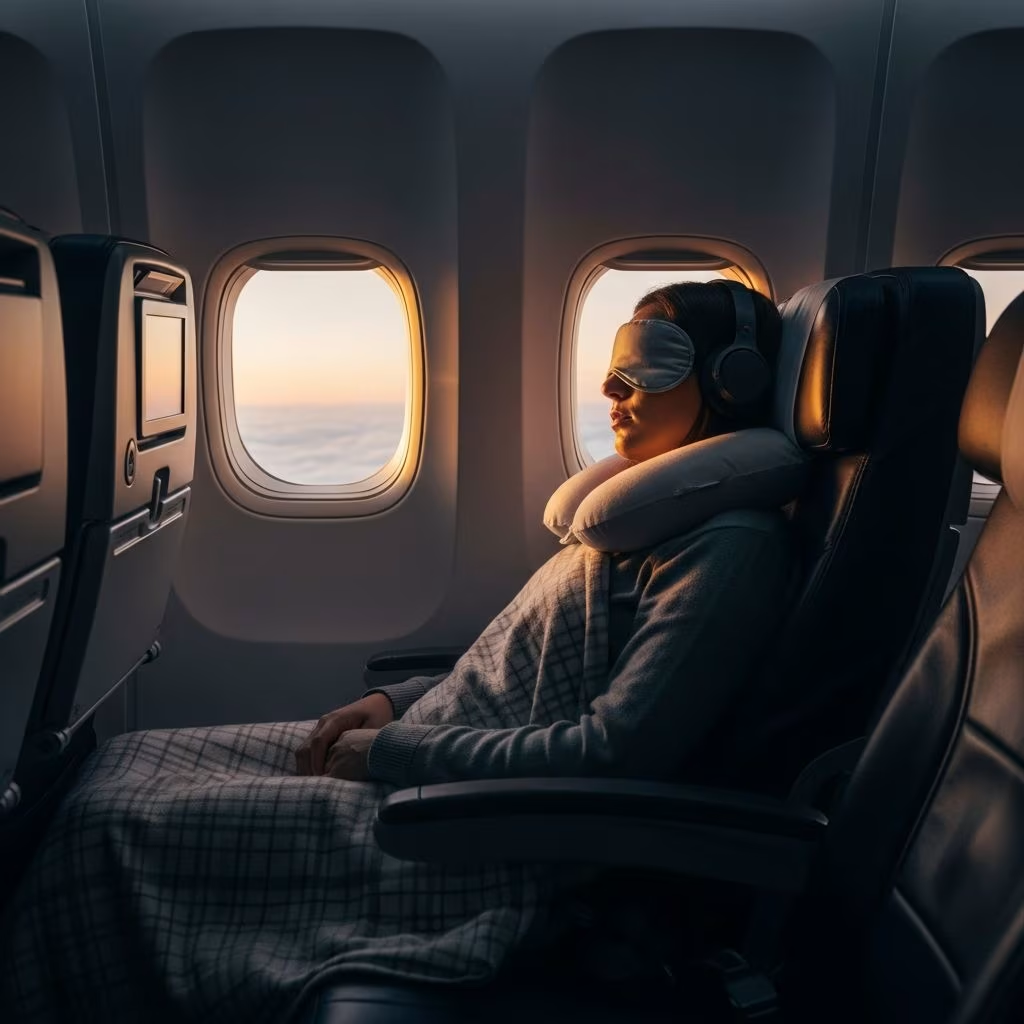
Creating an effective sleep cocoon begins with quality sleep accessories. An eye mask serves as your primary defense against cabin lighting and external light sources. Choose a mask with a concave interior design that prevents pressure against your eyes, allowing them to remain closed comfortably throughout your rest period. This design feature prevents the mask from restricting eye movement or causing discomfort during sleep.
Noise reduction represents your second critical priority. Earplugs or noise-canceling headphones effectively minimize the constant ambient noise of aircraft engines, flight crew announcements, and passenger conversations. Noise-canceling headphones offer the additional benefit of allowing you to play ambient sounds, white noise, or specifically designed brainwave music that promotes sleep onset and maintenance. If you prefer earplugs, select high-quality foam options that conform to your ear canal while remaining comfortable for extended wear.
A properly designed travel pillow specifically engineered for aviation use prevents neck strain and enables stable head positioning without the bobbing and shifting that occurs with standard pillows. Many modern travel pillows feature designs allowing backward positioning for enhanced chin support, or they can be tucked under your shoulder while leaning against the window. Some travelers prefer structured options resembling neck braces, which provide firm support and prevent lateral head movement.
Aircraft cabins maintain temperatures that can feel cool and uncomfortable for sleep. Wear soft, breathable layers that can be adjusted as needed throughout your flight. Natural fiber materials promote better temperature regulation compared to synthetic fabrics. Pack warm socks specifically designed for air travel comfort—keeping your feet warm significantly contributes to overall bodily comfort and sleep quality. A lightweight scarf or small blanket serves dual purposes: providing warmth and creating a psychological “bed-like” environment that signals your body to prepare for sleep. The tactile sensation of wrapping yourself in a personal blanket mimics home sleeping conditions, promoting faster sleep onset.
Your sleep success begins days before your flight departure. Strategic preparation dramatically improves your in-flight rest capabilities.
Begin adjusting your sleep schedule five to seven days before your flight. Gradually shift your bedtime and wake time to align with your flight’s timing. If you’re boarding an evening flight, incrementally move your bedtime earlier each night leading up to departure. This gradual adjustment allows your circadian rhythm to naturally shift, making you genuinely tired when boarding time arrives. You’ll experience authentic sleep drive rather than fighting your body’s natural wake tendency.
For flights crossing multiple time zones, this pre-flight adjustment becomes even more valuable. Your body will begin acclimating to the destination timezone before you even depart, reducing jet lag severity and helping you sleep more easily during the flight.
Aircraft cabin air recirculation causes significant dehydration that directly disrupts sleep quality. However, strategic hydration differs from constant in-flight drinking. Consume substantial water quantities before boarding—fill your hydration needs hours ahead of departure rather than continuously drinking during flight. This approach provides your body the hydration it requires while minimizing bathroom visits that interrupt sleep. Constant bathroom trips destroy sleep continuity and prevent reaching deeper, more restorative sleep stages.
Complete your dinner before boarding. Arriving on the aircraft with a satisfied digestive system allows you to sleep immediately without hunger interruptions. Avoid requesting meals and snacks during your intended sleep period—ask flight attendants to provide all food items before you rest, storing them in seat pockets for consumption later. This prevents staff from gently waking you during meal service.
Caffeine and alcohol both sabotage in-flight sleep, though their mechanisms differ. Caffeine’s stimulating properties obviously prevent sleep onset, remaining in your system for hours. Alcohol’s impact proves more subtle but equally problematic—while alcohol may induce initial drowsiness, it significantly reduces sleep quality, prevents reaching deeper sleep stages, and causes early morning waking. Additionally, alcohol contributes to dehydration, compounding the cabin’s already moisture-depleting environment. Eliminate both substances for at least twelve hours before your intended flight sleep period.
Beyond logistics and equipment, your physical and mental state influences sleep ability during flight.
Deep breathing exercises activate your parasympathetic nervous system, shifting your body from alert wakefulness into rest mode. Upon settling into your seat with your sleep kit assembled, practice slow diaphragmatic breathing—inhale for four counts, hold for four, exhale for six. This technique calms your nervous system and signals your body that rest is beginning. Many aircraft entertainment systems include guided relaxation videos and seated yoga sequences. These resources provide structured relaxation pathways that occupy your mind while gradually transitioning you toward sleep.
When flight time flexibility exists, deliberately choose overnight or late-evening departures. Booking flights departing when you would normally be sleeping aligns the flight schedule with your body’s natural sleep drive. You’ll experience genuine tiredness matching flight timing rather than fighting your body’s daytime alertness. For multi-leg journeys, prioritize sleeping during longer flight segments rather than attempting rest during shorter connections.
Organize your sleep accessories into an easily accessible kit that you assemble immediately upon sitting:
Sleep medications should only be considered under medical guidance and typically only for very long flights (10+ hours). Natural methods prove effective for most travelers. If medications are necessary, consult your physician well before travel to determine appropriate timing and dosage.
Invest in a travel pillow specifically designed with head stabilization. Wearing it backward provides chin support preventing forward head drops. Alternatively, structured neck brace-style pillows offer the firmest support preventing all directional movement.
Forward-positioned aisle seats experience less traffic than rear seats. Request positions near the front cabin, and use your sleep kit aggressively—noise-canceling headphones and eye masks become even more essential for aisle seat sleepers.
Even partial implementation helps. Minimum requirements include strategic seat selection, a basic sleep kit (eye mask, earplugs, travel pillow), and comfortable clothing. Pre-flight schedule adjustment maximizes results but isn’t mandatory for all travelers.
Achieving quality sleep during air travel requires intentional strategy combining seat selection, equipment investment, timing optimization, and physical comfort. By implementing these evidence-based approaches, you transform flights from exhausting endurance tests into opportunities for genuine rest. Your next journey can begin with genuine sleep, setting the foundation for arriving at your destination truly refreshed and ready to enjoy your travels.
