
 Stays
StaysStays
How to Spot Fake Hotel Booking Scams Before You Pay
Fake hotel booking sites trick travelers with unreal deals. Learn to spot scams, verify sites, and protect payments for worry-free vacations.
 Stays
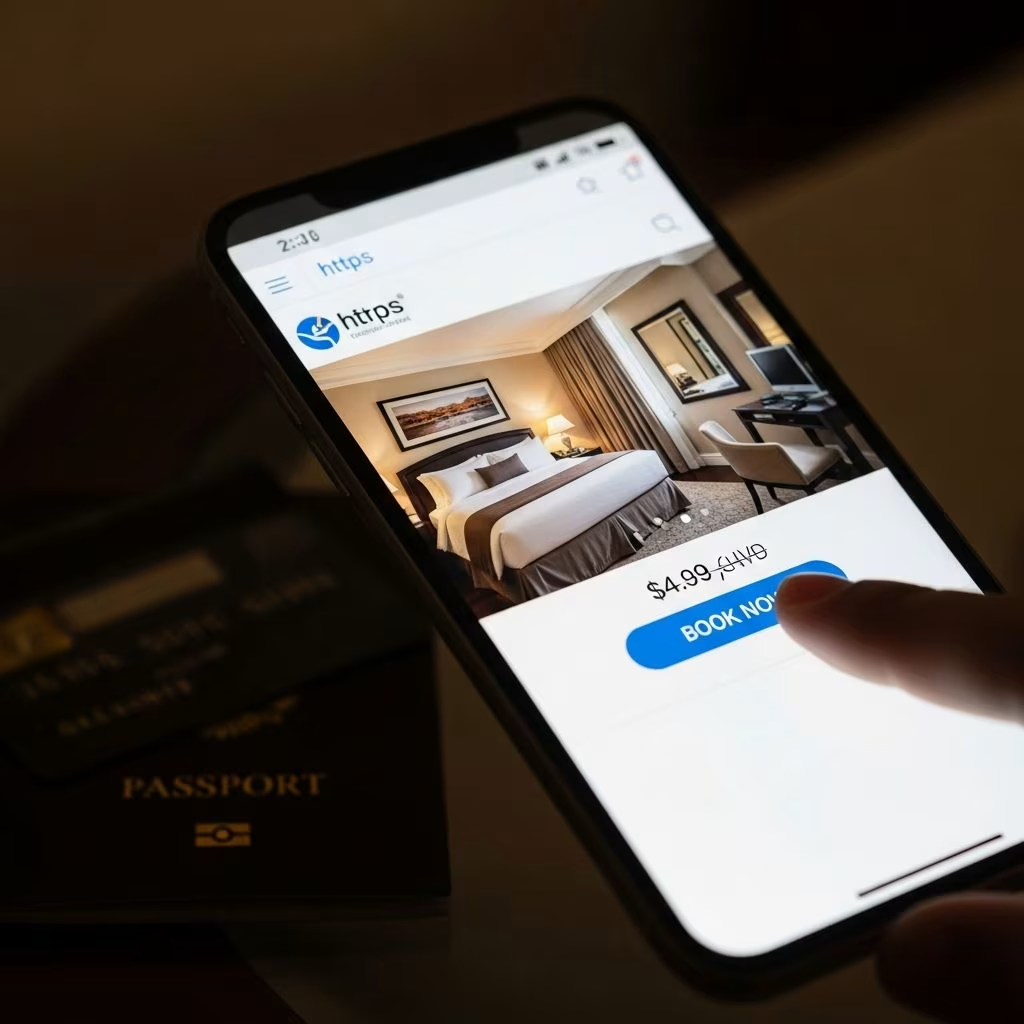
StaysTravelers planning their dream getaways often encounter irresistible hotel deals online, but many of these offers hide dangerous traps set by cybercriminals. Fake booking websites have surged in popularity among scammers, mimicking legitimate platforms to capture payment details and vanish with funds. These schemes prey on excitement for vacations, leading to financial losses and disrupted plans. Understanding the mechanics of these frauds empowers you to book confidently without falling victim.
The Rising Threat of Phony Reservation Sites
In recent years, reports of fraudulent hotel reservations have spiked, particularly during peak travel seasons. Scammers craft entire websites that replicate trusted brands like major hotel chains or popular aggregators, complete with professional designs and convincing details. Victims typically search for accommodations, click on a promising link, and input credit card information for what appears to be a steal of a deal. Upon arrival at the destination, however, the hotel staff finds no record of the booking, leaving travelers stranded and out of pocket.
These operations thrive because they exploit trust in familiar interfaces. A slight variation in the web address—such as an extra letter or a different domain extension—goes unnoticed in the rush to secure a room. Once payment is processed, the fraudulent site may send a realistic confirmation email, only for the page to disappear days later. This leaves no trail for refunds and complicates recovery efforts.
How Fraudsters Execute the Deception
The process begins with targeted advertising. Scammers bid on search engine keywords related to popular destinations, ensuring their fake sites appear at the top of results. Sponsored ads blend seamlessly with organic listings, directing users to counterfeit pages. These sites often advertise rates 50% or more below market value, creating urgency with phrases like “limited availability” or “flash sale.”
- Users land on a site that looks identical to official ones, featuring stock photos and polished layouts.
- Booking forms request full payment upfront via credit card or alternative methods like wire transfers.
- A forged confirmation arrives via email, sometimes with a fake reservation number.
- When victims contact the real hotel, no matching records exist, and the scam site has gone offline.
Advanced tactics include phishing emails mimicking booking confirmations or urgent payment requests for “overbooked” rooms. Phone scams may follow, where fraudsters pose as hotel staff demanding additional fees. This multi-layered approach maximizes success rates, with thousands of complaints logged annually by consumer protection agencies.
Red Flags That Signal a Potential Scam
Spotting warning signs early can prevent disaster. Pay close attention to these common indicators during your search:
| Red Flag | Description | Why It’s Suspicious |
|---|---|---|
| Unrealistic Pricing | Deals far below competitors | Hotels rarely discount rooms to the point of loss |
| URL Mismatches | Slightly altered domain names | Legit sites use exact branding |
| No HTTPS or Padlock | Missing security indicators | Exposes data to interception |
| Unusual Payments | Requests for wire, crypto, or gift cards | Irreversible and untraceable |
| Poor Reviews | Limited or fake feedback | Genuine sites have verified user input |
High-pressure tactics, such as countdown timers or claims of “only one room left,” aim to bypass rational thinking. Vague cancellation policies or refusals to provide direct hotel contact details further confirm illegitimacy.
Essential Strategies for Secure Hotel Reservations
Arm yourself with proven defenses to navigate online bookings safely. Start by prioritizing direct channels over third-party intermediaries.
- Verify the Source: Always begin at the hotel’s official website, found via a direct Google search for the property name plus “official site.” Cross-check contact details against known listings.
- Inspect Security Features: Ensure the address bar shows “https://” followed by a padlock icon. Hover over links to confirm they lead to expected destinations.
- Confirm by Phone: After booking, call the hotel using a number from their verified site—not the confirmation email—to validate your reservation.
- Leverage Credit Cards: Opt for credit over debit for superior dispute resolution and zero-liability protections.
- Research Thoroughly: Use independent review platforms like TripAdvisor or BBB to gauge the booking site’s reputation.
Employ browser extensions or tools like scam detectors to analyze suspicious links before clicking. Avoid public Wi-Fi for transactions, opting instead for mobile data or VPNs.
Real-Life Lessons from Scam Survivors
Consider the experience of a family planning a summer beach trip. They clicked a top search result promising luxury at budget prices, paid $800 upfront, and received a polished confirmation. Days before departure, the hotel denied any booking, and the site was defunct. After disputing the charge, they recovered funds only because they used a credit card. Similar stories flood scam trackers, highlighting patterns like sponsored ad traps and mimicry of giants like Booking.com.
Another victim encountered a follow-up call demanding a “security deposit” via prepaid card— a classic escalation. By hanging up and verifying independently, they avoided further loss. These accounts underscore the value of skepticism and verification.
Technological Tools to Bolster Your Defenses
Modern cybersecurity offers accessible aids against these threats. AI-driven link checkers scan URLs for malicious intent, flagging fakes before interaction. Antivirus suites with web protection block known scam domains in real-time. Virtual credit cards generate one-time numbers for single transactions, limiting exposure if compromised.
For proactive scanning, free tools analyze booking pages for anomalies like inconsistent branding or hidden redirects. Integrating these into your routine transforms vulnerability into vigilance.
Steps to Take If You’ve Fallen Victim
Act swiftly if you’ve booked on a suspicious site. First, contact your credit card issuer to dispute the charge—most offer provisional credits during investigations. Monitor statements for unauthorized activity and freeze your card if needed.
Report the incident to authorities: File with the FTC at ReportFraud.ftc.gov, your state attorney general via NAAG.org, and local police. Notify the intended hotel to prevent misuse of your details. Sharing your story on consumer forums warns others while aiding pattern recognition by watchdogs.
Preserve all evidence: Screenshots of the site, emails, confirmations, and transaction records strengthen claims. Recovery rates improve with prompt, documented action.
FAQs: Common Questions on Hotel Booking Fraud
Q: Can I get my money back from a fake booking site?
A: Yes, especially with credit cards. Dispute within 60 days for best results; banks investigate and often reverse charges.
Q: Are all cheap deals scams?
A: No, but extreme discounts warrant caution. Compare across official channels.
Q: How do scammers make sites look so real?
A: They copy templates, images, and layouts from legitimate pages, altering only payment flows.
Q: Should I use booking apps?
A: Stick to established ones with app store verification and user ratings.
Q: What about vacation rentals like Airbnb?
A: Similar risks exist; verify hosts and use platform payments only.
Building Long-Term Travel Security Habits
Beyond one-off trips, cultivate habits like enabling transaction alerts, using password managers for unique logins, and educating travel companions on risks. Subscribe to fraud alerts from banks and consumer agencies. By treating every deal with healthy doubt, you reclaim control over your adventures.
Travel should evoke joy, not regret. With awareness and tools at hand, fake hotel scams lose their power, letting you focus on creating memories.
References
- Hotel Booking Scam: How to Avoid Fake Reservations — Fidelity Bank. 2024. https://www.bankwithfidelity.com/resources/education/fraud-cybersecurity-awareness/detail.html?title=hotel-booking-scam-how-to-avoid-fake-reservations
- Summer 2025 Travel Scams: How to Avoid Fake Hotel Booking Websites — Bitdefender. 2025-06-01. https://www.bitdefender.com/en-us/blog/hotforsecurity/summer-2025-travel-scams-how-to-avoid-fake-hotel-booking-websites-and-protect-your-vacation
On This Page
The Rising Threat of Phony Reservation Sites How Fraudsters Execute the Deception Red Flags That Signal a Potential Scam Essential Strategies for Secure Hotel Reservations Real-Life Lessons from Scam Survivors Technological Tools to Bolster Your Defenses Steps to Take If You've Fallen Victim FAQs: Common Questions on Hotel Booking Fraud Building Long-Term Travel Security Habits← Previous
2026 Home Fragrance Trends: Hotel-Inspired Scenting for Luxury Living
Next →
W Hotels Embraces ‘Luxury, Liberated’ With Global Growth
Related Reading