 Stays
StaysStays
How to Stay Cool While Traveling in Europe During Summer Heat
Discover essential tips to stay cool while exploring Europe in peak heat: smart packing, daily planning, cooling activities, and more for an enjoyable trip.
 Stays
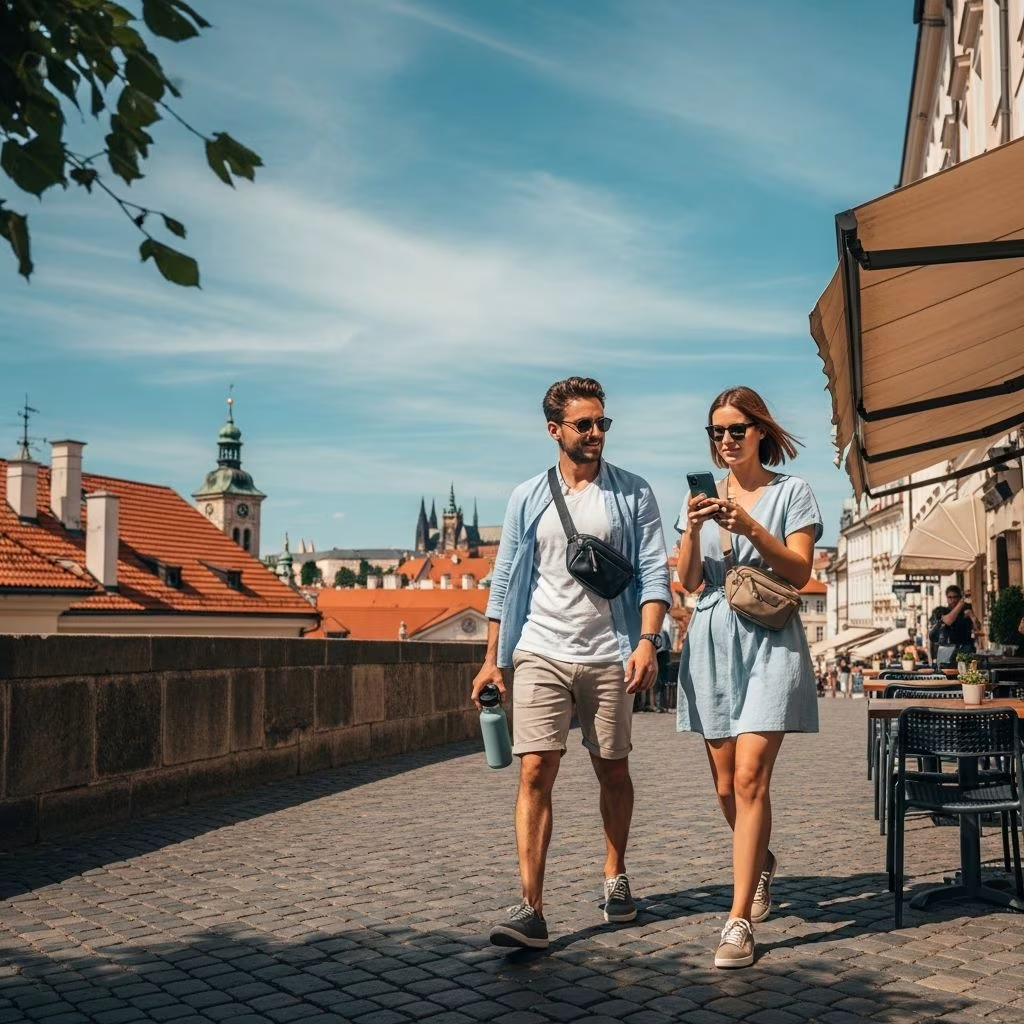
StaysEurope’s summer allure draws millions, but rising temperatures due to climate shifts demand preparation. Highs often exceed 35°C (95°F) in cities like Paris, Rome, and Barcelona, turning sightseeing into a sweaty challenge. This guide equips you with practical, tested methods to maintain comfort, energy, and enjoyment across the continent.
Master Your Packing List for Hot Climates
Clothing choices define your heat tolerance. Opt for breathable fabrics that wick moisture and reflect sunlight. Light colors like white, beige, and pastels outperform dark shades in repelling heat.
- Cotton and linen essentials: Loose shirts, pants, and dresses allow airflow while shielding skin from direct sun.
- Footwear priorities: Breathable sneakers or sandals with arch support for endless walking on cobblestones.
- Sun defense gear: Wide-brim hats, UV-protective sunglasses, and high-SPF sunscreen (reapply hourly).
- Portable cooling tools: Neck wraps that hold moisture, personal misting fans, and collapsible water bottles.
Avoid heavy synthetics or tight fits; they trap heat. If caught unprepared, local markets offer affordable linen upgrades.
Prioritize Accommodations with Climate Control
Not all European hotels cool rooms effectively. Northern cultures often skip air conditioning, viewing it as unnecessary or unhealthy. Verify AC availability rigorously.
| Region | AC Prevalence | Booking Tip |
|---|---|---|
| France, Germany | Low (20-40%) | Search listings for ‘climatisation’ or read recent reviews |
| Italy, Spain | Moderate (50-70%) | Filter by ‘air-conditioned rooms’; check photos |
| UK, Scandinavia | Very Low (<20%) | Prioritize modern chains or urban centers |
No AC? Request fans, keep daytime shades drawn, and ventilate at night. Higher floors catch breezes better.
Hydration and Nutrition: Your Daily Defense
Dehydration strikes fast above 35°C, impairing judgment and stamina. Water is non-negotiable; aim for 3-4 liters daily, more with alcohol or caffeine.
- Refill at public fountains (safe in most cities like Rome’s nasoni).
- Add electrolytes via tablets or local sports drinks.
- Eat water-rich foods: watermelon, cucumbers, gazpacho.
Skip heavy meals midday; lightweight salads and fruits sustain without bloating. Evening feasts align with cooler hours.
Optimize Your Itinerary Around Peak Heat
Locals mastered heat centuries ago via siesta culture. Mirror this: front-load activities.
- Morning exploration (6-11 AM): Hit landmarks when shadows lengthen and crowds thin.
- Midday retreat (12-4 PM): Museums, cafes, or naps. Pre-book skip-the-line tickets for instant AC relief.
- Evening revival (5 PM onward): Outdoor dinners, sunset walks, nightlife thrive in dropping temps.
Adapt per destination: Athens closes sites midday; Provence markets hush post-lunch.
Water-Based Escapes and Cooling Hacks
Proximity to water moderates heat naturally. Choose coastal spots like Cinque Terre or Amalfi over inland plains.
- Swim strategically: Public beaches, hotel pools, or Adriatic dips refresh instantly.
- Frozen delights: Gelato in Italy, sorbets in Spain, grattachecca in Rome—more than treats, they’re survival tools.
- Urban oases: Fountains (Trevi, Lisbon), misting stations, or park sprinklers in heat alerts.
DIY cools: Damp scarves on necks, cold showers pre-outing, or gel packs under hats.
Health Monitoring and Emergency Prep
Heat exhaustion mimics fatigue: dizziness, nausea, rapid pulse. Vulnerable groups—elderly, kids, heart patients—require extra vigilance.
- Track weather apps for heat warnings (EU-wide alerts via MeteoAlarm).
- Know symptoms; rest in shade, hydrate, cool gradually.
- Travel insurance covering heat-related issues; pharmacies stock rehydration salts.
Southern Europe (Barcelona, southern France) peaks in July; monitor forecasts weekly.
Destination-Specific Survival Strategies
Mediterranean Coasts
Barcelona, Sicily: Breeze-aided but intense sun. Beach mornings, tapas siestas.
Central Capitals
Paris, Vienna: Urban heat islands amplify. Metro AC, Seine cruises.
Northern Edges
Amsterdam, Berlin: Milder but humid. Canal boats, beer gardens post-5 PM.
Sustainable Cooling in a Warming World
Europe’s heat waves signal climate urgency. Offset impact: Use public transit, eco-hotels, reef-safe sunscreen. Support cities’ green initiatives like Milan’s urban forests.
Frequently Asked Questions
Is Europe too hot for summer travel?
Not if prepared. Strategies here make it manageable; avoid midday exertion.
What if my hotel lacks AC?
Fans, wet towels, open windows at night. Upgrade if possible.
Best portable fan for travel?
Long-battery models with mist function excel in tests.
Can I drink tap water everywhere?
Yes in Western Europe; bottle it in Greece/Turkey.
How to avoid heat stroke?
Hydrate proactively, cover up, siesta. Seek medical help for severe symptoms.
References
- 10 Tips for Surviving a Summer Trip to Europe — Dangerous Business. 2023-06-15. https://www.dangerous-business.com/europe-summer-travel-tips/
- Best Ways to Beat the Heat on Your European Trip — VisitorsCoverage. 2024-02-12. https://www.visitorscoverage.com/blog/best-ways-to-beat-the-heat-on-your-european-trip/
- How to Stay Cool in Europe during a Heat Wave — The International Kitchen. 2023-07-20. https://www.theinternationalkitchen.com/blog/how-to-stay-cool-in-europe-during-a-heat-wave/
- How to Beat the Summer Heat in Europe — Context Travel. 2024-05-10. https://www.contexttravel.com/stories/articles/how-to-beat-the-summer-heat-in-europe
- Europe Heat-Health Action Plans — World Health Organization (WHO). 2024-01-01. https://www.who.int/europe/news/item/01-01-2024-heat-action-plans-in-europe
- Climate Change Indicators: Heat Waves in Europe — European Environment Agency (EEA). 2025-03-15. https://www.eea.europa.eu/ims/climate-change-indicators/heat-waves
On This Page
Master Your Packing List for Hot Climates Prioritize Accommodations with Climate Control Hydration and Nutrition: Your Daily Defense Optimize Your Itinerary Around Peak Heat Water-Based Escapes and Cooling Hacks Health Monitoring and Emergency Prep Destination-Specific Survival Strategies Sustainable Cooling in a Warming World Frequently Asked Questions← Previous
Istria, Croatia: Best Coastal Towns, Hill Villages & Food
Next →
Amtrak Mardi Gras Service: New Orleans to Mobile Gulf Coast Train
Related Reading