

 Travel Essentials
 Travel Essentials

Discover practical ways to explore Canada without overspending, from cheap stays and eats to free attractions and savvy transit options in cities and wilderness alike.
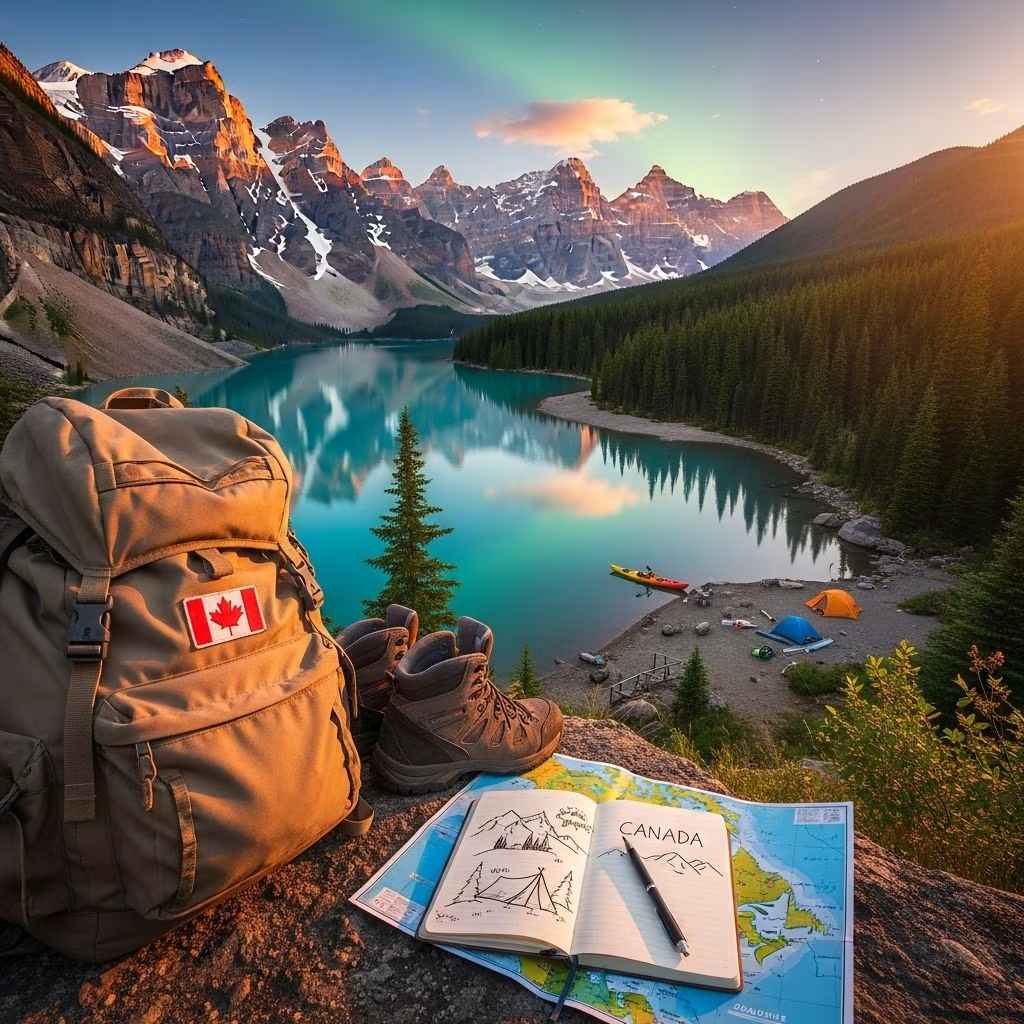 Travel Essentials
Canada’s immense size and stunning natural beauty often lead travelers to believe it’s an expensive destination reserved for deep pockets. However, with thoughtful planning, you can experience its cities, parks, and coastlines without breaking the bank. This guide reveals actionable strategies to stretch your dollars further, covering everything from where to stay and eat to how to get around and enjoy attractions for free or low cost.
Understanding average costs sets realistic expectations. In major cities, expect a basic hotel room for two to start at C$140 per night, while Airbnb options range from C$120–300. A medium coffee from Tim Hortons costs about C$2, a bowl of poutine C$5–7, and dinner for two at a budget eatery around C$50 plus taxes and tip. Car rentals begin at C$80 daily. These figures fluctuate by season and location, but focusing on off-peak times and local alternatives keeps expenses down.
| Expense Category | Low-Cost Option | Average Cost (CAD) |
|---|---|---|
| Accommodation (per night) | Campground or hostel | 20-60 |
| Food (per day) | Street food & groceries | 30-50 |
| Transport (daily) | Public transit pass | 10-20 |
| Activities | Free hikes & parks | 0-20 |
This table highlights achievable daily spends for budget-conscious explorers, allowing longer stays and more discoveries.
Timing your trip is crucial for savings. Offseason travel—shoulder seasons like spring (April-May) or fall (September-October)—slashes accommodation prices by up to 50% and reduces crowds at popular sites. Winter offers deals on ski areas outside peak holidays, while summer camping booms in parks.
Instead of sprawling cross-country itineraries, concentrate on one region. Dive into the Maritimes for coastal charm, the Prairies for vast skies, or the Rockies for mountains—all without domestic flights. Smaller airports like Halifax Stanfield or Calgary often have cheaper fares than Toronto Pearson or Vancouver International.
Ditch pricey hotels for hostels, where dorm beds run C$25-40 nightly, or private rooms under C$100. Platforms like Hostelworld yield deals in Toronto, Vancouver, and Montreal. Camping shines brightest: national parks charge C$15-30 per site, with tent spots in provincial parks even cheaper. RV or campervan rentals average C$50-150 daily, covering lodging and transport—ideal for Rockies loops where fuel adds C$10-30 and parks C$15-25 nightly.
Work exchanges via sites like Workaway offer free stays for a few hours of help at farms or lodges. In cities, couchsurfing connects you with locals for no-cost hospitality, fostering authentic encounters.
Canada’s food scene thrives on affordability. Street vendors hawk hot dogs, sausages, and veggie options for C$3-5, perfect quick lunches in any city. Tim Hortons delivers coffee and breakfast sandwiches cheaply; poutine satisfies cravings affordably everywhere.
Markets like Granville Island in Vancouver or Jean-Talon in Montreal brim with fresh produce—picnic supplies for under C$20 daily. Grocery chains such as No Frills or FreshCo keep self-catering costs at C$30-50 per person. Food trucks and ethnic eateries in neighborhoods like Toronto’s Kensington Market offer global flavors for C$10-15 plates.
Skip short domestic flights; buses like Megabus or Greyhound provide inter-city links for fractions of airfares, especially Ontario-Quebec routes. VIA Rail’s scenic trains beat flying costs with promotions—cross-country routes immerse you in landscapes affordably.
In cities, public transit reigns: multi-day passes (C$10-20) cover buses, subways, and streetcars. Vancouver’s TransLink, Toronto’s TTC, and Montreal’s STM offer day passes. Bikes-for-rent via apps like Bike Share Toronto cost pennies per ride. Rideshares like Poparide fill empty car seats between cities cheaply.
For wilderness, rent compact cars (C$45+ daily via National or Budget) or campervans. Fuel efficiency matters on long hauls; stick to highways for speed.
Canada’s outdoors are gratis gateways to wonder. Hike national parks (entry C$10-20 daily, or annual passes), cycle waterfront paths, or picnic in urban green spaces—all zero cost. Cities boast free walking tours (tip-based, 2 hours) revealing histories of Old Quebec or Gastown.
Museums like Royal Ontario or Vancouver Art Gallery host free days; check websites. Festivals abound gratis: Toronto’s Caribana (August), Quebec Winter Carnival. Calgary’s parks invite rollerblading, kayaking cheaply; rent bikes to explore paths.
Nova Scotia’s Cabot Trail drives affordably via campsites; ferries to PEI cost little. St. John’s Newfoundland offers free cliff walks.
Winnipeg’s Forks market free events; Saskatoon’s river paths. Ottawa’s canal skates winter gratis.
Yoho and Kootenays rival Banff cheaper; Vancouver island ferries with buses. Whistler’s off-season hostels slash ski costs.
Shoulder seasons (April-May, Sept-Oct) offer lowest prices and fewer crowds.
Yes—campervans, campsites, and grocery cooking keep Rockies trips under C$100 daily.
Generally yes; read reviews on Hostelworld for secure, social spots.
C$500-800 covers hostel, transit, food, and free sights comfortably.
Hiking in provincial/national parks—endless trails, no fees beyond entry.
