


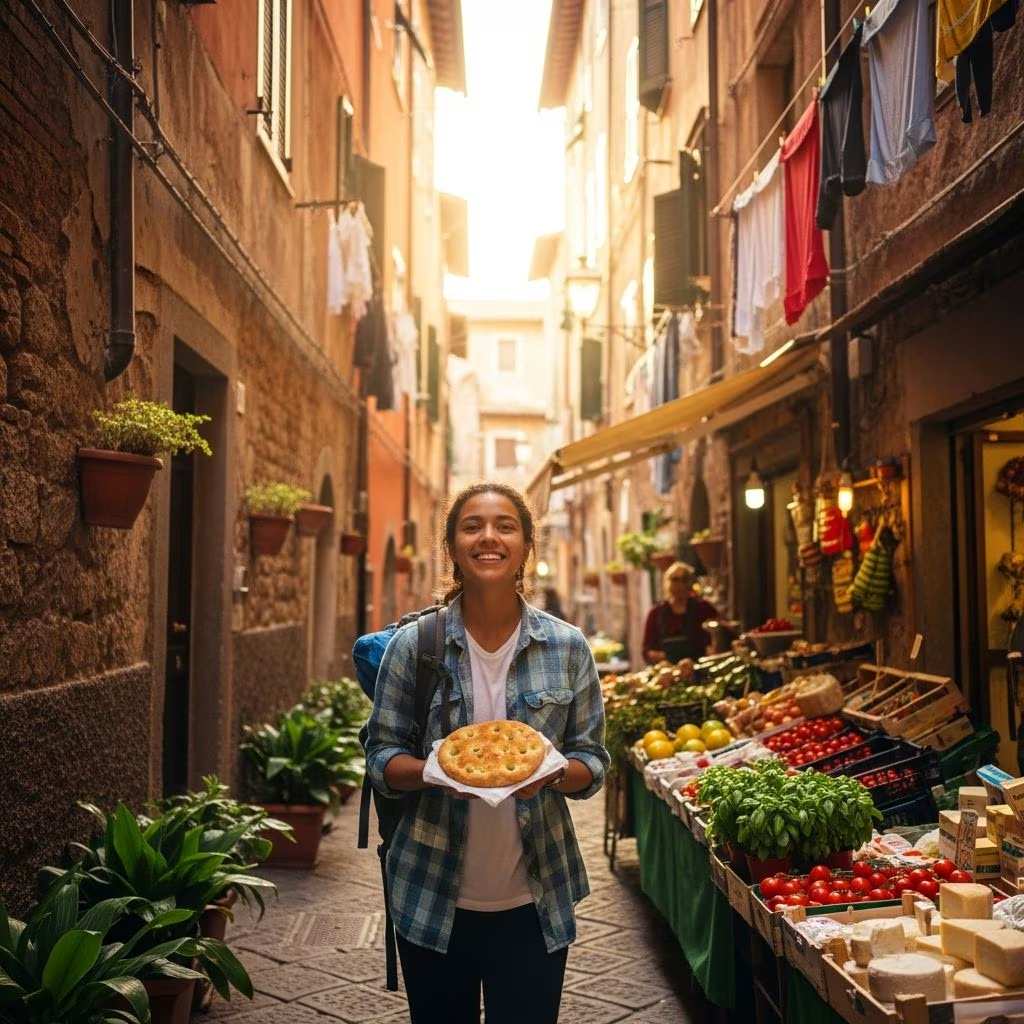
Italy captures the imagination of travelers worldwide, yet many assume a visit to this Mediterranean gem requires substantial financial resources. The reality offers a different narrative. By making deliberate choices about timing, location, and activities, travelers can experience Italy’s remarkable history, culture, and cuisine while maintaining reasonable spending levels. The key involves moving beyond famous tourist corridors and embracing what local communities actually offer throughout the country.
The Strategic Advantage of Traveling Beyond Peak Season
Seasonal timing fundamentally impacts both costs and experience quality in Italy. During summer months and major holidays, prices escalate across accommodations, transportation, and attractions. Flight prices can reach $1,500 or more for round-trip tickets during peak periods. However, traveling during shoulder seasons—typically April through May and September through October—or winter months offers significant financial relief alongside other advantages.
Off-season travel provides empty villages where you can wander without navigating crowds, reduced accommodation rates, and discounted flight options. Booking flights during November can yield round-trip tickets for approximately $550, representing a 63% savings compared to peak season rates. Beyond financial benefits, traveling when tourism slows allows genuine interaction with local residents and reveals how communities actually function rather than presenting curated tourist versions.
Rethinking Accommodation Choices for Maximum Savings
Traditional hotels represent only one accommodation category. Several alternatives provide comfortable lodging while preserving budget integrity:
- Hostels: Beyond basic dormitory options, many hostels offer private rooms at rates substantially lower than hotels
- Religious guesthouses: Monasteries and convents throughout Italy welcome travelers, providing modest but authentic accommodations
- University residences: During summer months, universities rent student housing to travelers at economical rates
- Family-run guesthouses: Small proprietor-operated establishments provide personalized experiences without corporate markup
For pilgrimage routes like the Via Francigena, monasteries and hostels cater specifically to hikers, offering accommodations for just a few euros per night. This combination of low cost and cultural immersion represents extraordinary value when compared to standard tourism infrastructure.
Geographic Strategy: Choosing Destinations Beyond Famous Names
While Milan, Florence, and Venice appear on most Italian itineraries, these internationally recognized destinations command premium prices for everything from meals to hotel rooms. Less-visited cities offer comparable or superior experiences at dramatically lower costs. Consider these alternatives:
| Popular Destination | Budget Alternative | Characteristics |
|---|---|---|
| Venice | Rimini/San Marino area | Rich history, authentic atmosphere, lower prices |
| Florence | Bologna or Vicenza | Art, culture, regional cuisine, fewer tourists |
| Milan | Turin | Sophisticated culture, museums, vibrant neighborhoods |
| Rome | Lecce or Perugia | Historical significance, local character, better value |
Southern Italy presents particularly compelling economics. Regions including Puglia, Basilicata, and parts of Sicily offer food and accommodations costing substantially less than northern destinations. These areas simultaneously deliver more authentic local experiences, abundant sunshine, and culinary traditions less commercialized than famous tourist zones.
Transportation Without Excessive Cost
Moving between Italian cities efficiently requires understanding transportation options. Booking trains in advance yields significant savings—purchasing Frecciarossa train tickets two weeks ahead can cost €35–€55, while buying the day before costs €86. Strategic advance booking across all transportation modes prevents last-minute premium pricing.
Within cities, walking represents the primary transportation method for budget travelers. Most Italian city centers remain pedestrian-friendly, making extensive exploration possible without public transportation costs. For longer distances between cities, regional trains offer cheaper alternatives to high-speed services, though requiring more travel time.
Experiencing Culture Without Premium Attraction Fees
Italy’s cultural richness extends far beyond paid museum and archaeological sites. Numerous authentic experiences cost nothing or minimal amounts:
- Walking through historic neighborhoods and piazzas
- Visiting churches and basilicas (typically free entry)
- Exploring public gardens and parks
- Attending sunset from scenic viewpoints
- Swimming at beaches and coastal areas
- Browsing farmers markets and local food vendors
- Participating in free walking tours available in most cities
These activities provide genuine cultural immersion while requiring minimal expenditure. A beach day costs nothing. Reading in a café while nursing a €2 coffee provides the Italian social experience without expensive attractions.
The Pilgrimage Route Alternative: Walking and Cycling Through History
For travelers seeking memorable yet economical experiences, following historic pilgrimage routes offers unparalleled value. The Via Francigena stretches from Canterbury, England, through France to Southern Italy via Rome, following medieval pilgrimage traditions. Similar to the famous Camino de Santiago, this route offers monastery accommodations and pilgrim hostels at remarkably low nightly rates.
Hiking these routes requires minimal equipment and provides continuous engagement with Italian landscapes, culture, and communities. For those preferring wheeled transportation, the same routes can be traveled by bicycle, equally economical and allowing similar cultural immersion. Multi-day trekking or cycling eliminates daily accommodation changes, simplifying logistics while deepening connection with the territory.
Culinary Experiences: Eating Well Without Premium Pricing
Italian cuisine need not be expensive. Avoiding restaurants in immediate tourist zones and eating where locals dine dramatically reduces costs while improving food quality. Small neighborhood trattorie, pizzerias, and family restaurants serving authentic regional dishes cost a fraction of restaurants targeting international visitors.
Purchasing ingredients from markets, bakeries, and small shops allows preparing picnic meals costing just a few euros. This approach provides authentic Italian products while enabling flexible meal scheduling without restaurant reservation constraints. Markets themselves offer cultural experiences—observing how communities shop and interact reveals authentic daily life often missed by tourists.
Packing Strategy: The Carry-On Advantage
Minimizing baggage to carry-on only eliminates checked luggage fees typically ranging from $25–$50 per trip. This requires intentional packing but rewards travelers with time savings at airports and greater flexibility. Arriving with limited luggage encourages purchasing items locally—experiencing shopping in Italian markets and neighborhoods—rather than bringing everything from home.
Multi-Day Itinerary Framework
A budget-conscious Italian itinerary balances several cities while minimizing transportation costs. Spending 2–3 consecutive nights in each location reduces nightly accommodation setup hassles and allows deeper local exploration. A typical structure might include:
- Southern starting point (2 nights): Naples or a Puglia base
- Central region (3 nights): Perugia, Lucca, or Lecce
- Northern alternative (2 nights): Bologna or Vicenza rather than Milan
- Adriatic coast option (2 nights): Rimini for beach access and San Marino day trips
This structure allows meaningful exploration while minimizing transportation frequency and associated costs.
Frequently Asked Questions About Budget Italian Travel
- Can I visit Italy for under $1,000 total?
- Yes, with careful planning. Budget accommodation ($20–$30 nightly), regional transportation, free attractions, and modest food spending ($15–$20 daily) makes sub-$1,000 trips feasible for 7–10 days, particularly during off-season.
- Which regions offer the best value?
- Southern Italy, particularly Puglia and Basilicata, provides lower accommodation and food costs alongside authentic experiences. Mid-sized northern cities like Bologna and Vicenza offer good value compared to major tourist centers.
- Should I purchase a rail pass?
- For budget travelers taking few trains, individual advance-purchase tickets typically cost less than passes. Calculate specific routes before committing to multi-journey passes.
- What free activities exist in Italian cities?
- Walking tours, church visits, park exploration, neighborhood strolls, and sunset viewings cost nothing. Markets, beaches, and public spaces provide cultural engagement without paid admission.
- How far in advance should I book?
- Book flights 2–3 months in advance for best rates. Reserve trains 2+ weeks ahead, particularly for high-speed services. Accommodation 4–6 weeks ahead secures better options, though last-minute discounts occasionally emerge during off-season.
Practical Implementation Strategy
Successfully traveling Italy affordably requires upfront planning combined with flexible execution. Begin by selecting specific travel dates during off-peak seasons, then research accommodation and transportation costs. Identify 4–5 cities emphasizing lesser-known options, calculate realistic daily budgets based on actual prices in chosen destinations, and book major components—flights, trains, accommodations—sequentially as prices confirm. Build daily schedules emphasizing free and low-cost activities, use public walking tours to understand city layouts, and allow unscheduled time for neighborhood exploration.
The distinction between budget travel and rushed travel is often preparation. Travelers who research neighborhoods, identify local restaurants, understand transportation systems, and plan strategically experience richer visits while spending less than those booking premium accommodations and guided tours. Italy rewards thoughtful travelers who embrace local rhythms rather than chasing famous monuments.
References
- How to explore Italy on a budget — Lonely Planet. Retrieved from https://www.lonelyplanet.com/articles/italy-on-a-budget
- How To Travel to Italy on A Budget — Shalee Wanders. Retrieved from https://shaleewanders.com/italy-on-a-budget/
- 14 Days In Italy: Perfect Itinerary For First Timers — Where Are Those Morgans. Retrieved from https://wherearethosemorgans.com/italy-travel-itinerary/
- The ULTIMATE One Month in Italy Itinerary — Snap Happy Travel. Retrieved from https://snaphappytravel.com/one-month-in-italy-itinerary/

