

 Travel Essentials
 Travel Essentials

Discover how locals navigate New Zealand's North and South Islands: from off-grid spots and Māori traditions to affordable transport, food scenes, and epic hikes for genuine experiences.
 Travel Essentials
Experiencing New Zealand authentically means stepping beyond tourist hotspots to embrace the rhythms of everyday life on its two main islands. With vast landscapes spanning over 100,000 square miles and a population under 5.5 million, the country offers endless opportunities for genuine connections amid rainforests, fjords, and volcanic terrains.
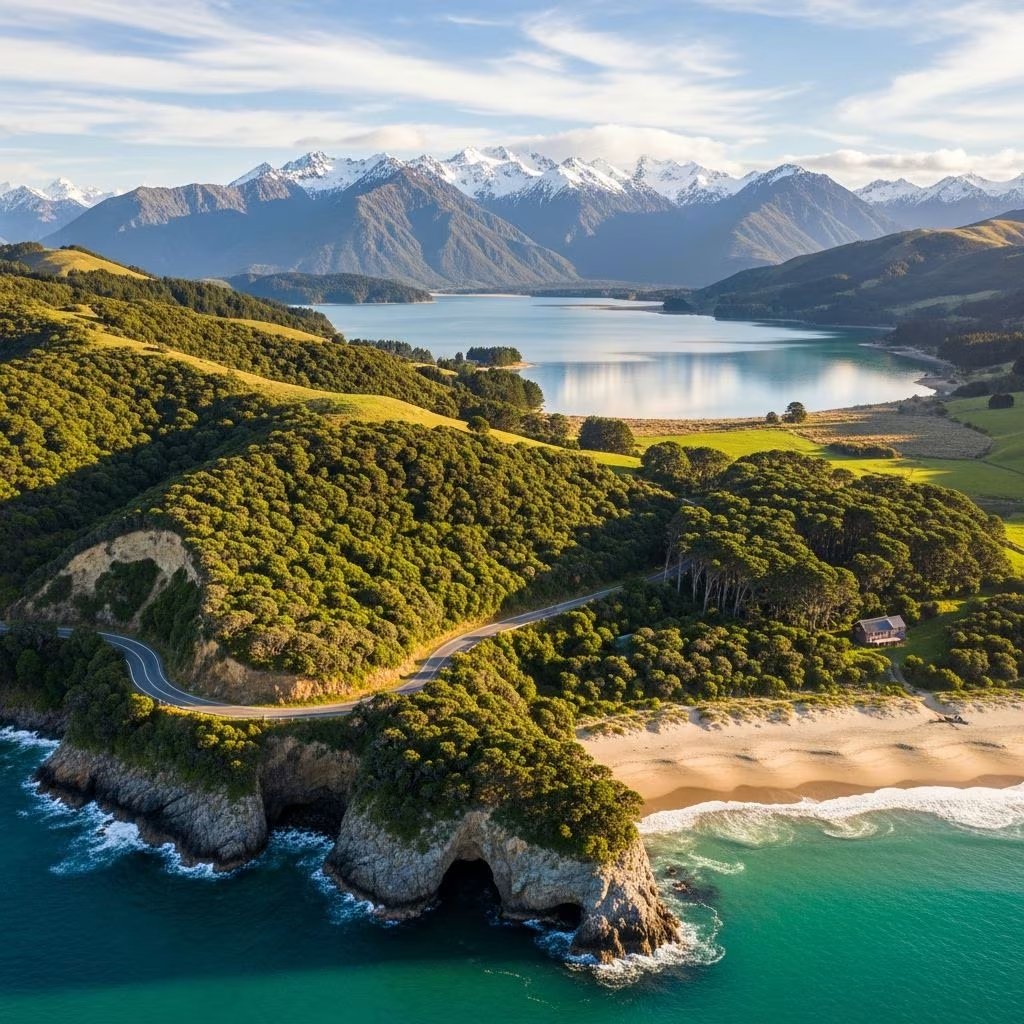
New Zealand’s **North Island (Te Ika-a-Māui)** and **South Island (Te Waipounamu)** form a diverse archipelago of more than 600 islands, roughly the size of Arizona. While cities like Auckland and Wellington house most residents, locals favor quieter regions for their pristine beauty and solitude. Areas such as the Coromandel Peninsula boast lush rainforests and dramatic beaches without the crowds of popular sites, allowing travelers to hike secluded trails or relax on empty shores.
Fiordland National Park on the South Island exemplifies this preference, with its towering fjords and untouched wilderness drawing locals for multi-day treks rather than short tourist jaunts. Small towns like Akaroa, with its French heritage and harbor views, or Russell in the Bay of Islands, provide charming streets lined with historic buildings and welcoming communities. These spots reveal the unhurried pace of Kiwi life, far from the bustle of Queenstown or Rotorua.
At the heart of New Zealand’s culture lies the **Māori people**, whose 700-year history shapes modern Aotearoa. Locals prioritize engaging with customs like the haka (traditional war dance) or powhiri (formal welcome ceremonies) at marae (community meeting grounds). Visiting cultural centers or attending festivals allows visitors to learn protocols, such as removing shoes before entering sacred spaces and accepting a hongi (pressing noses in greeting).
Participating in these practices fosters respect and deeper understanding. For instance, guided tours in Rotorua highlight geothermal sites tied to Māori legends, blending education with natural wonders. Locals advise timing visits to coincide with Matariki (Māori New Year) celebrations for authentic community events featuring feasting, storytelling, and fireworks.
Locals navigate New Zealand’s expansive terrain affordably and flexibly. **Campervan rentals** top the list, enabling self-paced road trips with built-in accommodation. Pull over at scenic viewpoints, wild camp at Department of Conservation (DOC) sites, or park at holiday parks—saving on hotels while chasing hidden gems. Companies offer models from basic vans to luxury motorhomes, with apps like CamperMate pinpointing free spots and amenities.
**Hitchhiking** remains a cultural staple, fueled by friendly Kiwis and fellow travelers. It’s budget-free transport reaching remote areas buses skip, like coastal tracks or inland passes. Safety thrives due to low crime and communal road-tripping; join Facebook groups or hostel boards to coordinate rides. For reliability, **intercity buses** like Naked Bus or hop-on-hop-off services such as Stray or Kiwi Experience provide structured routes with social vibes, ideal for solo explorers.
| Method | Pros | Cons | Best For |
|---|---|---|---|
| Campervan | Flexible, includes lodging, scenic freedom | Higher upfront cost, fuel expenses | Couples, families, 1+ weeks |
| Hitchhiking | Free, local interactions, off-grid access | Unpredictable timing, weather exposure | Budget backpackers, adventurers |
| Bus Passes | Reliable schedules, social groups | Fixed routes, moderate cost | Short trips, first-timers |
New Zealand’s culinary landscape shines through hyper-local ingredients. **Farmers’ markets** burst with seasonal produce, artisanal cheeses, and fresh seafood. Auckland’s La Cigale French Market offers pastries and cheeses every weekend, while Wellington’s Night Market pulses with street food from global influences fused with Kiwi flair. Sample pavlova, lamb, or green-lipped mussels straight from vendors.
The **craft beer revolution** features breweries like Garage Project and Tuatara, using native hops for unique IPAs and stouts. Brewery tours in Wellington or Nelson pair tastings with behind-the-scenes insights, embodying the innovative spirit. Pair with winery visits in Marlborough for sauvignon blanc tastings amid vineyard views.
Beyond icons, locals cherish **Marlborough Sounds**—sea-drowned valleys with calm waters and bush-clad ridges. Hike the Queen Charlotte Track, linking lodges accessible only by water taxi, for kayaking and birdwatching. On the North Island, Waitomo Caves’ glowworms and Hobbiton tours fit short loops from Auckland.
Queenstown serves as a South Island hub for day trips: bungy jumping, jet boating, or skiing without a car. For hikes, Tongariro Crossing offers volcanic drama, while Abel Tasman Coast Track blends beaches and forests. Hot springs in Hanmer or geothermal pools in Taupo provide relaxing soaks locals swear by.
Tailor trips by duration. For **one week**, focus on North Island: Auckland city vibes, Rotorua’s thermal parks, and Bay of Islands sailing. South Island alternative: Queenstown base with fjord cruises and winery hops.
**Two weeks+**: Campervan loop—North to South via ferry. Hit Coromandel beaches, Tongariro hikes, Abel Tasman kayaks, and Milford Sound flights. Shoulder seasons (spring/fall) mean milder weather and fewer crowds.
Opt for hostels with free breakfasts in Christchurch or Auckland. Wild camp DOC sites (book ahead), hitch or share rides via apps. Eat at markets for cheap, fresh meals—saving 50% over restaurants. Tours bundle transport and meals for value.
Yes, due to low crime and traveler-friendly culture; stick to main roads and daytime.
Shoulder seasons (March-May, Sept-Nov) for mild weather and authentic events.
Learn basic etiquette like hongi greetings and no food in marae.
Apps for campsites, DOC pass for freedom camping, and all-wheel drive for gravel roads.
Akaroa or Marlborough Sounds for serene beauty.
