

 Travel Essentials
 Travel Essentials

Comprehensive guide to traveling the NC500 sustainably: pledge to protect nature, drive safely, camp responsibly, and boost local economies while enjoying epic scenery.
 Travel Essentials
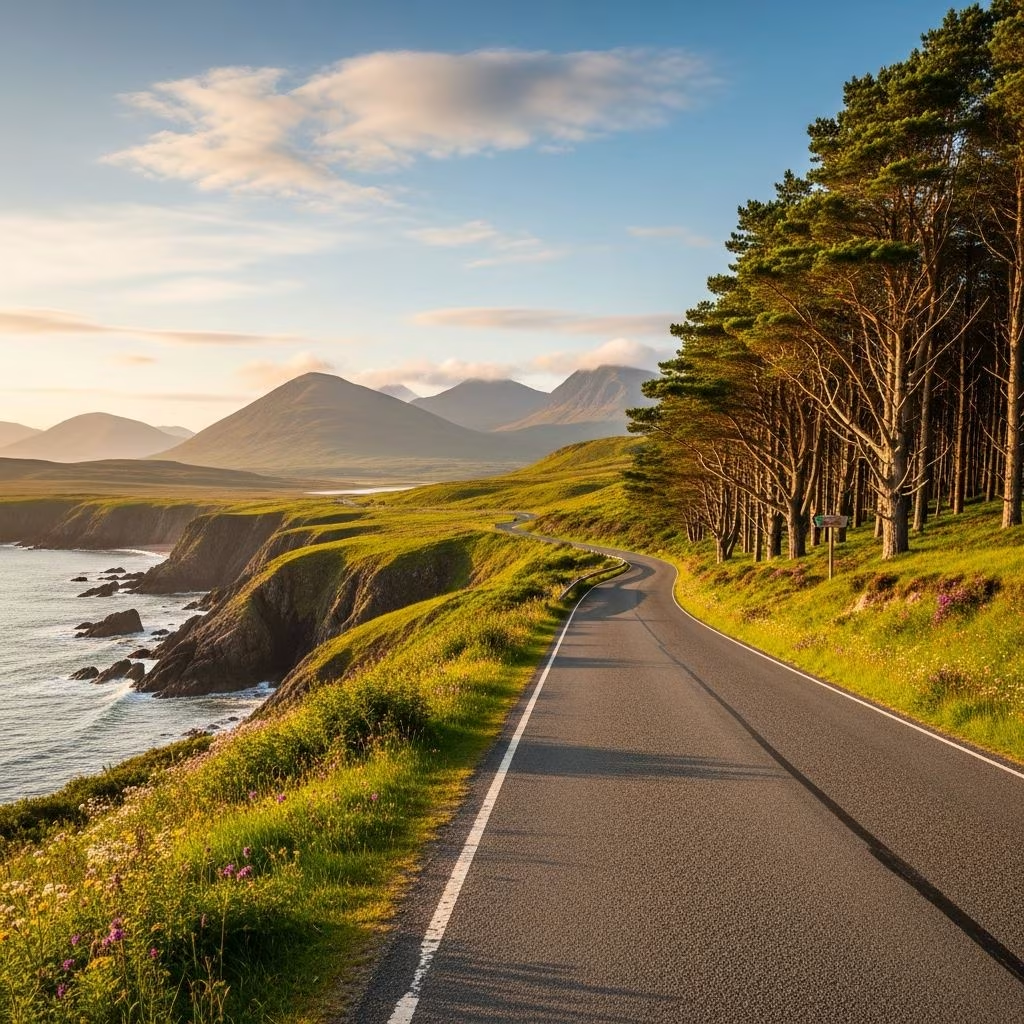
The North Coast 500 (NC500) is a breathtaking 516-mile coastal route through Scotland’s northern Highlands, showcasing dramatic cliffs, pristine beaches, and ancient castles. Launched in 2015, this iconic road trip has surged in popularity, drawing adventurers worldwide but straining fragile ecosystems and rural communities. To ensure its timeless allure endures, travelers must prioritize sustainability. This guide outlines practical steps for an eco-conscious journey, from preparation to daily habits.
Stretching from Inverness northward, the NC500 traverses remote single-track roads shared by tourists, locals, farm vehicles, and emergency services. Its wild beauty—UNESCO-recognized Flow Country peatlands, turquoise bays rivaling tropical paradises, and towering sea stacks—attracts over 1 million visitors annually, amplifying issues like litter, erosion, and housing pressures. Overtourism has prompted communities to advocate for mindful exploration, emphasizing that responsible actions protect both nature and residents who’ve stewarded these lands for millennia.
Before departure, sign the official NC500 Responsible Visitor Pledge, a community-driven initiative combating tourism’s impacts. This commitment covers key behaviors: proper waste disposal, designated parking, and local purchasing. By pledging, you join efforts to safeguard habitats and infrastructure.
The cornerstone of respectful Highland travel is the Scottish Outdoor Access Code, outlining rights and responsibilities for outdoor activities. Rooted in three pillars—respect others, care for environments, and own your actions—it applies universally on the NC500.
| Pillar | Key Guidelines | NC500 Application |
|---|---|---|
| Respect Others | Minimize disruption to residents, farmers, and other users. | Yield to locals on narrow roads; avoid blocking farm gates. |
| Care for Environment | Prevent damage to plants, soil, and wildlife. | Stick to paths to curb erosion; no off-road parking. |
| Take Responsibility | Plan ahead, equip properly, and know local rules. | Check weather forecasts; carry waste bags for remote areas. |
Download the full code from official Scottish government resources for detailed scenarios like cycling or horse riding.
Leave No Trace (LNT) is vital for preserving the NC500’s unspoiled vistas. Pack out all rubbish, even if bins overflow—”give your litter a lift, take it home!”. Human waste requires burial 200m from water using a trowel; opt for stoves over fires to avoid scorching peat.
In pristine spots like Durness beaches, scout for microplastics and report via apps like Litterati.
NC500 roads demand vigilance: narrow, winding single-tracks with passing places test even seasoned drivers. Adhere to 60mph limits, but slow for livestock, cyclists, and pedestrians—many stretches lack pavements.
For rural driving mastery, consult resources from road safety experts emphasizing hazard perception on unsealed surfaces.
Ditch informal wild camping amid rising complaints of damage. Certified sites via NC500’s map ensure low-impact stays, often with composting toilets and greywater systems.
Many Highland families have shifted to tourism; reciprocate by sourcing regionally. Shop farm stands for seafood, cheeses, and crafts; dine at independents over chains.
| Region | Local Must-Tries | Sustainability Perk |
|---|---|---|
| East Coast (Wick-Thurso) | Fresh kippers, whisky tastings | Supports inshore fishing fleets |
| North Coast (Durness) | Cocoa Mountain chocolate, craft gin | Zero-waste producers |
| West Coast (Ullapool) | Shellfish feasts, bakeries | Reduces food miles |
Join guided experiences: surf lessons in Thurso reveal tidal patterns; kayak tours in Loch Brora uncover hidden coves sustainably. Avoid self-led treks in sensitive moors.
Home to otters, sea eagles, and peatlands storing vast carbon, the NC500 demands distance. Binoculars beat close approaches; report sightings to iRecord for conservation data.
A 5-7 day loop allows unhurried pacing. Start clockwise from Inverness: Day 1 to Dunnet Head via castles; mid-route for Flow Country; west for Ullapool seafood.
Use interactive NC500 maps for detours to villages like Cromarty, blending adventure with immersion.
Yes, responsibly: away from roads/buildings, no fires, full Leave No Trace. Prefer sites amid high demand.
Take rubbish home; never abandon it. Plan for remote stretches with extra bags.
May-September for weather, but shoulder seasons (April/May, Sept) reduce crowds.
Pull into passing places for faster vehicles; locals know routes best.
Use designated sites only; no verge camping.
By integrating these practices, travelers contribute to resilient communities and intact ecosystems. Initiatives like the pledge foster collective stewardship, ensuring the NC500 remains a world-class destination without compromising its soul. Venture forth mindfully—leave only memories, take only photos.
