

 Travel Essentials
 Travel Essentials

Discover how to experience Botswana's wildlife and natural wonders on a tight budget, from camping options to cost-effective safaris and transportation.
 Travel Essentials
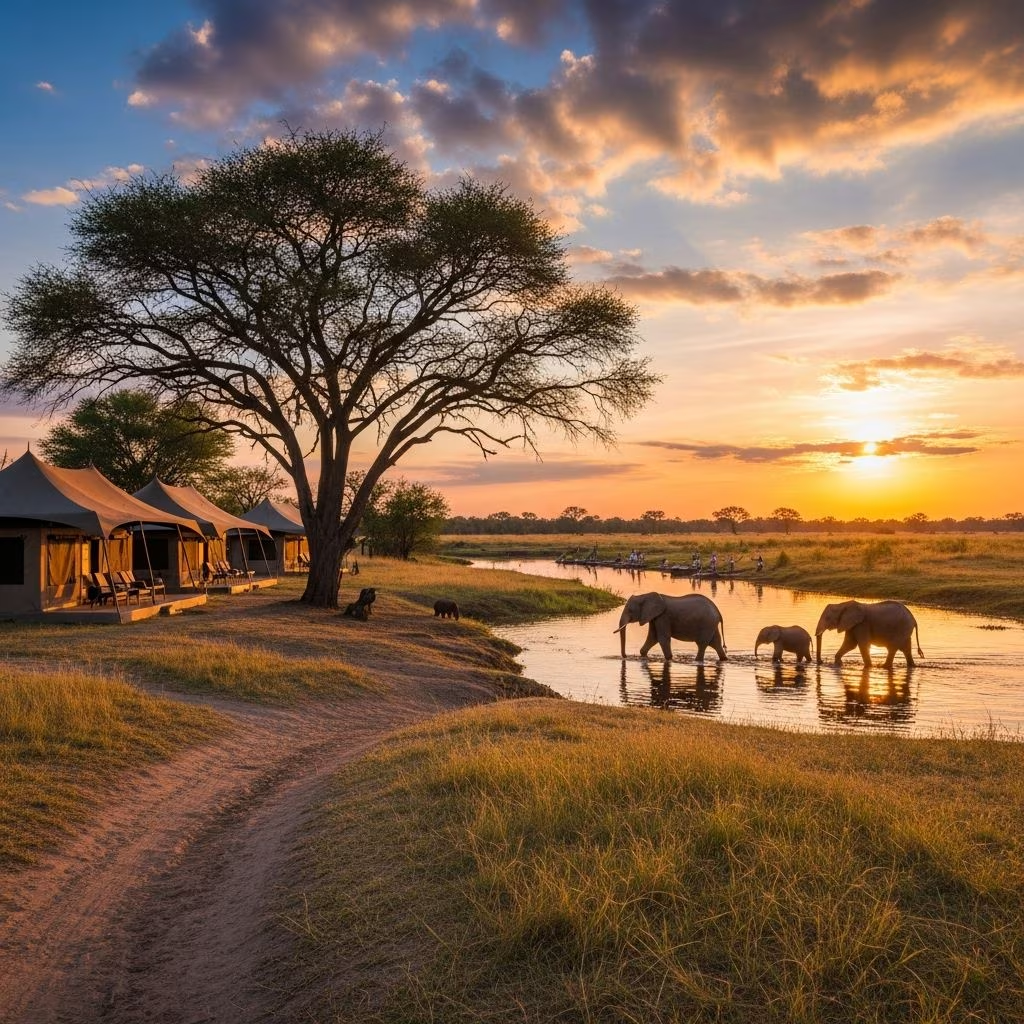
Botswana has long been positioned as an upscale safari destination, yet strategic travelers continue to discover that exploring this remarkable African nation remains achievable on modest budgets. While luxury experiences command premium prices, numerous cost-effective alternatives allow visitors to encounter the country’s extraordinary wildlife and landscapes without depleting their savings. Understanding where to allocate resources and which seasons offer better value becomes essential for budget-conscious explorers.
The daily cost structure in Botswana varies significantly depending on your travel style and choices. Establishing a realistic budget framework helps travelers make informed decisions about their itineraries and accommodation preferences. Base expenses fluctuate widely based on the type of lodging selected, mode of transportation, and participation level in organized activities.
Fundamental daily costs breakdown as follows: standard intercity bus travel ranges from US$25, while coffee purchases average US$2.50 and casual dining options like sandwiches cost approximately US$4. A dinner for two in a modest restaurant typically runs around US$22, with local beer costing about US$3 per pint. These baseline costs provide a foundation for calculating overall expenditures.
Accommodation represents the largest variable in budgeting. Camping within national parks and designated reserves starts from US$20 per person, while established campsites charge around US$30 per tent. Self-catering double rooms at campsite facilities begin at US$50, offering basic comfort without meals included. Mid-range lodges providing half-board arrangements (breakfast and dinner) cost from US$100 per person nightly. Four-star properties with all-inclusive packages begin at US$500 per person daily, while premium luxury suites exceed US$1,000 nightly.
Choosing appropriate lodging significantly impacts overall expenses. Budget travelers should prioritize camping options, which provide the lowest-cost entry point to Botswana’s accommodation landscape. National park and reserve camping offers not only affordability but also authentic wilderness experiences, placing visitors directly in wildlife habitats.
Self-catering campsite rooms present a middle ground, offering basic comfort while eliminating meal expenses. These facilities typically provide essential amenities without unnecessary luxuries. Travelers who enjoy cooking and simple accommodations find this option particularly economical, as purchasing groceries from local markets substantially reduces food costs compared to restaurant dining.
For those requiring modest comfort with included meals, semi-basic lodges offer reasonable value. These establishments provide functional rooms, basic meals, and sometimes guided activities at significantly lower rates than upscale properties. The key difference lies in amenities—fewer frills translate to substantially reduced pricing.
Getting between destinations efficiently without excessive spending requires strategic planning. Intercity buses represent the most economical transportation method, with fares starting at US$25 for significant distances. These services connect major towns and provide budget travelers with reliable mobility across the country.
For visitors interested in self-directed exploration, vehicle rental presents an attractive option despite initial costs. A 4WD rental averages US$150 daily, which becomes economical when distributed across multiple travelers. A week-long rental can cost less than a single night at luxury accommodations, making self-drive safaris particularly cost-effective for groups. Two primary rental approaches exist: standard vehicle rentals from companies like Avis, or fully equipped 4WD units from specialized firms that include rooftop tents and cooking equipment.
Fuel, food, water, and firewood constitute the only additional expenses for self-drive expeditions. These supplies are readily available at reasonable prices in major towns like Kasane and Maun, where travelers can stock up before venturing into remote areas.
Scheduled flights between major hubs offer faster alternatives to overland travel. A typical flight from Maun to Kasane costs approximately US$65, saving significant travel time for those with limited schedules. Charter flights to remote camps, however, typically exceed budget parameters and should be avoided by cost-conscious travelers.
Participating in wildlife viewing represents the primary motivation for visiting Botswana, yet safari costs can vary dramatically. Semi-participation safaris represent the most economical option for those willing to contribute actively to camp operations. Travelers assist with setting up tents, preparing meals, and managing camp facilities, reducing operator costs that transfer directly to lower pricing.
Day-trip excursions offer accessible alternatives to extended multi-day safaris. These outings typically involve 4WD drives of two to three hours to embarkation points, with costs substantially lower than comprehensive overnight expeditions. Guided nature walks complement these excursions, providing wildlife education and interpretation without additional expense. Visitors should prepare with appropriate sun protection, comfortable footwear, and water.
Boat-based activities in regions like Chobe National Park offer excellent value. Sunset boat safaris in Chobe cost approximately US$35 per person, providing wildlife viewing opportunities at remarkably reasonable rates compared to traditional game drives. The Okavango Delta presents similar value when organized independently, with day trips averaging US$50 per person—substantially less expensive than pre-packaged tours from luxury operators.
Canoe excursions through the Okavango Delta cost roughly US$100 and provide intimate wildlife encounters in unique wetland environments. These traditional mokoro trips allow visitors to observe bird species, aquatic mammals, and riparian ecosystems from water-level perspectives unavailable from terrestrial vantage points.
Location choices dramatically influence both costs and logistics. Certain destinations offer superior accessibility and reasonable pricing compared to remote alternatives. Road-accessible parks like Chobe National Park and Moremi Game Reserve provide wildlife diversity without requiring expensive charter flights. Nxai Pan National Park, home to Baines’ Baobabs, similarly offers manageable access and iconic scenery.
Conversely, numerous camps nestle in remote locations reachable only by charter aircraft. These exclusive venues command premium prices reflecting their isolation and scarcity. Budget travelers should strategically select accessible destinations that balance wildlife viewing opportunities with transportation efficiency.
The Khwai area presents excellent compromise, offering substantial wildlife encounters at more reasonable rates than ultra-remote camps. This region balances accessibility with authentic safari experiences, making it ideal for financially conscious travelers.
Temporal decisions influence pricing structures significantly. The green season, spanning December through March, represents the least expensive period to visit Botswana. During these months, many lodges implement rate reductions reaching 40% below peak-season pricing. Some facilities temporarily close during the wettest months—January and February—limiting options but substantially reducing costs for those visiting during accessible green-season weeks.
This seasonal period brings notable advantages beyond pricing. Abundant rainfall creates lush vegetation, supporting diverse bird populations and providing scenic landscapes. Wildlife viewing requires more effort due to increased vegetation density, but patient observers encounter remarkable variety. Tourist numbers decrease substantially, offering more intimate experiences and reduced crowding at popular viewing sites.
Dry season months (May through September) attract premium pricing due to concentrated wildlife viewing at water sources. Accommodation fills rapidly, and prices reach peak levels. However, dry season offers superior photographic opportunities and predictable wildlife encounters, justifying higher costs for those prioritizing this period.
Food costs consume substantial portions of travel budgets, yet strategic approaches minimize these expenses. Self-catering accommodations allow travelers to purchase groceries from local markets, significantly reducing meal costs compared to restaurant dining. Local produce markets in towns like Gaborone, Francistown, and Maun offer fresh vegetables, fruits, and staple foods at reasonable prices.
Travelers with access to camp cooking facilities can prepare elaborate meals for fractions of restaurant costs. Combining local produce with imported staples creates satisfying cuisine while maintaining budget discipline. Basic cooking equipment, when provided with rental accommodations, proves invaluable for extended travels.
Those without cooking facilities should utilize local restaurants and food stalls, which provide affordable meals. Street food vendors and small eateries offer authentic local cuisine at modest prices, typically substantially less expensive than tourist-oriented establishments.
Not all experiences require premium pricing. Budget travelers must prioritize activities offering the best value relative to investment. Sunset boat safaris in Chobe deliver exceptional wildlife encounters at remarkably low costs. Village visits and cultural interactions often occur free or at minimal charge, providing meaningful cultural engagement without substantial expenditure.
| Activity Type | Estimated Cost | Duration | Value Assessment |
|---|---|---|---|
| Sunset Boat Safari | US$35 | 3-4 hours | Excellent |
| Day Game Drive | US$50-80 | 4-6 hours | Very Good |
| Okavango Delta Day Trip | US$50 | Full day | Excellent |
| Mokoro Canoe Trip | US$100 | Half to full day | Good |
| Scenic Flight (45 min) | US$100 | 1-2 hours | Fair to Poor |
| Village Cultural Visit | US$10-20 | 2-3 hours | Excellent |
A realistic seven-day budget for independent travelers averages between US$350-550 per person, excluding international transportation. This estimate assumes camping or basic accommodation, self-catering meals, participation in select activities, and practical transportation choices.
Daily allocations typically break down as: accommodation (US$25-35), food (US$20-30), transportation (US$10-15), and activities (US$30-50). This framework allows flexibility for special experiences while maintaining overall discipline. Travelers emphasizing camping and cooking achieve lower per-day costs, while those prioritizing comfort and convenience may exceed these averages.
Solo travelers face mixed cost dynamics. Accommodation expenses remain constant regardless of occupancy, though some facilities offer single-room discounts. Activity costs divide differently—shared tour expenses benefit groups disproportionately. Solo travelers typically spend US$350-400 weekly, slightly less than group averages due to reduced activity participation.
Disciplined campers with cooking facilities can survive on US$15-20 daily, excluding activities. This requires camping, self-catering, overland transportation, and limited paid activities. Most travelers find this unsustainably restrictive and prefer US$30-50 daily for improved comfort and experience quality.
Multi-day camping safaris offer superior value per activity hour compared to repeated day trips. Overnight expeditions distribute accommodation and transportation costs across extended experiences. However, day trips from established towns provide flexibility and lower total expenditure for time-limited travelers.
Chobe National Park area, surrounding Kasane, provides excellent budget facilities, public transportation, and diverse activities. The region balances accessibility with authentic wildlife experiences. Okavango Delta regions near Maun similarly offer established budget accommodation and activity networks.
Botswana welcomes budget-conscious travelers willing to prioritize authentic experiences over luxury accommodations. Strategic location selection, seasonal timing, and activity curation enable meaningful wildlife encounters and cultural engagement at accessible price points. While the country commands higher costs than some African nations, disciplined budgeting and thoughtful planning reveal Botswana’s remarkable value for independent travelers committed to experiencing its unparalleled wilderness.
