

 Travel Essentials
 Travel Essentials

Learn how to visit Machu Picchu responsibly by following conservation practices, respecting local communities, and minimizing environmental impact.
 Travel Essentials
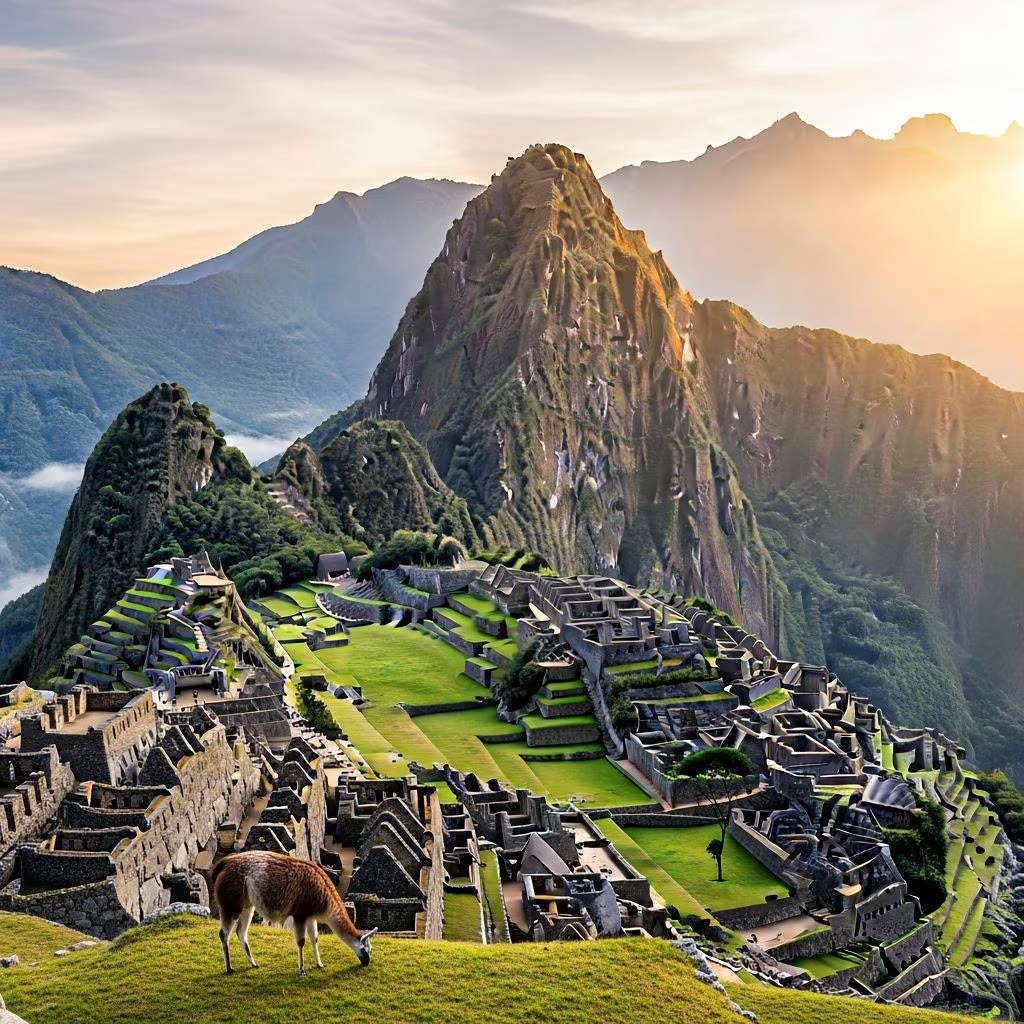
Machu Picchu stands as one of the world’s most remarkable archaeological achievements, attracting approximately 1.5 million visitors annually. This 15th-century Incan citadel perched high in the Andes Mountains faces unprecedented pressure from the volume of tourism flowing through its ancient pathways. The delicate balance between welcoming visitors and preserving this UNESCO World Heritage Site has become critical to its long-term survival. Understanding how to visit this iconic destination responsibly transforms your experience from a simple tourist visit into a meaningful contribution to global conservation efforts.
The influx of international travelers has created substantial challenges for site preservation. The combination of foot traffic, moisture from humid mountain air, and environmental stress threatens the integrity of structures that have endured for centuries. The Peruvian government and conservation organizations have recognized that protecting Machu Picchu requires active participation from every visitor. Modern management strategies now include visitor capacity limits, designated walking routes, and specific entry time windows to distribute the impact across the day.
The fragile ecosystem surrounding the citadel is equally vulnerable. The cloud forest environment that provides the dramatic backdrop for Machu Picchu contains endemic plant species found nowhere else on Earth. Hiking trails that connect to the site can experience erosion from improper foot placement, while improper waste disposal threatens water sources that communities downstream depend upon for survival.
Visiting Machu Picchu responsibly begins with understanding fundamental principles that should guide every action during your visit. These principles protect not only the physical structures but also honor the cultural significance of this sacred place to indigenous Quechua communities.
One of the most important practices for protecting Machu Picchu involves adhering strictly to marked pathways. Official routes exist for a specific purpose—they distribute visitor weight across areas of the site designed to withstand foot traffic, while protecting fragile structures and natural features from damage. Venturing off-trail accelerates erosion, can damage archaeological features, and disturbs the vegetation that stabilizes the mountainside.
The site now enforces predetermined walking paths, with some areas restricted entirely from public access. These restrictions exist not to limit your experience but to ensure the site remains viable for future generations. Many areas of the ruins are cordoned off specifically for preservation purposes, such as the Temple of the Sun and other ceremonially important structures.
The precisely cut stone walls of Machu Picchu are masterpieces of engineering that have survived earthquakes, centuries of abandonment, and extreme weather. However, they are vulnerable to the oils from human hands, which accelerate deterioration of the intricate masonry. Maintaining a one-meter distance from walls and stonework protects these irreplaceable features while still allowing you to appreciate their remarkable craftsmanship.
Photography technology offers excellent alternatives for examination. Camera zoom functions allow you to capture architectural details without physical contact. This approach gives you superior images while simultaneously protecting the structures. Graffiti and deliberate damage result in substantial fines, with violations carrying penalties up to 10 UIT (approximately USD 14,400 as of 2025).
Machu Picchu enforces strict regulations regarding single-use plastics and waste management. The site bans single-use plastic bottles, disposable rain ponchos, and other convenience items designed for one-time use. These restrictions may seem inconvenient but reflect the practical reality that waste removal from this mountain sanctuary is expensive, environmentally damaging, and ultimately unsustainable.
Responsible visitors should prepare by investing in reusable alternatives before arrival. A quality reusable water bottle serves as the foundation of responsible packing. Designated refill stations exist throughout the visitor areas, providing clean water without creating plastic waste. Similarly, selecting durable, reusable rain protection—such as a quality rain jacket—eliminates the need for disposable ponchos while providing superior weather protection.
The principle of packing out what you pack in applies to all materials, including organic waste like fruit peels and food scraps. Many visitors assume biodegradable items don’t require removal, but these materials decompose slowly at high altitude and attract wildlife to areas where human food disrupts natural foraging patterns.
Toiletries and personal care products used at Machu Picchu and surrounding areas impact water quality downstream. Conventional soaps, shampoos, and sunscreens contain chemicals that harm delicate aquatic ecosystems. Selecting biodegradable alternatives protects water sources without requiring you to sacrifice personal hygiene.
Reef-safe sunscreen deserves particular emphasis, as UV-filtering chemicals in conventional products have been documented affecting coral and freshwater ecosystems. Biodegradable soaps break down naturally without leaving harmful residues in water sources. These products cost slightly more than conventional alternatives but represent a meaningful investment in environmental protection.
Machu Picchu remains sacred to indigenous Quechua communities, many of whom trace their ancestry directly to the Incan civilization that built the citadel. Approaching the site with appropriate reverence transforms your visit from tourism into cultural exchange. Maintaining low noise levels preserves the spiritual atmosphere that permeates many areas of the site, while demonstrating respect for communities who continue to hold ceremonies and maintain traditions in these spaces.
Photography rules exist partly for preservation but also reflect restrictions on capturing sacred imagery. Some areas prohibit photography entirely, while drones are banned across the entire site. These restrictions protect both the physical integrity of sensitive structures and the cultural protocols that communities wish to maintain regarding image capture of sacred spaces.
Dressing appropriately involves more than personal comfort—it demonstrates respect for local cultural norms. Avoiding revealing clothing acknowledges that this is not a casual entertainment destination but a significant cultural and historical site. This principle applies regardless of warm weather or the physical demands of hiking at altitude.
The cloud forest surrounding Machu Picchu supports wildlife species adapted to high-altitude environments. Vizcachas (small relatives of chinchillas), various bird species, and other animals inhabit this ecosystem. Responsible visitors observe wildlife from a distance, allowing animals to engage in natural behaviors without human interference.
Feeding animals—even with what seems like appropriate food—disrupts natural foraging patterns and can create dependency relationships that harm animal survival. Flash photography disturbs wildlife, particularly birds during nesting seasons, disrupting breeding behaviors critical to population sustainability. These restrictions may limit certain photo opportunities, but they preserve the natural integrity of the ecosystem that makes Machu Picchu visually spectacular.
Responsible tourism begins before arrival at Machu Picchu. Booking tickets through official channels well in advance allows sites to manage visitor flow more effectively. This advance planning enables the implementation of timed entry windows (currently 6am-noon and noon-5:30pm) that distribute impact throughout the day.
Researching regulations and site requirements before arrival allows you to pack appropriately and mentally prepare for the experience. Understanding that food is prohibited inside the citadel, that only entrance facilities have restrooms, and that personal water containers are essential helps you arrive properly equipped.
If hiking to Machu Picchu rather than taking the train, choosing your trekking company carefully significantly impacts environmental and social outcomes. Over 150 licensed trekking agencies operate in Cusco, with quality standards varying dramatically. Reputable operators like Andean Treks, ExplorAndes, and Tambo Tours consistently demonstrate commitment to environmental protection through practices including trash recycling, proper human waste management, water conservation, and fair porter wages.
Eco-certified tour operators offer small-group experiences led by local guides who provide deeper context about Incan history, local traditions, and conservation initiatives. These tours often limit environmental impact more effectively than self-guided visits while creating economic benefits for local communities.
Consider carbon-offset programs for flights to Peru, addressing the substantial emissions associated with international air travel. Supporting local businesses through accommodation choices, purchasing from community artisans, and dining at locally-owned restaurants ensures tourism revenue benefits the communities most impacted by conservation requirements.
Staying in sustainable hotels that utilize renewable energy and conservation practices creates demand for environmental responsibility in the tourism industry. These establishments often employ local staff and source materials locally, multiplying the economic benefits of your accommodation choice.
| Regulation Category | Requirement | Purpose |
|---|---|---|
| Entry Time Windows | Two windows: 6am-noon and noon-5:30pm | Distribute visitor impact throughout the day |
| Single-Use Plastics | Strictly prohibited | Reduce waste accumulation in mountain environment |
| Food and Beverages | No outside food inside citadel | Prevent litter and wildlife attraction |
| Photography Restrictions | No drones; some areas prohibit all photography | Protect sensitive structures and cultural protocols |
| Smoking and Vaping | Prohibited throughout site | Protect air quality and prevent fire hazards |
| Touching Structures | Maintain 1-meter distance from walls | Prevent deterioration from hand oils and direct contact |
Essential items include a reusable water bottle (with capacity for multiple refills), durable hiking boots, quality rain jacket, biodegradable toiletries, reef-safe sunscreen, and a sealed bag for waste removal. Avoid single-use plastics entirely, including disposable ponchos and bottled water. Pack light to minimize your physical impact on trails.
While not mandatory, guided tours offer advantages for responsible visitation. Certified guides ensure you stay on designated paths, provide context about cultural significance and conservation efforts, and help you maximize the value of your experience within site restrictions. If self-guiding, research official pathways thoroughly beforehand.
Violations carry penalties ranging from confiscation of prohibited items to substantial fines for damage or theft. Graffiti and structural damage violations can result in fines exceeding USD 14,000. More importantly, violations directly contribute to site degradation, undermining conservation efforts and limiting access for future visitors.
Research operator practices regarding waste management, porter compensation, environmental protection measures, and community engagement. Seek operators with sustainability certifications and positive reviews from visitors concerned with responsible tourism.
Every visitor decision—from reusable bottle selection to respecting photography restrictions—contributes to either preservation or degradation of Machu Picchu. Multiplied across 1.5 million annual visitors, individual actions create either catastrophic cumulative impact or meaningful collective conservation.
Your responsible visit models sustainable tourism for other travelers and demonstrates to tourism industry stakeholders that visitors value environmental protection and cultural respect. Sharing knowledge about responsible practices with fellow travelers extends your conservation impact beyond your personal visit.
Visiting Machu Picchu sustainably represents more than following rules—it embodies recognition that this irreplaceable site belongs to humanity’s shared heritage. The choices you make during your visit determine whether this remarkable achievement of Incan engineering and construction endures for future generations or gradually disappears under the weight of thoughtless tourism.
