

 Travel Essentials
 Travel Essentials

Learn practical strategies for visiting Montana on a tight budget, from camping and hiking to free summer events and money-saving dining options.
 Travel Essentials
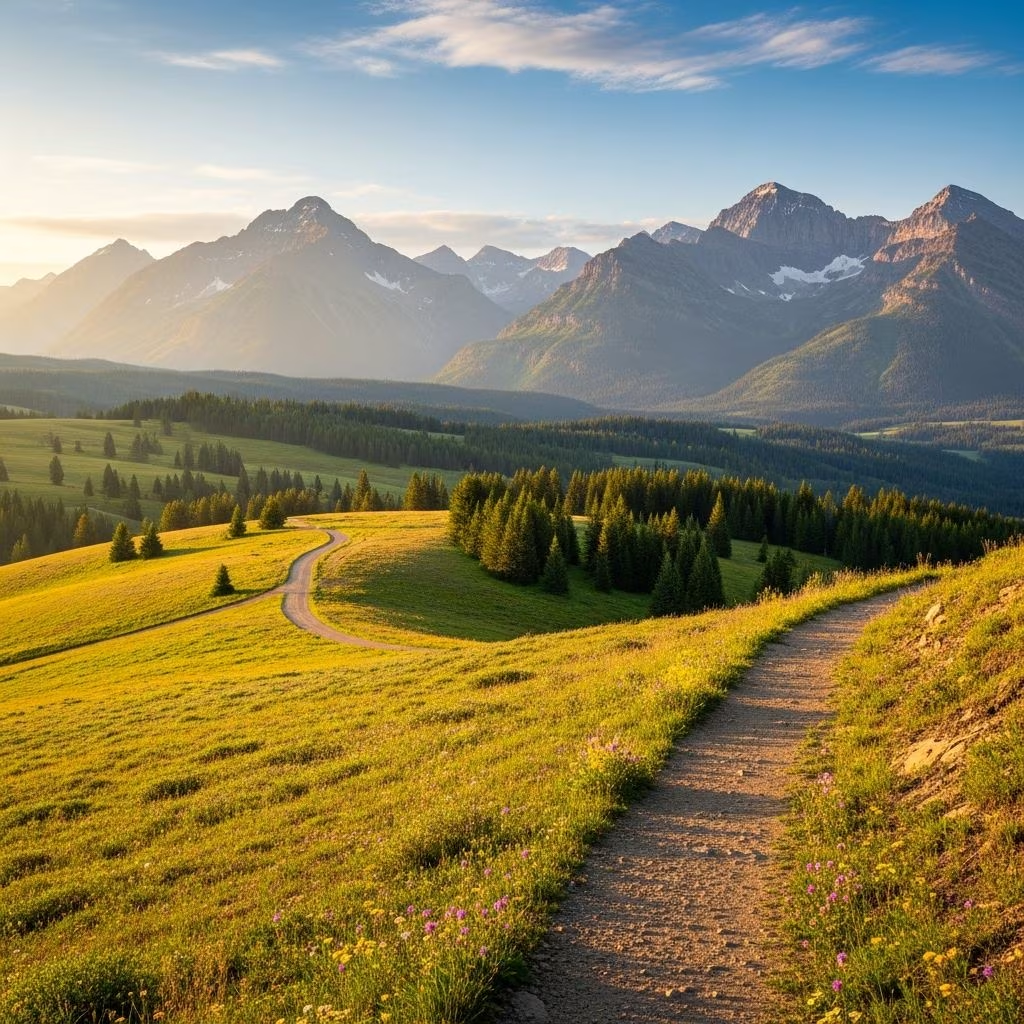
Montana’s vast wilderness, dramatic mountain landscapes, and charming small towns draw visitors from around the world each year. However, many potential travelers assume that experiencing this magnificent state requires a substantial financial investment. The reality is quite different—with thoughtful planning and strategic choices, you can enjoy an unforgettable Montana adventure while maintaining a modest budget.
Before diving into specific money-saving strategies, it helps to understand the baseline expenses you’ll encounter. Daily costs in Montana vary significantly depending on your travel style and accommodation choices. Budget-conscious travelers can structure their trips around the most cost-effective options, while still enjoying authentic Montana experiences.
For a typical week-long vacation, budget travelers can expect total costs ranging from $700 to $1,050 per person. This calculation factors in accommodations, meals, transportation, and activities. By making strategic decisions in each category, you can remain well within this range or even spend less depending on your specific choices.
Accommodation typically represents one of the largest expenses on any vacation. Montana offers numerous ways to significantly reduce this cost without sacrificing comfort or access to outdoor experiences.
Camping: The Gold Standard for Budget Travelers
Camping remains the most economical lodging choice available throughout Montana. Public campgrounds, particularly those managed by the National Forest Service and Bureau of Land Management, offer sites ranging from completely free to approximately $30 per night. Many undeveloped public campsites cost nothing whatsoever, making them ideal for travelers with minimal budgets.
Private campgrounds typically charge between $14 and $34 per night, still far less than hotel accommodations. Gallatin National Forest, for example, provides multiple scenic RV-accessible campsites near popular destinations like Big Sky for as little as $14 nightly. When booking popular locations such as Glacier National Park campgrounds, advance reservations are essential, as sites fill quickly during peak season.
Alternative Accommodation Solutions
Beyond traditional camping, other budget-friendly options exist. Hostel dorm beds range from $30 to $60 per night, providing affordable shelter with opportunities to meet fellow travelers. Self-catering apartments and Airbnb properties start at approximately $130 for accommodations suitable for two people, though these work better for groups splitting costs.
Seasonal variations significantly impact Montana travel costs. Summer represents the most popular season, yet strategic visits during shoulder seasons and winter can yield substantial savings.
Montana’s summer months offer unparalleled natural beauty and abundant free community events. However, winter visits—particularly for those interested in skiing—can be surprisingly affordable when combined with budget accommodations and free activities. The transition seasons of spring and fall often provide ideal weather with fewer crowds and correspondingly lower prices for accommodations and activities.
Hiking: Montana’s Premier Free Activity
Hiking stands as the quintessential Montana experience and one of the most budget-friendly activities available. While vehicle parking at national parks requires payment (typically $35 for a seven-day pass at Glacier or Yellowstone National Parks), the hiking itself remains free. Glacier National Park alone boasts over 700 miles of maintained trails ranging from short walks to challenging backcountry routes. Park rangers frequently lead free guided hikes, combining professional interpretation with zero cost to participants.
Beyond national parks, Montana’s vast network of public lands offers unlimited hiking opportunities. Most trails on national forest and public lands remain completely free to access. Whether seeking alpine lake destinations, waterfall viewing, or summit hikes with panoramic vistas, Montana’s hiking infrastructure accommodates every fitness level without requiring payment.
Community Events and Cultural Celebrations
Montana’s cities and towns host numerous free, family-friendly events throughout summer months. These celebrations range from music festivals and street fairs to farmers markets and outdoor concerts. Participating in these events provides authentic cultural experiences while requiring minimal or no expenditure. Farmers markets particularly benefit budget travelers, offering opportunities to purchase affordable, fresh produce while experiencing local commerce and meeting residents.
Scenic Driving and Wildlife Observation
Some of Montana’s most spectacular scenery is accessible via vehicle, often free or low-cost. The Going-to-the-Sun Road, one of North America’s most scenic drives, provides breathtaking mountain vistas at no charge beyond national park entrance fees. Wildlife watching—whether observing bison, elk, or eagles in their natural habitats—costs nothing and remains one of Montana’s most rewarding free activities.
Water-Based Recreation
Montana’s pristine lakes and rivers offer excellent recreation opportunities. Kayaking and paddling on lakes like Big Sky’s Lake Levinsky or Hebgen Lake can be enjoyed affordably through rental companies offering competitive rates. Float trips on rivers like the Gallatin range from $60 to $125 per person, providing guided experiences at reasonable prices.
Food expenses can quickly overwhelm a travel budget. Montana provides several strategies for maintaining meal costs while enjoying quality nutrition.
Leveraging Montana’s Tax Advantages
Montana imposes no sales tax, a significant advantage when purchasing groceries. Shopping at major supermarket chains like Albertsons or WinCo Foods yields substantial savings compared to restaurant dining. Non-perishable items—trail mix, canned soups, dried fruits, and granola—provide affordable sustenance for hiking and outdoor adventures while lasting through camping trips.
Grocery store deli counters and prepared food sections offer reasonably priced ready-to-eat options ideal for travelers wanting hot meals without restaurant prices. Coffee, a significant daily expense, costs $2.50 to $3.50 when purchased at cafés, making grocery store coffee or camp-prepared beverages substantial money-savers.
Cooking Your Own Meals
When camping or staying in accommodations with kitchen facilities, preparing meals dramatically reduces daily food expenses. Purchasing ingredients at grocery stores and cooking breakfast and dinner while eating lunch at picnic areas creates a sustainable, affordable eating pattern. Farmers markets provide seasonal produce at prices often lower than supermarkets while supporting local agriculture.
Getting to and around Montana requires careful budget consideration given the state’s vast geography.
Flights and Airport Selection
Round-trip flights to Montana’s major airports range from $200 to $700 depending on departure city and season. Booking during shoulder seasons or off-peak times reduces airfare costs substantially. Flying to the airport closest to your final destination minimizes additional ground transportation expenses.
Ground Transportation
Montana’s size necessitates vehicle transportation for most visitors. Economy rental cars cost $40 to $60 daily, reasonable given the distances involved. Larger SUVs and trucks command $100 to $150+ daily, making them impractical for budget-conscious travelers. Booking rental cars in advance secures better rates than walk-up rentals.
Current gas prices average approximately $3.55 per gallon for regular fuel. Calculating anticipated fuel costs based on planned mileage helps prevent budget overruns. Grouping activities geographically minimizes unnecessary driving, thereby reducing fuel consumption and associated expenses.
Beyond free activities, Montana offers numerous reasonably priced recreational opportunities.
Guided Experiences and Their Costs
While free hiking is abundant, specialized experiences carry appropriate price tags. Wildlife viewing tours cost $75 to $150 per person, providing expert knowledge and specialized access. Rafting and float trips range from $60 to $125, offering thrilling water adventures. Ski lift tickets average $65 to $120 daily. Professional fly-fishing guides represent a premium experience at $450 to $600 daily, suitable for those with larger activity budgets.
Budget Activity Planning
Weekly activity expenses typically run $200 to $500 per person, depending on the mix of free and paid experiences. Building itineraries that emphasize free activities—hiking, scenic drives, wildlife watching, stargazing, and lake exploration—allows budget travelers to maximize experiences while minimizing costs. Allocating modest resources toward one or two specialized activities ensures memorable experiences without excessive expense.
Big Sky and Mountain Recreation
Big Sky, known as an upscale resort destination, need not break budgets when approached strategically. Summer visits cost substantially less than ski-season trips. Hiking to destinations like Lava Lake through scenic alpine meadows combines free transportation (your feet) with stunning natural beauty. Mountain bike rentals provide access to Big Sky’s extensive trail network, including the 10-mile Grizzly Loop Trail, at affordable rates. The Ramcharger chairlift at Big Sky Resort provides summit access for hiking and biking activities at reasonable cost.
Diverse Recreational Pursuits
Montana caters to numerous recreational interests beyond hiking. Cross-country skiing and snowshoeing transform winter trails into accessible winter recreation. Horseback riding is available through ranches offering hourly to half-day rides at moderate prices, making this traditionally expensive activity more accessible. Climbing opportunities attract enthusiasts, with climbing outfitters offering guidance and equipment rental throughout the state.
National parks represent significant attractions but require strategic budgeting. Glacier and Yellowstone National Parks each charge $35 per vehicle for seven-day passes. The America the Beautiful Annual Pass, costing $80 yearly, provides unlimited access to all U.S. national parks, making it worthwhile for multi-park trips or frequent visitors. Front-country camping within national parks typically costs $10 to $30 nightly, often cheaper than nearby private options.
Montana’s extraordinary natural landscapes, vibrant communities, and diverse recreational opportunities remain accessible to budget-conscious travelers willing to plan strategically. By prioritizing camping over hotels, shopping at grocery stores rather than restaurants, emphasizing Montana’s abundant free activities, and timing visits during less-expensive seasons, visitors can experience everything this magnificent state offers without financial strain. The combination of outdoor recreation, cultural events, and scenic beauty ensures that budget travel in Montana yields rich experiences rather than compromised adventures.
