

 Travel Essentials
 Travel Essentials

Comprehensive guide to visiting the North Pole: access methods, costs, best times, wildlife, packing tips, and expedition details for ultimate polar journeys.
 Travel Essentials
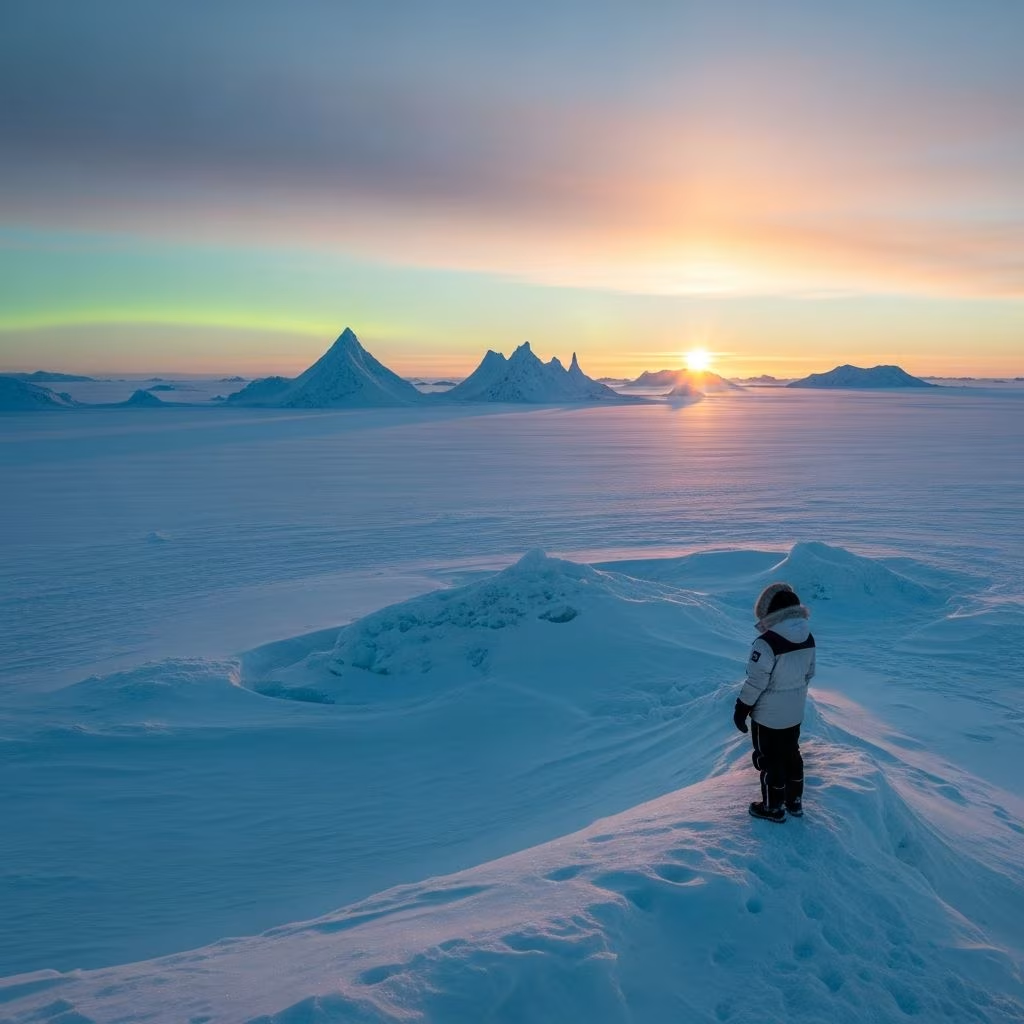
The North Pole, Earth’s northernmost geographic point, captivates adventurers with its remote isolation over the frozen Arctic Ocean. Accessible only during brief seasonal windows, reaching this mythical location demands specialized transport like nuclear icebreakers, helicopters from ice camps, or grueling ski expeditions. Fewer than a thousand visitors achieve this feat annually, making it one of the planet’s most exclusive destinations.
Situated 700 miles from Svalbard, the North Pole floats on 6-10 feet of shifting sea ice with no landmass or permanent markers. Constant drift from currents, winds, and tides reshapes the ice daily, sometimes moving camps over 10 miles. Unlike the South Pole’s solid continent, this spot challenges explorers with unstable terrain and extreme conditions.
Travel options vary by fitness, budget, and time commitment. Here’s a breakdown:
| Method | Duration | Cost (USD) | Season | Fitness Level |
|---|---|---|---|---|
| Flight/Heli | 1-2 days | ~25,000 | April | Low |
| Last Degree Ski | 5-7 days | 40,000+ | April | High |
| Full Ski Traverse | 40-60 days | 60,000+ | Spring | Extreme |
| Icebreaker Ship | 14-16 days | 30,000-60,000 | June-Sept | Low |
Spring (April) suits ski and flight trips when ice is stable but temperatures plummet to -40°C. Summer (June-September) favors icebreakers as melting edges open leads, though fog and drift complicate navigation. Avoid winter’s total darkness and open water periods.
En route, expect polar bears—guides ensure safety—plus seabirds, whales, and seals. Vast ice panoramas, pressure ridges, and midnight sun create surreal vistas. At the pole, stand at 90°N, often marked temporarily by flags or camps.
Layer meticulously: base layers for wicking, insulated mid-layers, and windproof shells. Essentials include:
Prioritize frostbite prevention and hydration despite cold.
Ski expeditions require months of conditioning: pull tires simulating sleds, cross-country ski 50+ km weekly, and build core strength. Medical checks confirm fitness for cold stress. Mental resilience counters isolation and unpredictability.
Expect premium pricing due to logistics. Early booking secures discounts; prices rise closer to departure. Includes gear rentals, meals, guides, but add travel to embarkation ports. Reputable operators like PolarExplorers (since 1993) prioritize safety.
Polar bears demand armed guides; ice cracks require lead navigation. Climate change thins ice, increasing leads and instability. Hypothermia, frostbite, and avalanches (rare) are managed via trained teams and emergency evacuations.
Minimize impact: no single-use plastics, follow Leave No Trace. Support research-focused operators contributing to Arctic science.
Yes, but options suit various abilities; ships are most accessible.
From $23,000 for flights to $60,000+ for ships or skis.
Guides with rifles protect groups; sightings are common but managed.
Operations account for 10+ mile daily shifts; flights adjust.
Ships: no; skis: extensive training required.
