

 Travel Essentials
 Travel Essentials

Learn how to join the Volunteers-In-Parks program, find opportunities on Volunteer.gov, earn free park passes, and contribute to conservation efforts nationwide.
 Travel Essentials
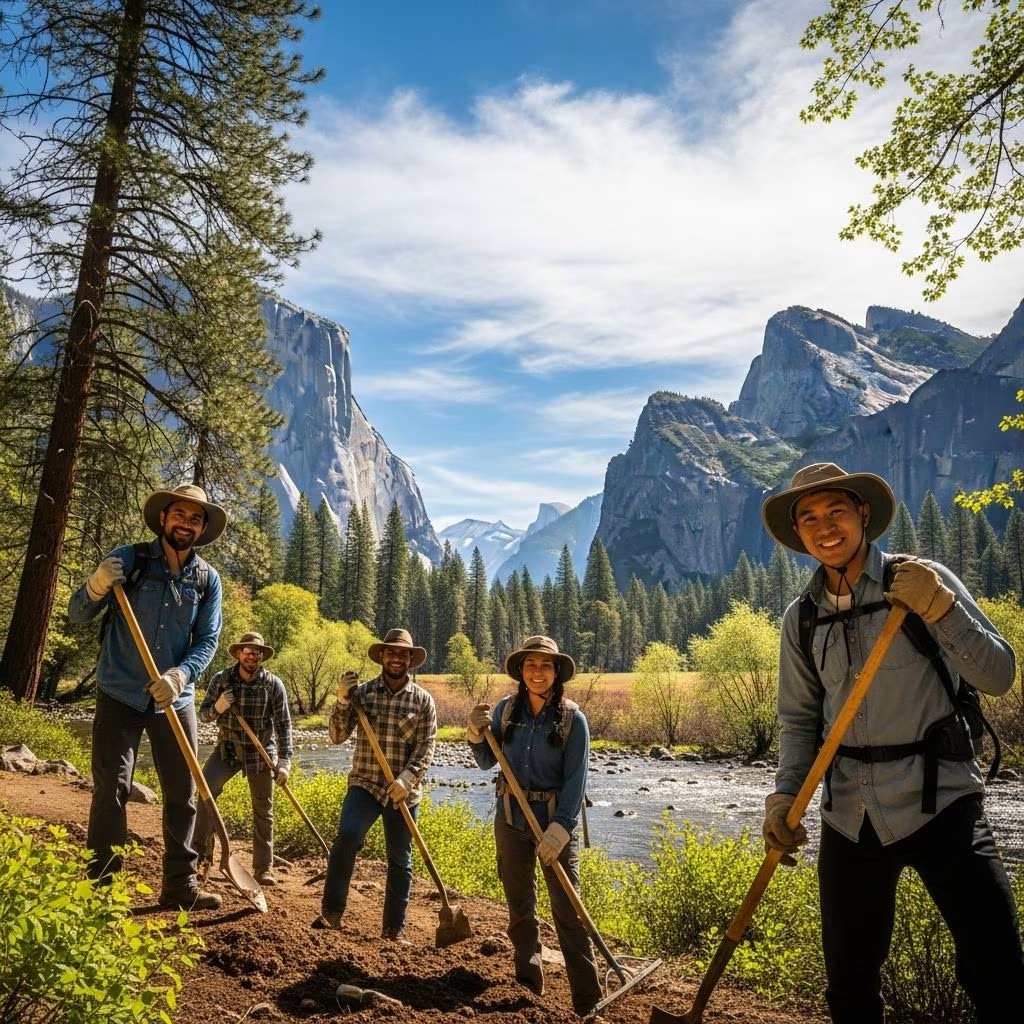
Volunteering with the U.S. National Park Service offers individuals a chance to contribute to the preservation of over 85 million acres of protected land while experiencing America’s natural wonders up close. Through the Volunteers-In-Parks (VIP) program, participants can engage in diverse activities that support park operations and conservation efforts.
The VIP program, established by Public Law 91-357, enables the National Park Service to leverage public support for mutually beneficial initiatives. Volunteers assist in preserving natural and cultural resources across more than 420 park sites, from urban parks to remote wilderness areas. Opportunities span short-term events and extended commitments, allowing flexibility for various lifestyles.
Most Americans live within 100 miles of a national park, making local involvement accessible. Whether near home or at a bucket-list destination, volunteers play crucial roles in maintaining trails, educating visitors, and monitoring ecosystems.
National parks offer a wide array of roles tailored to different skills and interests. Volunteers can choose based on duration, location, and activity type.
Examples include wilderness ranger assistants at Mount Rainier (mid-May to mid-October, flexible dates) or monarch monitoring at Indiana Dunes (through September).
Start your search on Volunteer.gov, the primary platform for federal volunteer listings. Filter by location, timeframe, activity, and commitment level to match your availability.
Alternative steps include:
Applications typically require basic information, availability, and skills. Some roles, like campground hosting, demand 32 hours weekly for housing eligibility. Parks may list short-term events separately from long-term positions.
After accumulating **250 service hours** with federal agencies like NPS or U.S. Forest Service, volunteers receive a **Volunteer Pass**. This provides free entry to fee-charging parks for the passholder plus vehicle occupants (or up to four adults for per-person fees), valid for one year.
Other perks include campground housing for qualifying commitments, training in Leave No Trace principles, and recognition through awards. Adhering to the seven Leave No Trace principles—plan ahead, use durable surfaces, dispose of waste properly, leave what you find, minimize campfire impacts, respect wildlife, and be considerate—enhances your impact.
| Benefit | Requirements | Details |
|---|---|---|
| Volunteer Pass | 250 hours | Free entry for 1 year; covers vehicle or 4 adults |
| Housing | 32 hrs/week commitment | Campgrounds at select parks like Death Valley |
| Awards | Various hour milestones | Recognition via NPS Reference Manual 7 |
Prepare physically and mentally for tasks like trail work, which may involve hiking or manual labor. Review park-specific requirements, such as background checks for visitor-facing roles.
Follow NPS guidelines from Director’s Order #7 and Reference Manual 7 for health, safety, and program management. Bring appropriate gear: sturdy boots, weather-resistant clothing, and personal supplies. Virtual volunteers need reliable internet.
Commit to safety by reporting incidents and following protocols. Parks provide orientation to ensure volunteers align with mission goals.
Over 300,000 people volunteer annually, tackling everyday tasks like litter pickup alongside specialized efforts such as wildlife research or art residencies. At Indiana Dunes, volunteers track monarch populations aiding conservation. Mount Rainier assistants maintain trails and issue permits, directly supporting visitor safety.
These contributions help manage vast landscapes where NPS resources alone fall short. Volunteers foster community ties, enhancing public appreciation for parks.
Common hurdles include physical demands, remote locations, or scheduling conflicts. Mitigate by selecting roles matching your fitness level and using Volunteer.gov filters.
For long-term stays, plan logistics like transportation. Weather variability in places like Death Valley requires adaptability. Stay informed via park websites for updates.
As parks face growing visitation, your involvement sustains their legacy. Gain skills in conservation, leadership, and environmental stewardship while creating lasting memories. Whether a single cleanup or seasonal residency, every hour counts toward protection.
No prior experience is required for most roles; training is provided. Skills like hiking or public speaking are bonuses.
Generally 16+, but some parks allow younger with guardians. Check listings.
Not guaranteed; often tied to 32-hour weekly commitments at campgrounds.
Yes, many opportunities welcome groups or families.
U.S. work authorization may be needed for extended roles; short events often open.
NPS logs service; request confirmation after 250 hours.
Embark on your volunteering journey today via Volunteer.gov and make a tangible difference in America’s treasures.
