

 Travel Essentials
 Travel Essentials

Explore Peru's Huayhuash Circuit: a demanding 130-180km trek through dramatic Andean landscapes, high passes, and pristine campsites. Essential guide for hikers.
 Travel Essentials
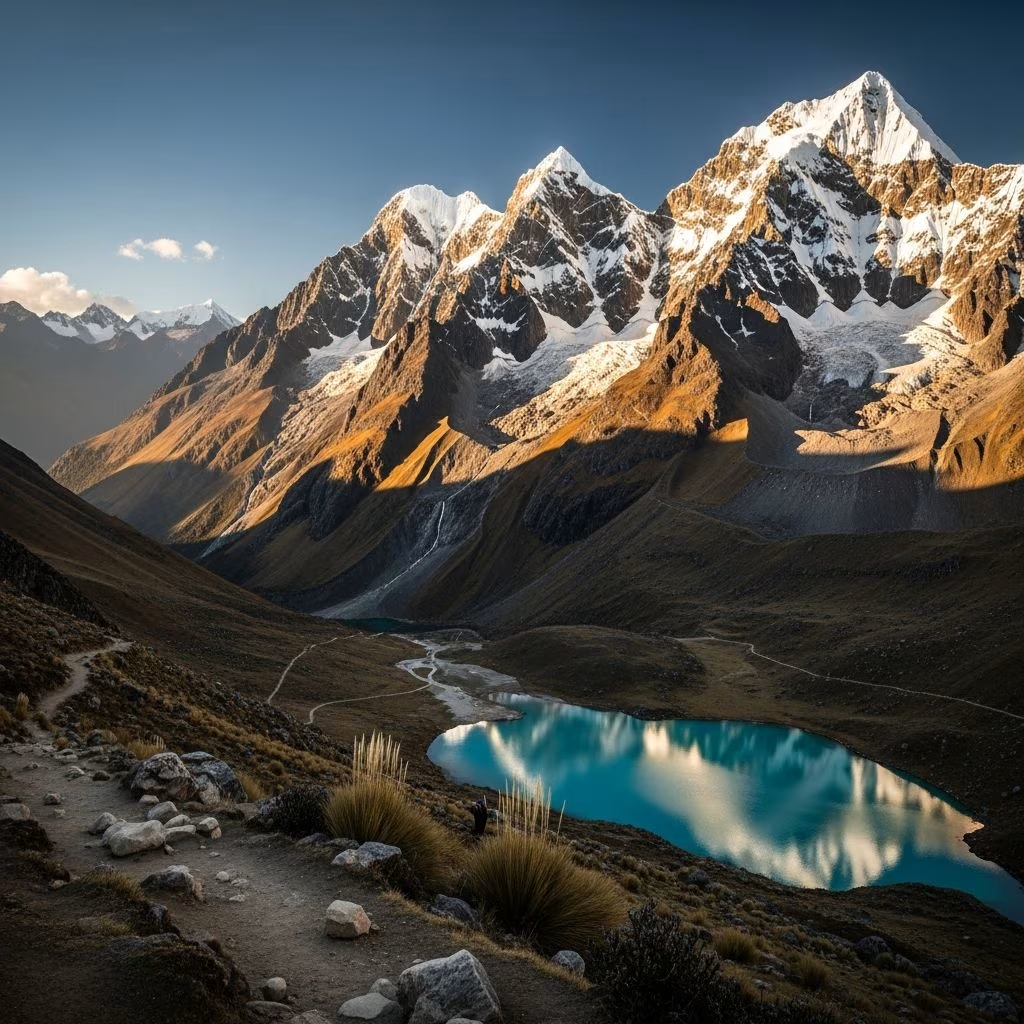
The Huayhuash Circuit stands as a pinnacle of global trekking adventures, weaving through Peru’s remote Cordillera Huayhuash range. This route challenges hikers with relentless high-altitude passes, dramatic glacial vistas, and pristine turquoise lakes, earning its reputation among the top 10 treks worldwide. Spanning approximately 130-180 km depending on the itinerary, it demands physical endurance and altitude acclimatization, rewarding adventurers with unparalleled Andean beauty.
Nestled adjacent to the more accessible Cordillera Blanca, the Huayhuash range boasts over 30 peaks, six exceeding 6,000 meters, including the tropical world’s second-highest summit, Yerupajá at 6,634m. Unlike crowded trails elsewhere in Peru, this circuit offers solitude amid jagged spires, hanging glaciers, and verdant valleys teeming with Andean wildlife like vicuñas and condors.
Hikers traverse undulating terrain entirely above 4,000m, crossing 8-12 passes between 4,600m and 5,050m daily. The physical toll—long days of 5-8 hours carrying packs—contrasts with moments of awe at sites like Laguna Carhuacocha, where crystalline waters mirror snow-capped giants. For many, the trek’s emotional highs, from pass summits to starlit camps, forge lasting bonds with nature.
Tailor the experience to your fitness and time with varied itineraries, most starting from Llamac village or Quartelhuain campsite.
Shorter starts from Quartelhuain via recent road access trim initial distance but preserve the core challenge. Daily stats vary: expect 13-22km hikes, 650-1,585m gains, and camps at 4,250-4,500m.
| Route Length | Days | Distance | Max Pass | Best For |
|---|---|---|---|---|
| Mini | 4 | ~50km | 4,700m | Intro hikers |
| Standard | 8-10 | 130km | 5,050m | Experienced |
| Full | 12-14 | 180km | 5,000m+ | Elite adventurers |
The optimal window spans May to September, offering dry, chilly conditions ideal for high passes. Early season (May-June) brings wildflowers; peak dry months (July-August) ensure stable trails; late season risks initial snow. Avoid wet season (October-April) due to landslides and impassable paths.
Expect freezing nights (sub-zero at camps), intense UV, and sudden storms. Pack layers: waterproof jacket, thermals, down jacket, gloves, hat, and sun protection. Recent anomalies like mid-year snow underscore weather unpredictability.
Begin in Lima, flying to Huaraz (1 hour via LCPerú) or busing (8 hours with Oltursa/MovilTours). Acclimatize 1-2 days in Huaraz at 3,000m with easy hikes. From Huaraz, board Turismo Nazario bus to Llamac (5 hours), the traditional start.
Organized tours arrange private transfers; independents can hire combis or taxis. Stock supplies in Huaraz markets for the remote trail.
This trek tests beyond distance: sustained hypoxia above 4,000m fatigues even fit hikers. Train 3-6 months with cardio (running/hiking), strength (squats/lunges), and altitude simulation via stairs or hills with packs.
Hire donkeys/mules for loads (essential for independents); local arrieros manage grazing. Permits required via communities (S/100-200/person via agencies).
Altitude sickness strikes frequently above 4,700m; symptoms include headaches, nausea. Mitigate with diamox, hydration (5L/day), slow pacing. Emergency descent critical for severe cases. Other risks: hypothermia, GI issues from water, injuries on scree.
Travel insurance covering evacuation/helicopter mandatory. Solo trekkers: join groups or locals for safety. Wildlife sparse but watch for territorial donkeys near camps.
Day 1: Llamac to Quartelhuain (3,800m) Gentle 1,000m ascent through villages, first glimpses of peaks.
Day 2-3: To Mitucocha/Keshuwayacocha Cross Yarahuaca Pass (4,750m); Laguna Jahuacocha’s emerald waters stun.
Day 4-6: Carhuacocha Loop Iconic views of Yerupajá from shores; optional hot springs soak.
Day 7-9: High Passes Galore Siula Pass (4,850m), Cuyoc Pass (5,000m+); wild camping amid glaciers.
Day 10-12: Descent to Llamac Final passes, valley flora, triumphant finish.
| Option | Pros | Cons | Cost Estimate |
|---|---|---|---|
| Guided | Logistics handled, cooks/mules, safety net | Less flexible, group pace | $800-1,500 USD |
| Independent | Custom pace, solitude, cheaper | Heavy planning, language barriers, risks | $300-600 USD |
Agencies from Huaraz offer all-inclusive; solos need Spanish basics, community fees.
No—requires strong fitness, altitude experience. Opt for mini version first.
Typically 5,050m at Cuyoc or similar; all passes exceed 4,600m.
Yes, community entry fees; agencies handle, independents pay en route.
Possible with preparation; join groups recommended for safety.
Shoulder months (May, September) balance weather and solitude.
Tread lightly: no-trace principles vital in this fragile ecosystem. Support locals via fair wages; avoid single-use plastics. Growing popularity strains resources—choose sustainable operators.
