

 Travel Essentials
 Travel Essentials

Comprehensive guide to Hudson Valley's most enchanting towns offering art galleries, farm-to-table dining, outdoor recreation, and historic landmarks.
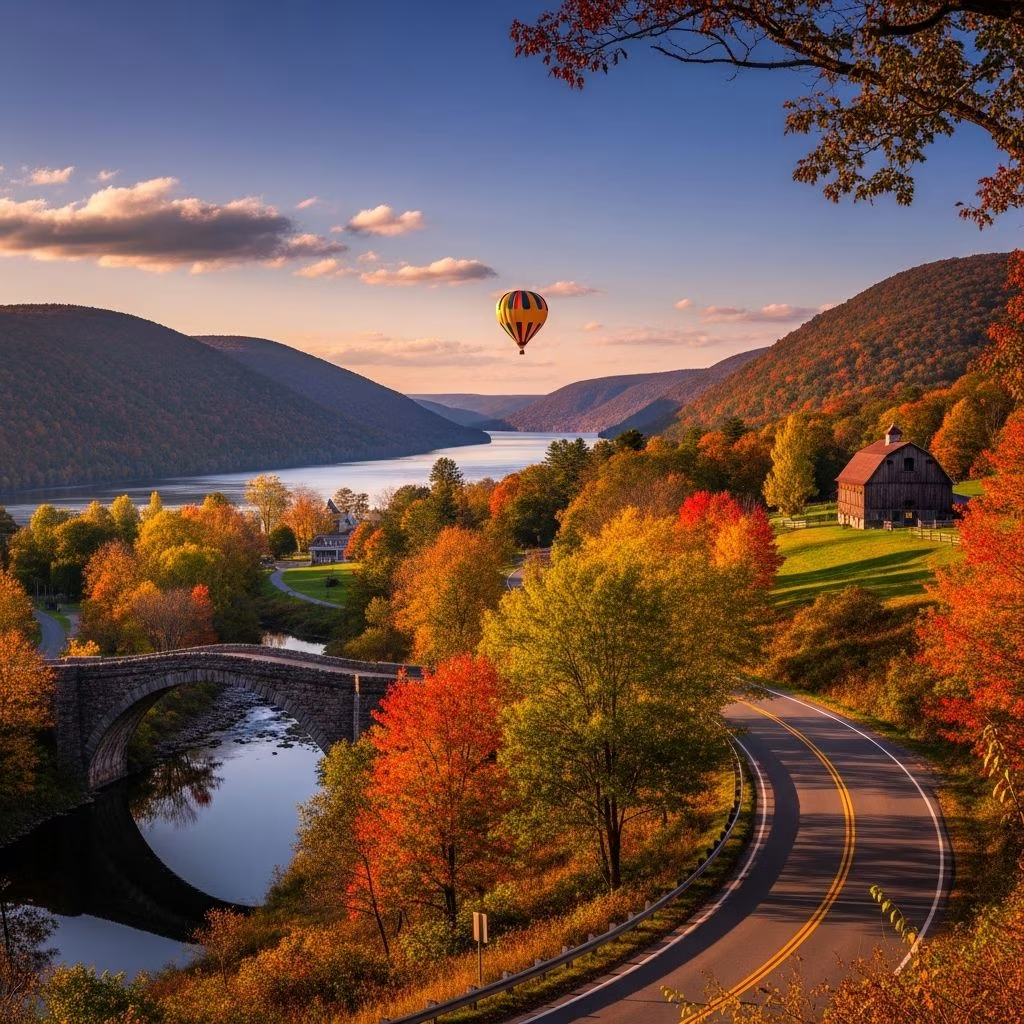 Travel Essentials
The Hudson Valley region of New York has emerged as one of America’s most compelling travel destinations, attracting visitors seeking a perfect blend of natural beauty, artistic innovation, and culinary excellence. Once overlooked by many travelers, these charming communities now thrive as dynamic cultural centers that maintain their small-town charm while offering world-class amenities and attractions. Whether you’re planning a weekend escape from the city or a more extended exploration, the Hudson Valley offers diverse experiences that cater to every type of traveler.
The transformation of Hudson Valley towns over the past two decades represents a remarkable case study in thoughtful community revitalization. What were once economically struggling industrial towns have reinvented themselves as vibrant creative hubs without sacrificing their authentic character. This renaissance has been driven by a combination of factors: the arrival of artists seeking affordable studio space, entrepreneurs establishing independent businesses, and the cultivation of farm-to-table dining scenes that have gained national recognition. The region’s proximity to New York City, combined with its stunning natural landscape and rich historical heritage, has positioned it as an ideal destination for those seeking respite from urban life without sacrificing cultural sophistication.
The Hudson Valley spans multiple counties across the eastern edge of New York State, each offering distinct characteristics and attractions. The region’s geography creates natural variations in landscape, from dramatic mountain views to gentle riverside vistas, influencing the character of individual communities. Understanding this diversity helps travelers select destinations that align with their interests and preferences.
The valley encompasses areas ranging from urban centers to rural agricultural communities, historic colonial settlements to contemporary creative enclaves. This geographic diversity means that visitors can experience dramatically different environments within relatively short driving distances, making it possible to design multi-day itineraries that encompass varied experiences.
Several Hudson Valley towns have successfully positioned themselves as cultural epicenters, drawing creatives, food enthusiasts, and history buffs. These communities feature walkable downtown districts lined with galleries, boutiques, and acclaimed restaurants. The transformation of historic commercial corridors into vibrant shopping and dining destinations has been central to these towns’ reinvention.
Contemporary art institutions, independent theaters featuring experimental performances, and multidisciplinary art centers established in repurposed industrial buildings have become anchors for cultural tourism. These venues attract not only visitors but also retain creative professionals who might otherwise relocate to larger metropolitan areas.
Many Hudson Valley towns have maintained architectural integrity while accommodating modern needs. Historic buildings have been thoughtfully converted into boutique hotels, restaurants, and cultural venues. This approach preserves the visual character of historic downtown districts while supporting economic vitality through adaptive reuse projects.
Beyond cultural offerings, the Hudson Valley provides exceptional opportunities for outdoor enthusiasts and nature lovers. The region features numerous parks, hiking trails, and waterfront access points that make it ideal for active recreation.
The Hudson Valley has become renowned for its innovative culinary scene, built upon the region’s agricultural heritage and proximity to fresh, seasonal ingredients. The farm-to-table movement has taken particularly strong root in Hudson Valley communities, with restaurants establishing direct relationships with local farms and producers.
The combination of historically agricultural communities and an influx of professionally trained chefs has created a unique gastronomic environment. Restaurants range from casual farm stands and farmers’ markets to fine dining establishments that have gained national recognition. This diversity means that visitors can access high-quality food experiences at various price points and formality levels.
The Hudson Valley’s historical significance extends back to the American colonial period and through the industrial revolution. The region contains numerous preserved sites that illuminate different chapters of American history.
Beyond traditional history museums, Hudson Valley communities host specialized institutions dedicated to specific artistic movements, regional history, and contemporary culture. These facilities attract scholars, enthusiasts, and casual visitors interested in specific subjects.
Art museums housed in historic buildings or contemporary spaces feature collections spanning centuries of American and international art. Many institutions present rotating exhibitions alongside permanent collections, ensuring that repeat visitors encounter new material. Educational programs, lectures, and special events extend the cultural value of these institutions beyond their core collections.
Hudson Valley towns have become destinations for distinctive shopping experiences that reflect the region’s creative culture. Rather than generic chains, downtown commercial districts feature independent boutiques, vintage shops, and specialty retailers.
Antique markets, vintage clothing stores, and used bookshops appeal to treasure hunters and collectors. Galleries showcasing local artists provide opportunities to acquire original artwork directly from creators. Artisanal food shops and specialty retailers reflect the region’s farm-to-table values and support for local producers.
Hudson Valley towns offer diverse lodging options to suit different travel styles and budgets. Boutique hotels housed in historic buildings provide character and contemporary comfort. Bed-and-breakfast establishments offer intimate hospitality and local knowledge. Larger resort properties provide extensive amenities. This accommodation diversity ensures that visitors can select options aligned with their preferences and financial parameters.
| Season | Characteristics | Recommended Activities |
|---|---|---|
| Spring | Moderate temperatures, flowering landscapes, fewer crowds than summer | Garden tours, hiking, outdoor dining preparation |
| Summer | Warm weather, peak tourist season, outdoor entertainment series | River activities, waterfront dining, outdoor theater, farmers’ markets |
| Fall | Vibrant foliage, comfortable temperatures, harvest festivals | Scenic drives, apple picking, wine tastings, art festivals |
| Winter | Cold weather, holiday decorations, quieter atmosphere | Holiday events, indoor cultural activities, indoor shopping |
The Hudson Valley benefits from multiple transportation options for visitors originating from New York City and other northeastern locations. Amtrak service provides scenic rail access to various communities throughout the region, offering an alternative to automobile travel. This accessibility from major metropolitan areas makes the Hudson Valley particularly attractive for weekend excursions.
Within the valley, automobile access remains the primary means of exploring multiple towns during a multi-day visit. However, some communities emphasize walkable downtown districts and pedestrian-friendly layouts that reduce the need for vehicular transportation once visitors arrive.
The diversity of Hudson Valley attractions suggests several possible itinerary approaches. Cultural enthusiasts might focus on communities known for robust arts scenes, museum collections, and independent galleries. Nature-oriented travelers could prioritize towns offering outdoor recreation, scenic parks, and waterfront access. Culinary tourists might design routes emphasizing farmers’ markets, acclaimed restaurants, and food-focused attractions.
Multi-day visits allow exploration of varied environments and attractions without rushing. A typical itinerary might incorporate a mix of cultural institutions, outdoor experiences, dining venues, and shopping districts, with flexible scheduling that accommodates spontaneous discoveries and extended visits to particularly compelling locations.
Each season offers distinct advantages. Summer provides warm weather and maximum entertainment options but attracts peak crowds. Fall offers comfortable temperatures and beautiful foliage. Spring and winter present fewer crowds and lower accommodation costs, though with reduced outdoor activity options.
Hudson Valley towns range from approximately 30 miles (Westchester County communities) to over 100 miles (northern valley communities) from New York City, with travel times varying based on specific locations and traffic conditions.
Yes, the relatively compact geography allows visitors to experience multiple communities in one day, though this pace may feel rushed. Multi-day visits allow for more leisurely exploration of each location.
While Amtrak provides rail access to major communities, exploring multiple towns and accessing certain attractions typically requires automobile transportation. Individual downtown areas are pedestrian-accessible once visitors arrive.
The farm-to-table philosophy and diverse restaurant scene means that vegetarian, vegan, and other dietary preferences are well-accommodated across Hudson Valley communities.
The Hudson Valley continues evolving as a destination, with new attractions, businesses, and initiatives regularly enhancing visitor experiences. Wellness-focused tourism has grown, with spas, yoga retreats, and health-oriented accommodations expanding throughout the region. Agritourism experiences, including farm tours and produce picking, appeal to visitors interested in food sourcing and agricultural practices.
Adventure tourism opportunities, including kayaking, mountain biking, and climbing experiences, have expanded, appealing to active travelers. The region’s natural beauty and outdoor infrastructure continue attracting visitors seeking active recreation combined with cultural experiences.
The Hudson Valley represents an important model for sustainable tourism development, demonstrating how communities can embrace cultural tourism while maintaining authenticity and local character. The region’s success in attracting visitors without becoming homogenized reflects thoughtful planning and community commitment to preserving what makes these towns distinctive.
Whether seeking artistic inspiration, culinary excellence, historical knowledge, or natural beauty, visitors find compelling reasons to explore Hudson Valley communities. The region’s combination of accessibility, diversity, and authentic character positions it as a premier northeastern travel destination that continues attracting repeat visitors who discover new dimensions with each visit.
