

 Travel Essentials
 Travel Essentials

Explore Hungary's iconic Budapest, ancient castles, soothing thermal baths, and regional gems like Eger and Lake Balaton in this comprehensive travel guide.
 Travel Essentials
Hungary captivates visitors with its blend of grand architecture, therapeutic thermal waters, and hearty culinary traditions. Nestled in Central Europe, this landlocked nation offers accessible adventures for all travelers, from urban explorers to nature enthusiasts.
Hungary stands out for its affordability, efficient public transport, and diverse attractions. The country’s capital, Budapest, serves as a dynamic gateway, while surrounding regions reveal medieval castles, wine regions, and serene lakes. With a temperate climate featuring warm summers and crisp winters, it’s ideal year-round, especially for Christmas markets or summer festivals.
Government sources confirm Hungary’s Schengen Area membership allows visa-free entry for U.S. citizens up to 90 days, simplifying planning. Reliable rail networks connect major sites, making car-free travel feasible.
Fly into Budapest Ferenc Liszt International Airport, the primary hub. Affordable shuttles, taxis, or the 100E express bus whisk you to the city center in under an hour. Public transport passes, starting at around $15 for two weeks, cover buses, trams, and metros—essential for seamless exploration.
Hungary’s rail system shines for intercity trips. High-speed trains link Budapest to Eger in under two hours or Pécs in three. Buses complement trains for rural spots. In Budapest, the iconic No. 2 tram along the Danube offers scenic rides past illuminated landmarks.
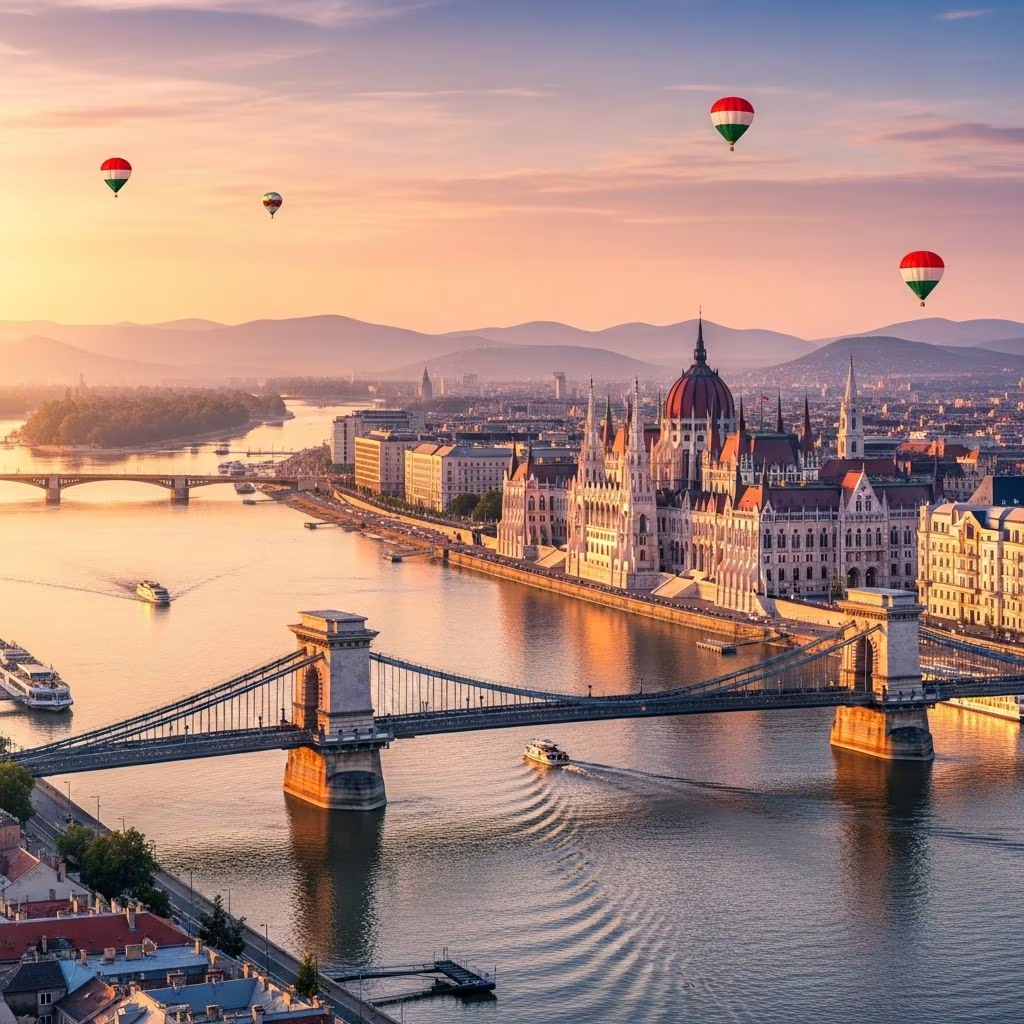
Split by the Danube into Buda and Pest, Budapest dazzles with neo-Gothic Parliament, Buda Castle, and Fisherman’s Bastion. Cruise the river at dusk for panoramic views of lit-up bridges and hillsides.
Thermal baths like Széchenyi and Gellért provide relaxation amid Art Nouveau splendor. Széchenyi’s outdoor pools buzz with locals playing chess in the water. Ruin bars in the Jewish Quarter transform Soviet-era buildings into eclectic nightlife hubs.
| Top Budapest Experiences | Duration | Cost Estimate (HUF) |
|---|---|---|
| Parliament Tour & Crown Jewels | 1 hour | 10,000 |
| Széchenyi Baths | Half-day | 12,000 |
| Danube River Cruise | 1 hour | 5,000 |
| Fisherman’s Bastion Views | 1-2 hours | Free (towers extra) |
St. Stephen’s Basilica houses the mummified hand of Hungary’s first king, a revered relic. Heroes’ Square honors national leaders, adjacent to Vajdahunyad Castle mimicking architectural eras.
Venture out for authentic Hungary. Szentendre, a 40-minute train ride, charms with artist workshops and Balkan vibes. Esztergom’s massive Basilica dominates the Danube Bend, offering spiritual and scenic highs.
Eger boasts Baroque elegance, a hilltop castle, and renowned Bull’s Blood wine. Thermal baths here provide a quieter alternative to Budapest’s crowds. Sopron, near Austria, preserves a pristine Baroque old town perfect for half-day stops en route to Vienna.
Székesfehérvár, an hour from the capital, features royal crypts and Bory Castle—a whimsical, artist-built fortress filled with sculptures. Gödöllő Palace, a Habsburg summer retreat, showcases opulent rooms and equestrian shows nearby.
Hungary sits on 2,000+ thermal springs, second only to Iceland. Budapest alone has 118, but nationwide gems like Hévíz Lake—Europe’s largest thermal lake—allow floating amid lily pads. These mineral-rich waters treat ailments from arthritis to stress, rooted in Roman and Ottoman legacies.
Entry includes cabins; bring flip-flops and a towel. Private spa treatments elevate the experience.
Hungarian food warms the soul with paprika-spiced goulash, chimney cakes (kürtőskalács), and lángos fried dough. Paprika, a national staple, colors dishes red. Pair meals with Tokaji sweet wines or Egri Bikavér reds.
Markets like Budapest’s Great Market Hall overflow with langos, sausages, and fresh produce. Ruin bars serve craft beers alongside bar snacks. Vegan options thrive, from stuffed cabbage to plant-based stews.
Regional specialties: Lake Balaton’s fish soup, Pécs’ spicy stews. Zwack Unicum Museum introduces herbal liqueur history with tastings.
Lake Balaton, Central Europe’s largest freshwater lake, beckons with beaches, sailing, and wine trails. The Danube Bend curves dramatically, ideal for hikes to Visegrád Citadel.
Hollókő’s UNESCO-listed village preserves palóc folk architecture amid hills. The Great Hungarian Plain offers horseback riding and cowboy shows in Hortobágy National Park. Cycle paths crisscross the country, with bike rentals ubiquitous.
Currency is the forint (HUF); cards are widely accepted, but carry cash for markets. English prevails in tourist areas; learn ‘köszönöm’ (thank you). Summers hit 30°C (86°F); winters dip below freezing—pack layers.
Stay safe: Petty theft occurs in crowds; use official taxis. Health care is high-quality; EU citizens bring EHIC cards.
U.S. citizens enjoy 90 visa-free days in the Schengen Area.
Spring (April-June) and fall (Sept-Oct) balance weather and crowds.
Yes—meals under $10, baths $15, transport passes cheap.
Many have kids’ pools; check age rules for saunas.
Trains and buses excel; Budapest’s metro is efficient.
