

 Travel Essentials
 Travel Essentials

Discover must-have items for your hurricane kit, evacuation plans, and safety tips from official sources to stay secure in storm-prone areas.
 Travel Essentials
The Atlantic hurricane season spans from June 1 to November 30, bringing potential threats of high winds, heavy rains, and flooding to coastal regions. Proactive preparation can significantly reduce risks, allowing individuals and families to focus on survival essentials like water, food, shelter, and communication during disruptions.
Hurricanes develop gradually, providing a window for action, unlike sudden disasters. Start assembling supplies well before June 1 to avoid last-minute shortages. Identify your vulnerability by checking if your area is in an evacuation zone through local emergency management offices or websites. This knowledge guides decisions on sheltering in place or evacuating early.
Official guidelines emphasize creating a family plan that includes communication strategies, such as paper lists of contacts since power outages may disable phones. Sign up for alerts via the Emergency Alert System or Wireless Emergency Alerts to receive timely warnings.
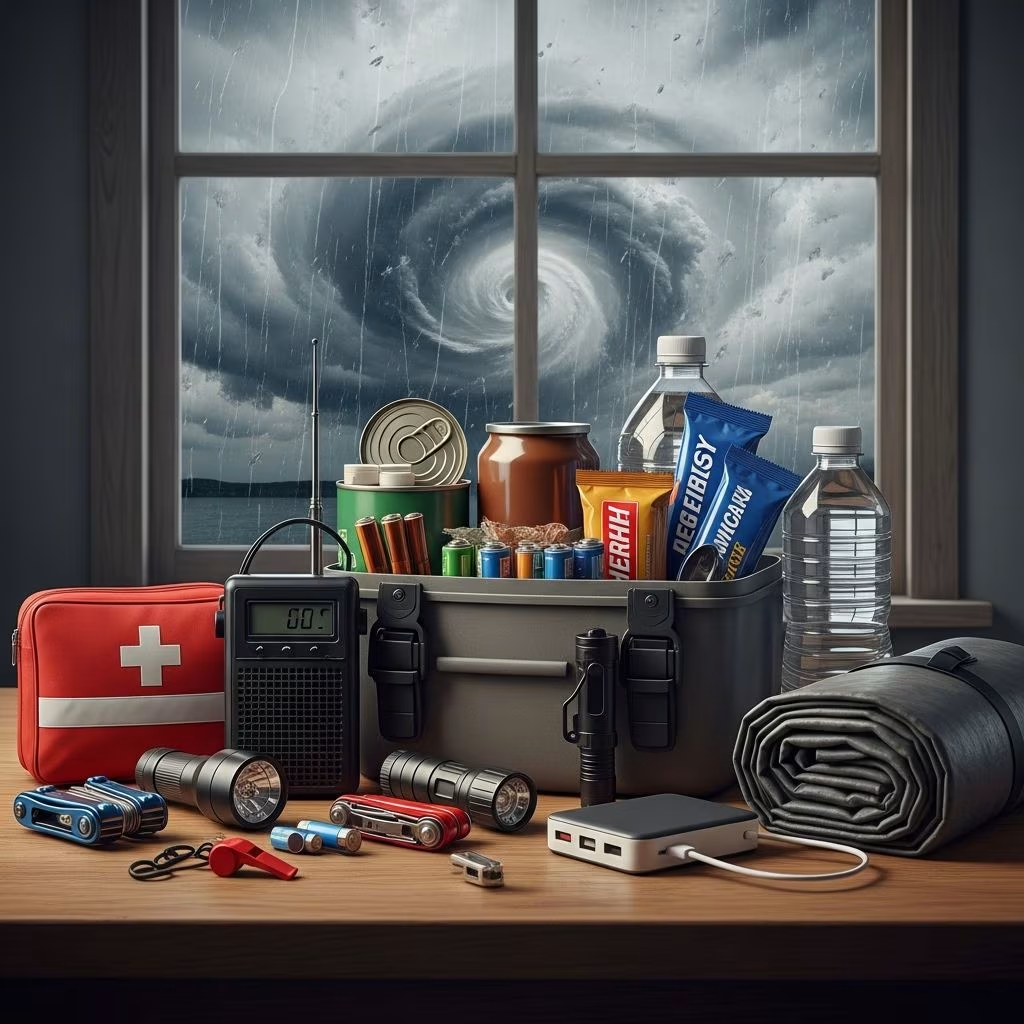
A robust emergency kit forms the backbone of hurricane readiness. Prioritize items addressing basic needs: air, water, food, shelter, and medical care. Aim for supplies sustaining you for at least 72 hours, as rescue may be delayed.
Evacuation may be necessary in high-risk zones. Prepare a lightweight go-bag for each household member, weighing under 20% of body weight for walkability. Keep one at home and another in your vehicle.
| Item Category | Recommended Items | Purpose |
|---|---|---|
| Identification | Copies of IDs, passports, insurance docs in waterproof pouch | Access services post-storm |
| Clothing & Protection | Change of clothes, rain gear, sturdy boots, emergency blanket | Maintain warmth and dryness |
| Navigation | Paper maps, compass | GPS failure backup |
| Fuel & Mobility | Full gas tank, cash in small bills | Ensure departure capability |
Maintain at least half a tank of gas year-round, as ‘half full is empty’ in crises. Practice evacuation routes to safe zones ahead of time.
If evacuation isn’t required, reinforce your home against wind and water. Use tarps, duct tape, and plywood for windows and leaks. Trash bags serve multiple roles: cleanup, waterproofing, or makeshift ponchos.
During the storm, stay indoors away from windows. Post-storm, avoid downed lines and floodwaters, which may contain contaminants.
Reliable info is lifesaving. A NOAA weather radio delivers official forecasts and alerts. Develop a social media plan for updates and family check-ins. Whistles and emergency beacons aid rescue signaling.
For travelers, monitor forecasts via apps and buy insurance covering evacuations or cancellations. Pack a portable survival kit with three days’ supplies if vacationing in prone areas.
Pets require dedicated kits with food, water, leashes, and records. Seniors and those with medical needs should stock extra oxygen, devices, and have neighbor check-ins planned. Children benefit from comfort items like toys alongside essentials.
Hotels present unique challenges: request interior rooms, stock bottled water, and join group chats for shared updates. Hydration remains critical in warm climates where power loss exacerbates heat.
The Atlantic season runs June 1 to November 30, with peak activity in September.
One gallon per person/pet per day for at least three days, plus purification methods.
Yes, consider policies with evacuation, weather, or cancel-for-any-reason coverage.
Evacuate if ordered, otherwise secure the room, stay hydrated, and monitor authorities.
Contact local emergency management or visit their website.
Beyond kits, invest in home fortifications like impact windows. Take free courses in first aid, CPR, and bleeding control. Community networks amplify safety—coordinate with neighbors for mutual aid.
Regularly review and rotate kit supplies to ensure usability. Mental preparedness counts: discuss scenarios with family to reduce panic.
