

 Travel Essentials
 Travel Essentials

Comprehensive Iceland travel guide covering Reykjavik, regional attractions, outdoor adventures, and practical travel planning for 2026.
 Travel Essentials
Iceland stands as one of the world’s most compelling destinations, where geological forces have sculpted landscapes that seem almost otherworldly. From thundering waterfalls to expansive glacial fields, from vibrant urban centers to remote wilderness areas, this Nordic island offers experiences that cater to virtually every type of traveler. Whether you seek adventure, cultural immersion, natural wonders, or relaxation, Iceland delivers in abundance.
To make the most of your Icelandic journey, it helps to understand how the country divides into distinct geographic areas, each with unique characteristics and attractions. The capital region serves as your primary entry point and cultural hub, while surrounding territories offer increasingly remote and dramatic experiences.
Reykjavik functions as Iceland’s urban anchor, combining modern Nordic design with genuine cultural vitality. The city’s compact size makes exploration straightforward—you can navigate much of it on foot while discovering independent galleries, contemporary restaurants, and lively neighborhoods. The architectural landscape blends contemporary structures with traditional houses, creating a distinctive visual character. Walking tours reveal everything from iconic religious landmarks to working harbor areas where you can observe authentic maritime activity.
The immediate surroundings of Reykjavik offer easy day-trip opportunities without requiring long travel times. Geothermal attractions define much of the region’s appeal, with soaking culture deeply embedded in Icelandic traditions. Various bathing venues range from famous facilities attracting international visitors to quieter, more intimate options preferred by locals.
Heading westward from the capital reveals landscapes of remarkable diversity. Distinctive peninsulas jut into the Atlantic, each displaying unique geological formations. One prominent peninsula showcases contrasting terrain—visitors encounter dramatic mountain formations, black pebble beaches, and charming coastal settlements within surprisingly short distances. Medieval heritage sites dot the region, while unusual water formations create natural attractions found nowhere else on the island.
The northwestern reaches present increasingly rugged coastlines and isolated communities. Towering sea cliffs host massive bird colonies, while waterfalls cascade from high cliff faces directly into the ocean. Remote beaches featuring distinctive colored sand provide stark beauty and solitude for those willing to venture further from established routes.
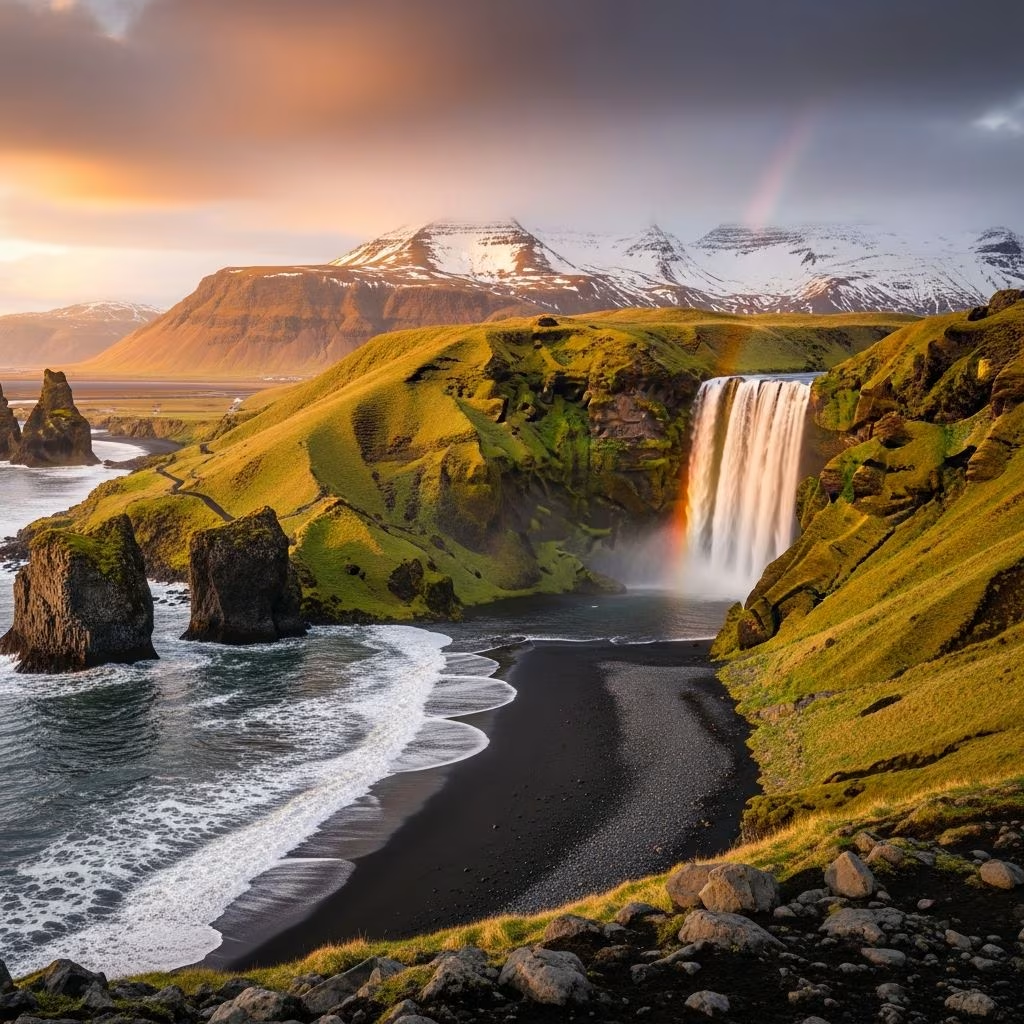
The southern coast concentrates many of Iceland’s most photographed natural features. Multiple waterfalls of varying sizes and characters line accessible routes, creating perfect stopping points for short walks or extended exploration. Black-sand beaches present an almost alien landscape, their dark coloring resulting from volcanic mineral composition. The region’s glaciers dominate the eastern portion, with substantial ice fields descending toward lower elevations.
This area’s accessibility makes it ideal for travelers with limited time or those preferring established infrastructure. National parks protect and showcase the region’s most spectacular natural features, with visitor facilities supporting various activity levels. Wildlife viewing opportunities abound, particularly for observing marine mammals and seabird species.
Moving eastward, the landscape transitions to remote fjord systems punctuated by small settlements. Artistic communities have established themselves in certain locations, creating unique cultural pockets within relatively isolated areas. The terrain becomes increasingly dramatic as you venture into rarely visited territories, with scenic driving routes revealing Iceland’s raw beauty.
Northern regions present a different character entirely. What the north lacks in accessibility, it compensates for with unique geological features and reduced tourist presence. Winter conditions in this area differ significantly from southern regions, offering distinct seasonal experiences and viewing opportunities unavailable elsewhere on the island.
Iceland’s reputation for outdoor experiences stems from its concentration of dramatic natural features. Waterfall exploration remains among the most popular activities, with numerous falls ranging from easily accessible roadside sites to remote destinations requiring substantial hiking effort. The variety means visitors of all fitness levels can experience these formations.
Glacier activities have expanded significantly, offering options from simple observation to advanced mountaineering. Specialized tour operators guide visitors onto ice fields, into blue ice caves, and across glacial terrain while managing inherent hazards. The experience of standing on ancient ice with panoramic views of surrounding landscapes remains unforgettable for most participants.
Geothermal bathing provides both relaxation and unique physical experiences. The country’s geothermal activity heats natural water sources, creating bathing venues in spectacular settings. The contrast of warm water against cool air while surrounded by dramatic landscapes appeals to visitors seeking both comfort and adventure.
Wildlife observation draws naturalists and photographers seeking encounters with marine mammals and bird species. Specific regions concentrate these viewing opportunities, with seasonal variations affecting what species visitors are likely to encounter. Professional guides enhance experiences by identifying species and explaining behavioral patterns.
Beyond natural attractions, Iceland’s cultural offerings deserve substantial attention. Museum experiences provide context for understanding Icelandic history, traditions, and contemporary society. Various institutions focus on different subjects—from prehistoric settlement through modern developments to contemporary art movements.
Harbor district exploration in Reykjavik reveals working maritime areas where fishing boats operate alongside tourist vessels and restaurants. The harbor preserves historic character while functioning as a genuine commercial port, providing authentic glimpses of how local communities interact with the sea.
Neighborhood wandering uncovers colorful residential areas, independent boutiques, and neighborhood cafés frequented by locals rather than tour groups. Each district maintains distinct character, and spending unstructured time walking residential streets provides cultural understanding that guided tours cannot replicate.
Your trip length should match your travel goals and expectations. A five-night minimum allows sampling of key attractions within proximity to the capital—typically the Golden Circle route and one additional region. This duration suits travelers with limited vacation time who prioritize must-see destinations over comprehensive exploration.
A week-long visit accommodates a complete circuit of primary attractions while permitting unhurried pacing and unplanned detours. This timeframe provides sufficient flexibility for weather-related adjustments and impulse explorations. Most travelers report this duration as ideal for balancing experience variety with reasonable vacation length.
Extended stays of 10-14 days enable circling the island’s perimeter, visiting remote territories, and spending adequate time in smaller communities. This duration transforms your experience from checking off attractions to genuinely understanding regional variations and Icelandic character. Extended stays particularly benefit those interested in specialized activities like intensive hiking or wildlife photography.
Self-driving remains the dominant exploration method, offering flexibility and spontaneity impossible with guided tours. Iceland’s road system, while limited compared to larger countries, concentrates on primary routes that access most major attractions. Navigation technology works reliably throughout most of the country, reducing navigation anxiety. Recent road tax implementation charges rental fees per kilometer traveled, introducing a pricing structure different from traditional flat rental rates. Modern fuel prices have declined relative to historical levels, partially offsetting the new taxation.
Campervan rentals provide accommodation and transportation simultaneously, appealing to budget-conscious travelers and those preferring flexibility in overnight locations. Legal restrictions require parking only in designated zones, so prior planning regarding campsite locations proves essential.
Tour-based exploration suits travelers preferring predetermined itineraries and professional interpretation. Shuttle services connect airports to urban centers, while organized day tours from Reykjavik access major attractions without self-driving requirements. This approach trades flexibility for convenience and expert knowledge.
Iceland’s seasonal variations dramatically affect available activities and environmental conditions. Winter months concentrate opportunities for viewing the Northern Lights, though daylight hours reduce significantly and weather unpredictability increases. Specialized winter activities like ice cave exploration and dog sledding appeal to cold-weather enthusiasts. Conversely, summer brings nearly continuous daylight, comfortable temperatures, and accessibility to remote areas that become impassable during winter months.
Spring and autumn present moderate conditions and decreased tourist congestion compared to peak summer season. These shoulder seasons often provide optimal combinations of good weather, manageable crowds, and complete access to attractions.
| Destination | Primary Features | Best For | Time Required |
|---|---|---|---|
| Golden Circle Route | Geothermal areas, tectonic parks, waterfalls | First-time visitors, limited time | Full day |
| South Coast | Waterfalls, glaciers, black-sand beaches | Photography, outdoor adventures | 2-3 days |
| Glacier Regions | Ice fields, calving lagoons, blue ice caves | Adventure seekers, photography | 1-2 days |
| Western Peninsula | Mountain formations, coastal paths, villages | Scenic driving, hiking, culture | 2 days |
| Northern Areas | Waterfalls, geothermal lakes, remote terrain | Solitude seekers, specialized interests | 2-3 days |
| Eastern Fjords | Artistic communities, dramatic coastlines | Cultural experiences, quieter exploration | 2 days |
Iceland’s concentrated road network simplifies navigation despite the island’s size. Primary routes connect major settlements and attractions, while secondary roads lead to more isolated destinations. Cell phone coverage extends across inhabited areas, making GPS navigation and communication reliable for most travelers.
Domestic air travel connects distant regions but remains unnecessary for most visitors focused on southern and western territories. International airports handle regular connections to European cities and North American hubs, with most visitors arriving in Reykjavik.
Lodging options span from luxury facilities to budget hostels, with substantial mid-range availability. Guesthouses offer personal hospitality and local insights, while hotels provide expected services and amenities. Campsites support both tent camping and campervan parking, though advance planning ensures securing desired locations.
Reykjavik’s dining scene ranges from casual establishments to acclaimed restaurants featuring innovative cuisine. Regional towns offer basic amenities, so advance meal planning proves wise for remote area exploration. Local seafood features prominently in Icelandic cuisine, reflecting the country’s maritime heritage.
Summer (June-August) offers long daylight hours and generally pleasant weather, making it ideal for Northern Hemisphere visitors seeking outdoor exploration. Winter (December-February) concentrates Northern Lights viewing opportunities but involves cold temperatures and limited daylight. Shoulder seasons (May and September-October) provide moderate weather and fewer tourists than peak summer.
Budget ranges vary dramatically based on accommodation choices, dining preferences, and activity selections. Budget-conscious travelers might spend $80-120 daily, while mid-range travelers typically allocate $150-250 daily. Luxury travel easily exceeds $300 daily. Activities, vehicle rental, and fuel constitute major expenses beyond accommodation.
Self-driving suits most visitors comfortable with driving and navigation. Iceland’s limited road network and reliable GPS support make independent driving less daunting than in larger countries. However, some prefer guided tours for convenience and expert interpretation. Both approaches work well depending on personal preferences.
Northern Lights viewing occurs during winter months (September-March) when darkness extends. Clear skies, minimal light pollution, and patience remain essential for successful viewing. While not guaranteed, Iceland’s latitude and winter conditions create favorable viewing conditions compared to many Northern Hemisphere locations.
Iceland accommodates varied fitness levels through its activity diversity. Waterfall viewing, geothermal bathing, and scenic drives require minimal physical exertion. Glacier hiking, extended waterfall treks, and mountaineering demand substantial fitness. Professional guides can scale activities to match participant capabilities.
Iceland rewards travelers willing to embrace its dramatic landscapes and unique character. Whether you pursue adventure through glacier exploration and hiking or cultural enrichment through museum visits and neighborhood exploration, Iceland delivers memorable experiences. Successful visits combine realistic expectations, flexible planning that accommodates weather variability, and openness to unplanned discoveries that characterize the best travel experiences.
