

 Travel Essentials
 Travel Essentials

Comprehensive safety guide for travelers visiting Iceland during volcanic activity, covering preparation, monitoring, gear, and official protocols.
 Travel Essentials
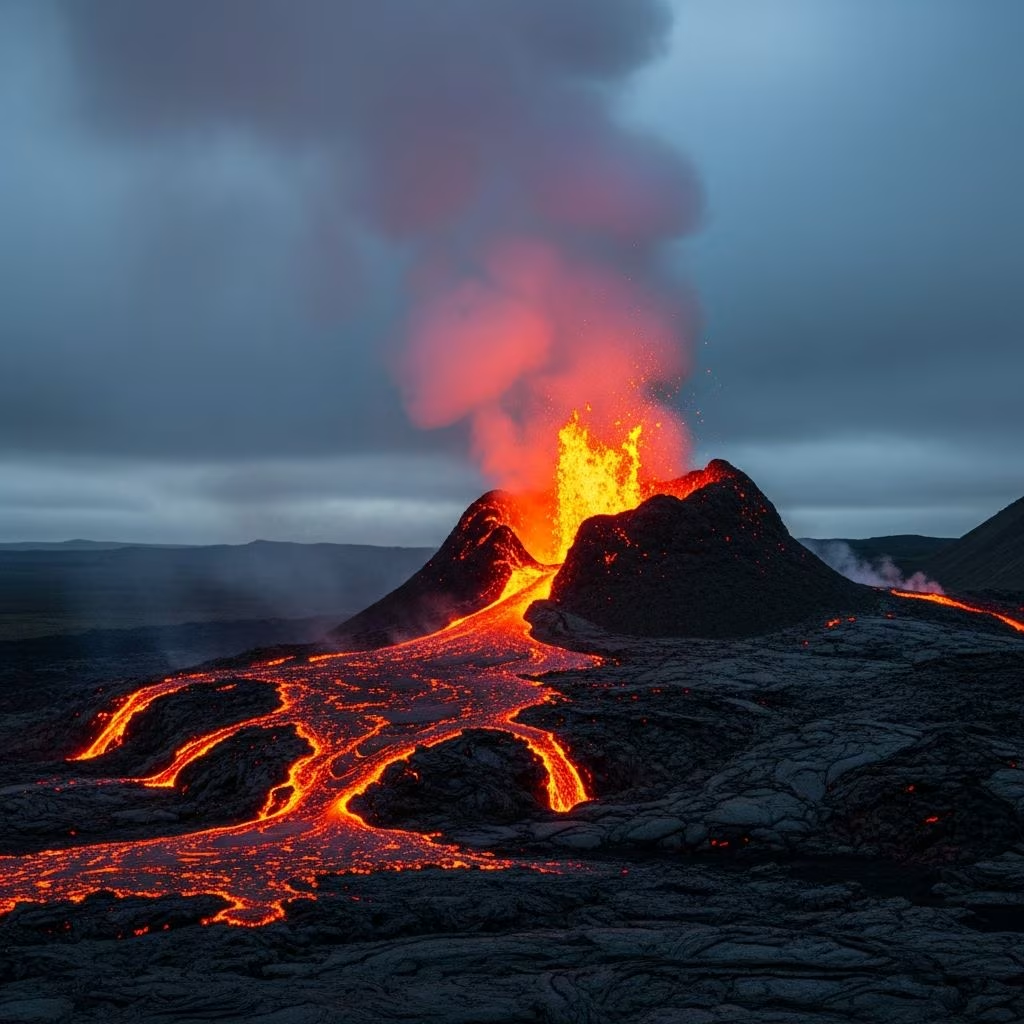
Iceland’s dramatic volcanic landscape represents one of Earth’s most awe-inspiring natural phenomena. The island sits atop the Mid-Atlantic Ridge, where tectonic plates create a dynamic environment of geysers, hot springs, and active eruptions. For travelers seeking to witness this raw geological power, understanding how to navigate volcanic regions safely is paramount. While Iceland’s eruptions are inherently unpredictable natural events, the country’s sophisticated monitoring systems and established safety infrastructure make it possible to experience volcanic sites with minimal risk when visitors adhere to official guidance and respect designated boundaries.
Iceland operates one of the world’s most advanced volcanic monitoring systems, enabling scientists to detect and analyze seismic activity long before eruptions occur. The Icelandic Meteorological Office and Department of Civil Protection and Emergency Management continuously track geological changes, often providing advance notice of volcanic events by several days to weeks. This scientific infrastructure represents a critical advantage for travelers, as authorities can issue timely warnings and establish appropriate safety zones before dangerous conditions develop.
The monitoring network relies on seismic sensors, GPS measurements, and gas analysis equipment distributed throughout volcanic regions. When these instruments detect unusual activity, emergency management teams activate coordinated response protocols. This systematic approach has proven effective at protecting both residents and visitors, with authorities maintaining real-time awareness of eruption potential and volcanic gas emissions.
For travelers planning volcanic visits, accessing official information is straightforward. Safetravel.is serves as Iceland’s primary platform for current volcanic conditions, road closures, and emergency alerts. The associated mobile application provides GPS tracking capabilities that allow hikers to share their location directly with emergency services, creating an additional safety net for those exploring remote volcanic terrain.
Successful volcanic site visits begin weeks before arrival in Iceland. Thorough preparation transforms what might otherwise be risky adventures into manageable experiences with predictable safety outcomes. This preparation encompasses route planning, weather research, equipment selection, and familiarity with local regulations.
Research and Route Planning
Begin by identifying specific volcanic sites matching your experience level and physical capabilities. Iceland offers diverse volcanic experiences ranging from gentle walks across ancient lava fields to strenuous hikes to active eruption viewpoints. Understanding trail difficulty, estimated duration, and required skills allows realistic assessment of your capabilities. Current trail conditions fluctuate based on weather, ash coverage, and volcanic activity, making it essential to consult updated resources immediately before departure rather than relying on information gathered months earlier.
Equipment and Clothing Considerations
Iceland’s unpredictable climate demands strategic layering rather than reliance on single heavy garments. The weather can transition rapidly from clear skies to precipitation, wind, or fog regardless of season. Essential clothing includes:
Beyond clothing, volcanic terrain demands specific equipment. Sturdy hiking boots with excellent grip are essential, as sharp lava rocks can damage inadequate footwear and cause serious injury. Walking poles help maintain balance on uneven terrain and reduce joint strain during descent. In winter conditions, crampons become invaluable for icy sections of trails.
Emergency Communication and Safety Devices
A fully charged mobile phone with emergency contact numbers preprogrammed is non-negotiable for any volcano visit. GPS functionality allows precise location sharing with rescue services if needed. Consider carrying a portable battery pack to maintain charge during extended hikes. If undertaking self-guided exploration, register your travel plan with safetravel.is or inform a trusted contact of your intended route, expected departure and return times, and emergency contact procedures. Trip-monitoring services available through official channels provide additional assurance that help can reach you if circumstances require assistance.
Arriving at a volcanic site introduces immediate decisions that directly impact personal safety. Understanding and respecting authority-established boundaries separates responsible adventure from reckless risk-taking.
Designated Paths, Overlooks, and Exclusion Zones
Authorities establish marked trails and viewing areas based on geological assessment of hazard zones. Remaining on designated paths is not a suggestion but a critical safety requirement. Areas closed to public access represent authorities’ determination that invisible dangers exceed acceptable risk levels. These invisible hazards include unstable ground prone to sudden collapse, toxic volcanic gases, and unstable new lava that can breach without warning, exposing extremely hot material beneath the surface.
Walking on new lava presents particular danger. While the surface may appear solid, the thin crust frequently collapses under human weight, potentially causing severe burns or falls to hidden hot sections below. Respecting roadblocks and staying in designated safe zones is not overcautious but rather recognition of genuine hazards visible only to trained geologists.
Air Quality and Respiratory Considerations
Volcanic eruptions release sulfur dioxide, hydrogen sulfide, and other irritant gases that can cause respiratory discomfort. Travelers with existing respiratory conditions, asthma, or cardiovascular disease should exercise particular caution around eruption sites, as gas pollution may exacerbate symptoms. Before visiting active sites, check current air quality reports and follow any health advisories issued by local authorities. Those with respiratory vulnerability should limit outdoor exposure if symptoms develop and consider whether the eruption site visit aligns with their health needs.
Volcanic site visits offer two primary approaches: organized tours led by licensed professionals or self-directed hiking. Each presents distinct advantages and considerations.
Professional Guided Tour Advantages
Licensed guides operating under Icelandic law must maintain detailed safety plans and demonstrate expertise in volcanic hazards. Professional guides provide several benefits beyond simple route guidance. They possess current knowledge of trail conditions, understand volcanic geology and hazard identification, and carry communication equipment to coordinate with emergency services if needed. Guides help visitors recognize potential dangers invisible to untrained observers and provide context explaining geological features and volcanic processes. For most visitors, particularly those with limited volcano experience or unfamiliarity with Icelandic conditions, guided tours represent the optimal balance of safety and experience quality.
Self-Guided Exploration Requirements
Visitors choosing self-guided exploration assume greater responsibility for safety planning. This approach demands thorough pre-trip research, meticulous trail preparation, and unwavering commitment to respecting all marked boundaries and safety signs. Self-guided visitors must register travel plans with emergency services, carry all required safety equipment, and maintain constant awareness of weather and trail conditions. This approach suits experienced hikers with substantial background in wilderness navigation and volcanic terrain familiarity. Regardless of approach, informing someone trustworthy of your intended route and expected return time is essential, as this enables rescue coordination if circumstances require assistance.
Recent volcanic activity in Iceland, particularly in the Reykjanes Peninsula region, demonstrates how modern management handles ongoing eruptions alongside tourism operations.
Localized Activity with Limited Tourism Impact
Current eruptions occur in remote areas far from major tourist attractions, meaning most visitors can continue planned itineraries without significant disruption. Major destinations including Thingvellir National Park, Gullfoss waterfall, and Skógafoss remain fully accessible, with routes to these sites experiencing no impact from volcanic activity. However, some nearby attractions may experience temporary closures for safety monitoring and assessment purposes.
Air Traffic and General Travel
Iceland’s international air traffic continues operating normally, and the country remains an open, safe destination for tourists. While ash emissions represent a consideration, they typically remain localized to eruption vicinity and do not affect airport operations or general travel logistics. Travelers should check current conditions before arrival but can generally proceed with planned trips with minimal concern about volcanic disruption to standard tourism activities.
| Category | Essential Items | Purpose |
|---|---|---|
| Clothing | Layered system, waterproof shell, hat, gloves, heavy socks | Protection against unpredictable weather conditions |
| Footwear | Sturdy hiking boots, crampons (if winter) | Secure footing on uneven, sharp lava terrain |
| Safety Gear | Fully charged mobile phone with GPS, first aid kit, walking poles | Emergency communication and injury response |
| Sustenance | High-energy snacks, plenty of water | Maintaining energy and hydration during physically demanding hikes |
| Documentation | Travel plan registration, emergency contact numbers, insurance details | Emergency coordination and assistance |
| Accessories | Camera with charged batteries, storage space, sunscreen | Documentation and personal protection |
Iceland’s weather can shift rapidly without warning. If conditions worsen significantly, turn back immediately rather than pushing forward. Continuing during deteriorating visibility or extreme wind increases accident risk substantially. Authorities design routes with turnaround points where visitors can safely retreat if conditions become challenging. Reaching a summit or destination matters far less than returning safely.
Check air quality reports before visiting eruption sites, particularly if you have respiratory sensitivity. Official air quality monitoring provides current conditions specific to different regions. If you experience respiratory discomfort or symptoms like coughing or throat irritation, leave the area immediately and seek fresh air away from the eruption site. Those with asthma or heart conditions should consult healthcare providers before volcanic site visits.
Yes, Iceland remains completely safe for visitors during active eruptions, provided travelers follow official guidance and respect established boundaries. The country’s advanced monitoring systems, coordinated emergency management, and designated viewing areas allow safe observation of volcanic phenomena. The key requirement is respecting authority-established safety zones and avoiding unauthorized areas.
Use your mobile phone to contact emergency services (112 in Iceland), providing your precise location if possible. If you’ve registered your travel plan through safetravel.is, emergency services can locate you via GPS tracking. Remaining calm and staying in one location aids rescue coordination. This scenario emphasizes why informing someone of your planned route and expected return time is absolutely essential.
Iceland’s volcanic environment represents a privileged opportunity to witness geological processes fundamental to understanding our planet. Experiencing these natural wonders responsibly requires acknowledging that volcanic eruptions, while manageable through modern safety systems, remain fundamentally powerful natural phenomena demanding respect and careful planning.
Successful volcanic visits combine thorough pre-trip preparation, appropriate equipment selection, commitment to following official safety guidance, and realistic assessment of personal capabilities. Whether exploring with professional guides or undertaking self-guided adventures, visitors who approach volcanic sites with appropriate caution and respect for established protocols can safely experience Iceland’s most dramatic natural features while creating unforgettable memories of geological wonder.
