

 Travel Essentials
 Travel Essentials

Uncover the secrets of Iguana Island in Exuma, Bahamas: meet rare rock iguanas, plan your boat tour, and experience unforgettable wildlife encounters amid turquoise waters.
 Travel Essentials
Hidden among the Exuma Cays, Iguana Island offers a rare glimpse into the world of the endangered Bahamian rock iguana. This tiny, uninhabited speck of land draws adventurers eager for close encounters with these ancient reptiles in their natural habitat.
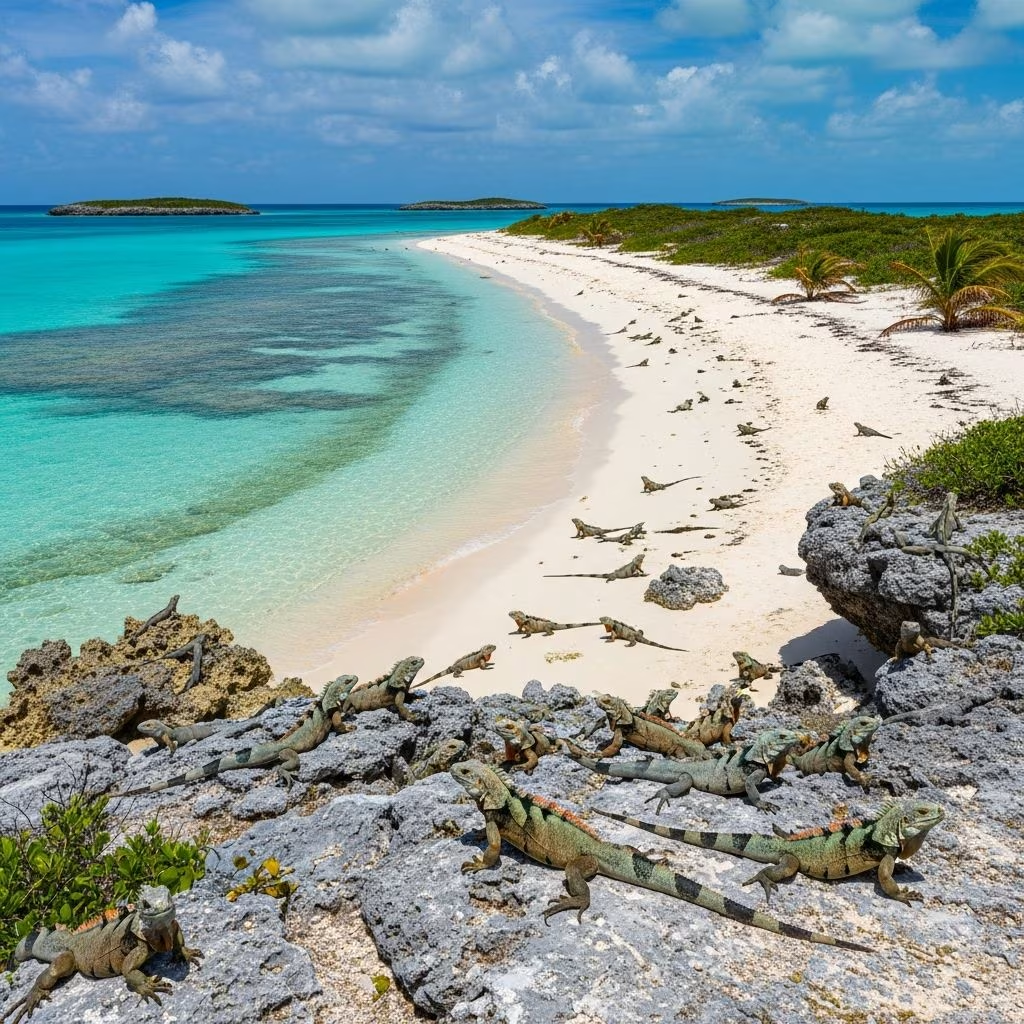
Exuma’s chain of over 365 cays stretches across crystal-clear waters, but few spots captivate like Iguana Island, also known as Leaf Cay or Bitter Guana Cay. These iguanas, unique to the Bahamas, have roamed these islands for thousands of years, evolving in isolation without natural predators on their cay. Visitors arrive by boat to find dozens of these prehistoric-looking creatures emerging from scrub brush, their scaly bodies and spiky crests evoking dinosaurs come to life.
The island’s pristine white sands and surrounding turquoise shallows create a postcard-perfect backdrop. Unlike crowded tourist beaches, this protected site emphasizes wildlife observation, making it ideal for photographers, nature enthusiasts, and families seeking something beyond typical sunbathing.
The stars of the show are the **Bahamian rock iguanas** (*Cyclura cychlura*), an endangered species found only in the northern Exumas. Adults can grow up to 1.5 meters long, with males boasting vibrant hues during breeding season. They bask on rocks and beaches to regulate body temperature, a behavior visitors witness upon arrival.
These iguanas’ adaptation to visitors has made interactions possible without stress to the animals, provided rules are followed.
Reaching Iguana Island requires boat access, as no bridges or roads connect it. Most trips originate from Staniel Cay, just minutes away by water, or Great Exuma. From Nassau, combine a 35-minute flight to Staniel Cay with a boat charter for efficiency.
| Starting Point | Travel Time | Best Option |
|---|---|---|
| Staniel Cay | 10-15 minutes by boat | Local tours or private charters |
| Great Exuma | 2-3 hours by boat | Full-day excursions |
| Nassau | 35-min flight + boat | Combo packages |
Tours often bundle Iguana Island with highlights like swimming pigs at Pig Beach, Thunderball Grotto snorkeling, and nurse shark encounters, creating a full-day adventure.
Reserve in advance, especially during peak season. Local operators from Staniel Cay offer half-day or full-day options starting at $200 per person, including gear and snacks. Private charters provide flexibility for groups. Look for eco-conscious providers who emphasize minimal impact.
The **dry season from December to May** delivers calm seas, mild temperatures (75-85°F), and active iguanas. Mornings are prime: cooler weather energizes the reptiles, and lighting flatters photos. Avoid June to November’s hurricane risk and higher humidity.
As your boat anchors in shallow turquoise waters, iguanas sense visitors and shuffle beachward, tails dragging. Spend 20-60 minutes observing: guides hand out approved foods like chopped veggies or grapes. Watch social dynamics—juveniles dart for scraps while elders claim prime spots.
Snorkel nearby reefs if time allows, spotting colorful fish amid coral heads. The cay’s compact size keeps exploration easy on foot, though sticking to the beach preserves vegetation.
Despite their imposing size, these iguanas pose no threat to respectful visitors. They approach for food, not aggression, but maintain distance to avoid bites during feeding frenzies.
Guides ensure safe protocols, prioritizing animal welfare.
Elevate your trip by island-hopping. A sample itinerary:
This route maximizes Exuma’s biodiversity in one day.
Travel light for boat ease:
Bring reusable water bottles; most tours provide snacks but not meals.
Bahamian rock iguanas face threats from invasive species, climate change, and past hunting, though populations on protected cays like this one are stable. Visitors support conservation via tour fees funding monitoring programs. Organizations like the Bahamas National Trust advocate for habitat preservation, urging eco-tourism over exploitation.
Your visit contributes if you follow ‘leave no trace’ principles: no litter, respectful distances, and approved feeding only.
Travelers rave about the ‘surreal’ moment iguanas swarm the beach, creating Instagram-worthy scenes without staging. Families note it’s educational for kids learning about endangered species, while couples enjoy the romantic, secluded vibe. One visitor described it as ‘like Jurassic Park, but real and safe.’
No, they are habituated to humans and non-aggressive if not provoked. Follow guides to avoid nips.
Typically 20-45 minutes, enough for photos and feeding.
Possible with private boat rental from Staniel Cay, but tours are recommended for navigation and info.
They don’t enter water; interactions are beach-based.
Tours cancel for safety; reschedule flexibly.
In a country famed for pink sands and luxury resorts, Iguana Island delivers raw, untamed nature. It’s a reminder of the Bahamas’ wild side, where endangered wildlife thrives amid paradise. Whether part of a multi-island hop or a dedicated outing, this cay creates lasting memories of curiosity met with ancient eyes gazing from the shore.
