


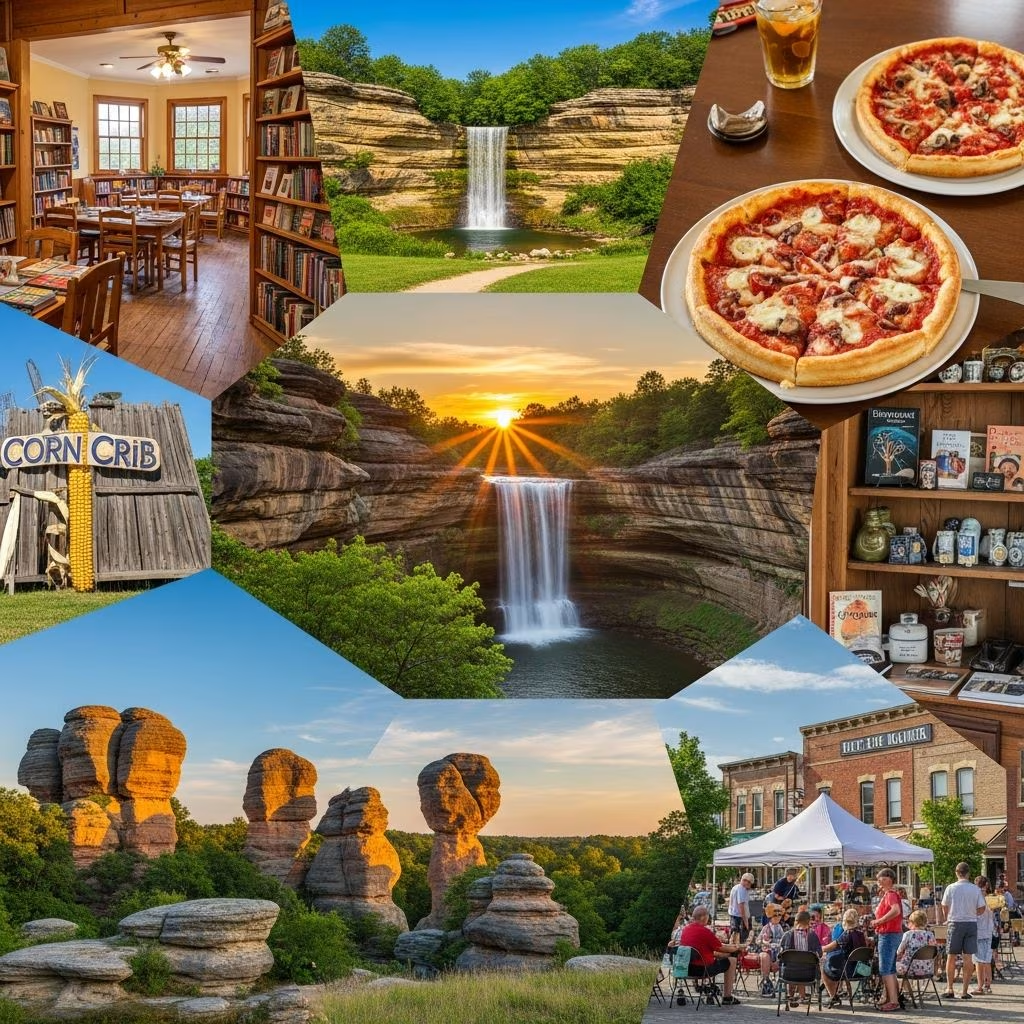
Illinois stands as a remarkable destination that seamlessly blends urban sophistication with authentic Americana and natural splendor. While Chicago dominates the state’s international recognition, the broader Illinois landscape presents an equally compelling tapestry of experiences for discerning travelers seeking diverse adventures. From architectural marvels to historically significant sites, from wine country to ancient indigenous heritage, Illinois offers something extraordinary for every visitor profile and travel style.
The Urban Powerhouse: Navigating Chicago’s Dynamic Scene
Chicago serves as Illinois’ primary gateway and undeniably its most celebrated urban center. As the nation’s third-largest metropolitan area, this Lake Michigan metropolis consistently ranks among America’s most visited cities, attracting millions of international and domestic travelers annually. The city pulses with creative energy, architectural innovation, culinary excellence, and cultural institutions that rival any global destination.
Cultural Institutions and Artistic Landmarks
Chicago’s reputation as a cultural beacon rests firmly on its world-renowned museums and public art installations. The Art Institute of Chicago houses one of North America’s most comprehensive collections spanning ancient civilizations through contemporary works. Millennium Park has transformed into a gathering place where locals and visitors alike commune with iconic public sculptures and architectural features that define modern urban design. These institutions provide intellectual enrichment and Instagram-worthy moments in equal measure.
The Adler Planetarium extends cosmic exploration opportunities, offering visitors immersive experiences that illuminate the universe’s mysteries. Navy Pier extends 3,300 feet into Lake Michigan, functioning as an entertainment complex that combines dining, shopping, and recreational activities with stunning waterfront views.
Recreational Opportunities and Outdoor Spaces
Beyond museums, Chicago’s recreational landscape invites active engagement. Wrigley Field remains America’s second-oldest baseball stadium, steeped in over a century of sporting tradition and neighborhood character. Soldier Field hosts professional football and serves as an architectural landmark combining modern amenities with classical design elements. Six Flags America provides amusement park thrills for families seeking entertainment beyond cultural venues.
Presidential Heritage and Historical Authenticity
Springfield, Illinois’ capital, represents the nation’s presidential connection through Abraham Lincoln’s remarkable life trajectory. As the city where Lincoln practiced law, served in the state legislature, and developed his political philosophy before ascending to the presidency, Springfield functions as an essential pilgrimage site for history enthusiasts and students of American democracy. The cityscape preserves multiple Lincoln-affiliated locations that provide tangible connections to one of history’s most consequential figures.
Beyond Lincoln’s personal legacy, Illinois contains numerous archaeological sites illuminating pre-Columbian civilizations. The Kincaid Mounds Archaeological Site near Brookport offers insights into ancient Mississippian culture and indigenous settlement patterns. The John Hauberg Indian Museum in Rock Island documents the Illiniwek Indians and Miami tribe heritage that predates European colonization by centuries. These sites acknowledge that Illinois’ human history extends far deeper than European settlement narratives.
Rural Landscapes and Wine Country Explorations
Illinois’ western regions surprise visitors expecting agricultural monotony with genuine scenic charm and agricultural sophistication. Great Rivers Country encompasses the valleys where the Mississippi and Illinois rivers converge, creating dramatic landscape formations and establishing conditions for wine production. The Heartland Rivers Wine Trail introduces oenophiles to regional wineries producing distinctive wines benefiting from favorable soil conditions and climate patterns.
Towns like Elsah exemplify old-world charm preserved within contemporary contexts. These communities maintain architectural authenticity, pedestrian-friendly streetscapes, and local economies centered around hospitality and cultural tourism. Visitors seeking escape from metropolitan intensity discover these small towns offer genuine restoration and connection to place.
Adventure and Outdoor Recreation Zones
Southern Illinois’ Shawnee National Forest encompasses 289,000 acres of protected wilderness providing adventure sport opportunities including rock climbing, hiking, and scenic overlook experiences. The forest’s terrain ranges from sandstone bluffs to river valleys, supporting diverse ecosystems and recreational possibilities. For travelers seeking physical challenge combined with natural beauty, this region delivers memorable experiences.
Regional Characteristics and Travel Planning Considerations
| Region | Primary Attractions | Best For | Typical Duration |
|---|---|---|---|
| Chicago Metropolitan Area | Museums, lakefront, architecture, sports venues | Urban explorers, culture enthusiasts, families | 3-5 days |
| Central Illinois (Springfield) | Historical sites, Lincoln heritage, state capitol | History buffs, educational travelers | 2-3 days |
| Western Rivers Country | Wine trails, scenic byways, small towns | Couples, food and wine enthusiasts | 2-4 days |
| Southern Illinois | Shawnee National Forest, adventure sports | Outdoor adventurers, hikers, climbers | 2-3 days |
Cultural Heritage and Indigenous Legacy
Illinois’ name derives from the Illiniwek Indians, one of two major Native American nations inhabiting the region before European contact in the 1600s. The Miami tribe shared these lands, developing sophisticated societies attuned to river systems, forest resources, and agricultural practices. Contemporary Illinois tourism increasingly acknowledges this foundational history rather than omitting it entirely.
Visitors interested in pre-Columbian North American civilizations benefit from visiting archaeological sites that preserve evidence of these cultures. Mississippian cultures flourished in the Mississippi River valley, constructing ceremonial mounds and establishing trade networks spanning vast continental distances. These physical remains represent surviving testimony to civilizations that predated European colonization by centuries.
Seasonal Travel Patterns and Weather Considerations
Illinois experiences distinct seasonal variations affecting travel experiences and planning decisions. Summer brings warm temperatures ideal for lakefront activities, outdoor recreation, and wine trail exploration. Fall transforms landscapes with vibrant foliage while providing comfortable temperatures for hiking and outdoor adventures. Winter transforms Chicago and Illinois into winter-sports destinations, though snow and cold temperatures affect rural area accessibility.
Spring represents another excellent travel window, with moderate temperatures, blooming flora, and diminished crowds compared to summer peak season. Travelers prioritizing comfortable weather and smaller crowds should consider shoulder seasons over peak summer months.
Practical Guidance for Multi-Regional Itineraries
Comprehensive Illinois travel experiences benefit from multi-regional approaches combining different destinations and activity types. A well-planned itinerary might allocate substantial time to Chicago’s urban attractions while incorporating day trips or overnight excursions to Springfield’s historical sites and southern Illinois’ natural features.
- Begin with Chicago’s major museums and cultural attractions, requiring 2-3 dedicated days for thorough exploration
- Travel to Springfield for 1-2 days focused on Lincoln heritage and historical interpretation
- Venture westward to Great Rivers Country for wine tasting and small-town exploration, allocating 2 days
- Consider southern Illinois’ Shawnee National Forest for outdoor recreation enthusiasts with 1-2 days for activities
Food and Culinary Experiences
Illinois’ food culture reflects diverse immigrant communities that established neighborhoods and culinary traditions spanning generations. Chicago particularly celebrates culinary innovation, maintaining Michelin-starred restaurants alongside legendary deep-dish pizza establishments. Regional specialties include Italian beef sandwiches, Chicago-style hot dogs, and craft brewery cultures that have flourished throughout the state.
Wine country regions incorporate local food traditions with wine education, creating integrated experiences where regional cuisine pairs with wine productions. Farm-to-table movements have gained traction in rural areas and smaller cities, emphasizing locally sourced ingredients and sustainable agricultural practices.
Accommodation Strategies and Visitor Logistics
Chicago’s accommodation landscape ranges from luxury five-star properties to budget-friendly hotels and vacation rental options suitable for diverse financial parameters. Booking during off-peak seasons typically yields better rates and reduced crowds compared to peak summer tourism. Springfield and smaller regional cities offer more intimate accommodations including bed-and-breakfasts and historic inns that enhance destination immersion.
Transportation infrastructure facilitates multi-regional exploration through rental vehicles, public transit systems, and regional transportation services. Chicago’s public transportation system (CTA) efficiently connects major attractions, reducing vehicular dependency and parking complications within the city.
Frequently Asked Questions About Illinois Travel
What represents Illinois’ most visited destination?
Chicago attracts the overwhelming majority of Illinois visitors, with attractions like Millennium Park, Navy Pier, and numerous museums drawing international tourism. The city functions as the state’s primary entry point for most travelers.
When represents the optimal season for Illinois travel?
Late spring and early autumn provide comfortable weather and smaller crowds compared to peak summer season. Winter appeals specifically to travelers seeking snow-sports experiences or holiday attractions.
How extensively should travelers explore beyond Chicago?
Regional diversity justifies allocating 30-50% of total Illinois travel time to destinations beyond Chicago, particularly for those interested in history, nature, or wine experiences. Multi-regional itineraries create more comprehensive state understanding.
What accessibility considerations should travelers note?
Chicago maintains robust accessibility infrastructure with wheelchair-friendly transportation and museum accommodations. Rural regions present variable accessibility standards, requiring advance research for travelers with specific needs.
Are there budget-friendly Illinois travel options?
Free and low-cost attractions include Millennium Park, many museum free-admission hours, and outdoor recreation areas. Small-town exploration typically requires lower expenditure compared to Chicago tourism.
Emerging Trends and Evolving Travel Experiences
Contemporary Illinois tourism increasingly emphasizes experiential travel, sustainability practices, and authentic cultural engagement rather than passive sightseeing. Farm tourism, craft beverage experiences, and heritage preservation initiatives attract travelers seeking meaningful connections to places and communities. Adventure tourism in southern regions continues expanding, appealing to younger demographic segments valuing outdoor recreation and challenge-based experiences.
Illinois travel represents more than Chicago-centric itineraries, instead offering regionally diverse experiences satisfying varied interests and travel styles. Whether pursuing cultural enrichment, historical understanding, natural exploration, or culinary adventure, Illinois delivers distinctive experiences reflecting the state’s genuine complexity and character.
References
- 2026 Travel Guide for Illinois, United States of America — Expedia. 2026. https://www.expedia.com/Illinois.dx215

